The Crypt Of San Nicola Bari: Where The Relics Rest
The crypt under the Basilica di San Nicola in Bari holds the relics of Saint Nicholas, brought from Myra in 1087. This page collects what the sources actually say about hours, access, the story of the translation and what to combine with a visit.
Short answer
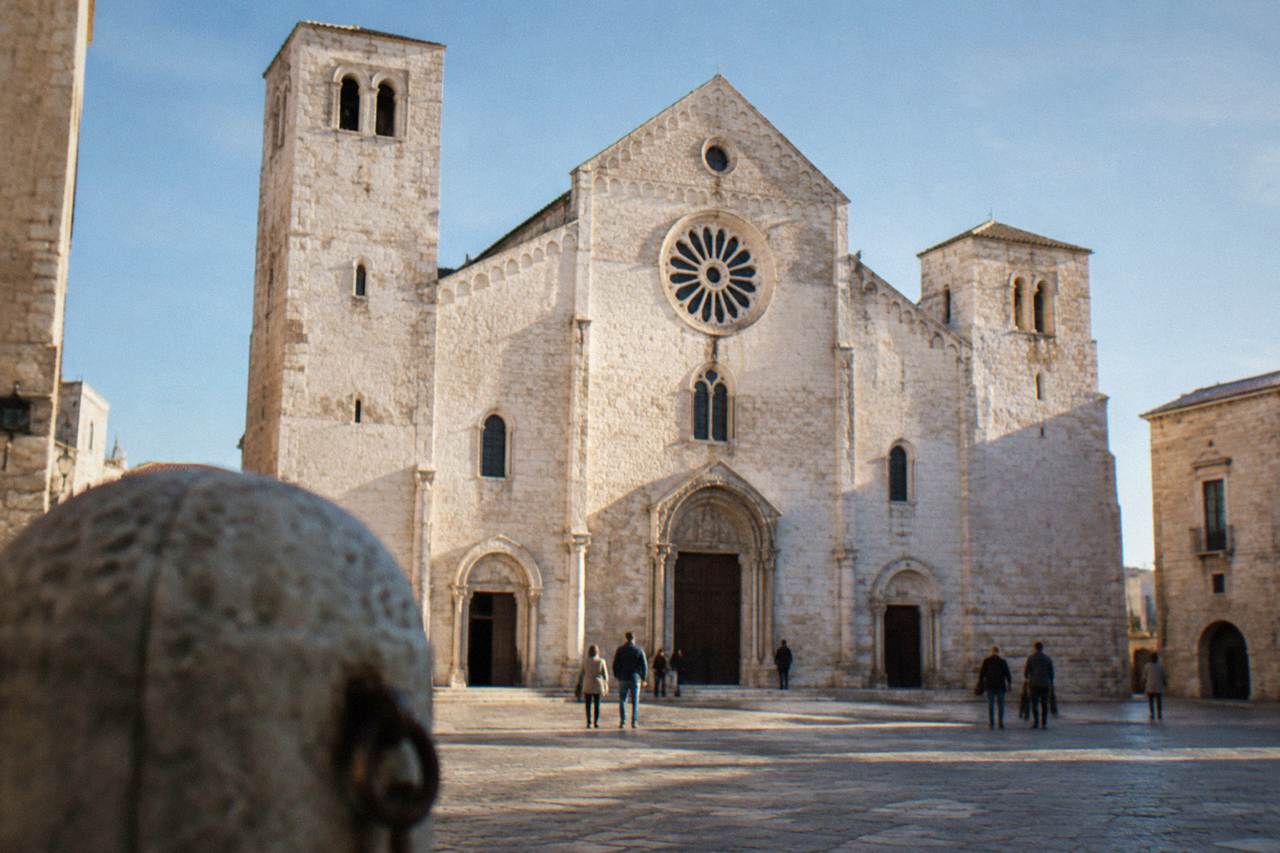
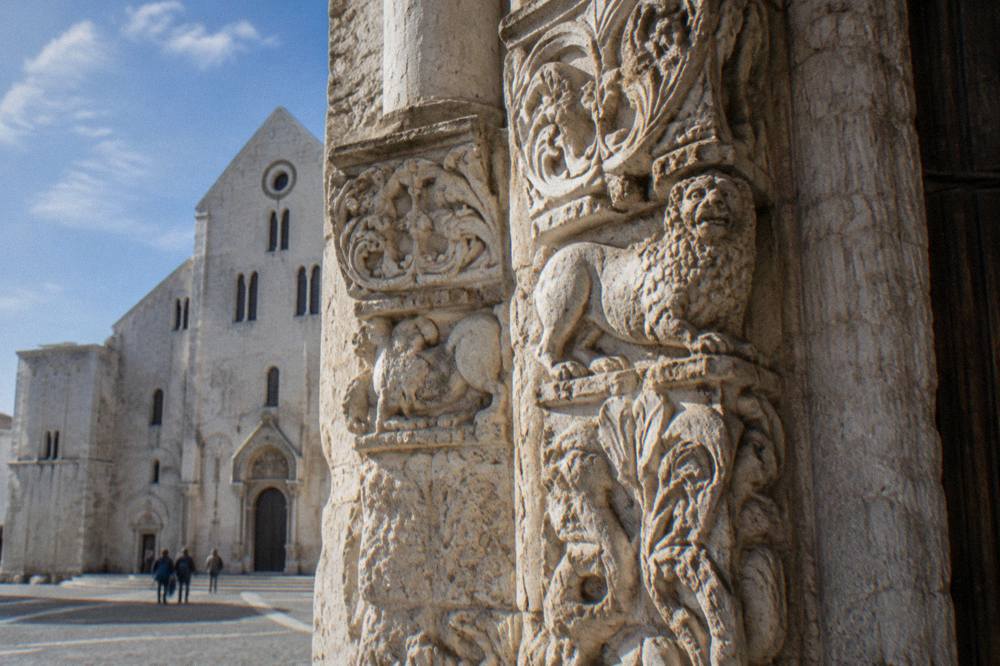
The crypt of San Nicola sits under the Basilica di San Nicola in Bari Vecchia. The basilica page lists Monday to Saturday 06:30 to 20:30 and Sunday 06:30 to 22:00, with no admission fee mentioned, and the relics were placed in the crypt in 1089.
Bari, the capital of Puglia on the Adriatic coast of southern Italy, keeps its most famous visitor draw not at street level but underneath it. The crypt of San Nicola lies beneath the Basilica di San Nicola in Bari Vecchia, the old town on the headland beside the old port, and it holds the relics of Saint Nicholas, carried here by sailors from Myra in 1087 and placed in the crypt in 1089. Pilgrims, both Catholic and Orthodox, have been coming down those steps for centuries, and the basilica's own pages are the best source for what a visit today involves. This guide from the Bari Italy Travel Guide collects what the primary sources say, corrects a few figures that float around older pages, and sets the crypt in the context of a city that rewards a second and third day.
Where Exactly Is The Crypt Of San Nicola In Bari?
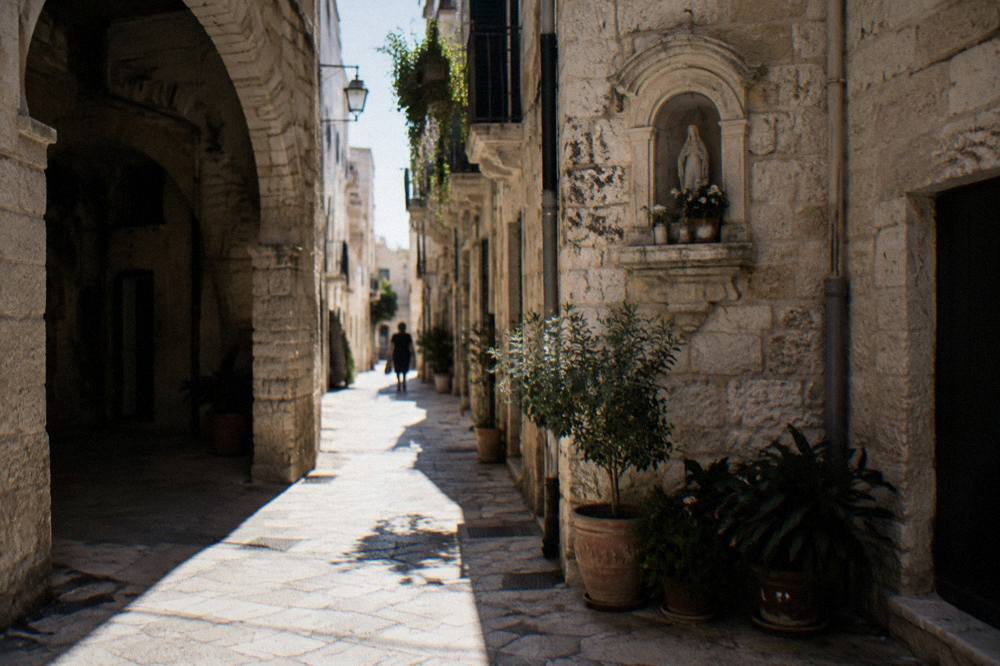
The crypt sits directly beneath the Basilica di San Nicola, at the heart of Bari Vecchia, the old town on the seafront headland of Bari, the capital of Puglia in southern Italy. The basilica stands a short walk from Piazza Mercantile and Piazza del Ferrarese, close to the old port at Molo San Nicola, and the whole quarter is compact enough to cover on foot.
Bari Vecchia is a peninsula of narrow streets, and the basilica anchors its eastern side facing the sea. The Via Venezian muraglia, the sea wall promenade behind the church, gives one of the best views along the Adriatic and makes an obvious approach walk. Everything in this section of the guide matters more than it might seem, because the old town is a limited traffic zone: if you arrive by rental car, park outside the perimeter and walk in. The ZTL rules changed on 1 July 2026, with a camera gate at the Castello, and the comune's own advice to visitors is unambiguous, do not drive into Bari Vecchia.
For orientation, the old port at Molo San Nicola is the nearest landmark on the water side, and Piazza Mercantile and Piazza del Ferrarese sit just inland. The main railway hub is Bari Centrale, from which the old town is a flat walk south through the Murat district. If you are planning a wider trip, the things to do in Bari overview lays out the full list of sights and day trips.
What Are The Opening Hours Of The Basilica And The Crypt?
The basilica's own page lists Monday to Saturday from 06:30 to 20:30 and Sunday from 06:30 to 22:00, and it mentions no admission fee for the church itself. The crypt is reached from inside the basilica, so the basilica's hours are the practical frame for a visit. Separate crypt hours or a separate crypt fee are not listed on the basilica's site, so check the official page before a visit planned around a specific time.
Those hours are unusually long for an Italian church, and they reflect the building's role as a working pilgrimage site rather than a ticketed monument. The basilica opens early, which matters if you want the crypt quiet: the first hours of the morning and the middle of the afternoon, when tour groups thin out, are the calmest windows in a normal day. Sunday extends to 22:00, which makes an evening visit possible on the day of the week when much else in the old town runs late.
| Day | Listed opening | Listed closing |
|---|---|---|
| Monday to Saturday | 06:30 | 20:30 |
| Sunday | 06:30 | 22:00 |
One detail worth knowing: the basilica's bulletins occasionally list slight variations, for example a 07:00 opening on some pages, so the table above reflects the main hours page rather than every bulletin. The adjacent Museo Nicolaiano, the basilica's own museum on Largo Urbano II, is reported at about 10:30 to 18:00, and one bulletin lists a Wednesday closure: treat those as reported times and confirm before you go. The museum sits a couple of streets from the church itself, and pairing it with the crypt is the natural morning or afternoon circuit for anyone who wants the full story of the relics.
A guided layer underneath the old town pairs naturally with the crypt, since the archaeologist-led Bari Underground walk covers the layers below the streets that a church visit alone cannot show.
How Much Does It Cost To Visit The Crypt Of San Nicola?
The basilica's page mentions no admission fee for the church, and no separate crypt fee appears on the official site, so the visit itself carries no listed charge. The expenses that do attach to a morning here are optional extras: the reported Museo Nicolaiano entry, and the paid museums of Bari Vecchia if you extend the walk, where prices run from 2 to 10 euro.
This is one of the few headline sights in Bari that is not a ticketed state museum, which makes it an anchor for a low-cost day. The contrast with the neighbours is worth setting out plainly, because several pages still carry out-of-date prices for the castle. The table below holds only figures that the official ticket pages themselves publish.
| Site in Bari | Full ticket | Reduced ticket | Source basis |
|---|---|---|---|
| Basilica di San Nicola and crypt | No fee mentioned | No fee mentioned | Basilica's own page |
| Castello Normanno-Svevo | 10 EUR | 2 EUR | Musei Puglia ticket page |
| Pinacoteca Metropolitana Corrado Giaquinto | 5 EUR | 2 EUR | Pinacoteca's hours page |
| Museo Archeologico di Santa Scolastica | 5 EUR | 2 EUR | Citta Metropolitana page |
| Teatro Petruzzelli guided tour | 7 EUR | 2 EUR | Fondazione Petruzzelli page |
| Puglia Musei Card | 20 EUR | Covers all regional Musei Puglia sites for 6 months | Musei Puglia ticket page |
If your itinerary takes in the castle and one or two museums, the Puglia Musei Card at 20 euro, valid across the regional state museum network for six months, is the number to compare against individual tickets. The castle's own listing is Tuesday to Sunday 09:00 to 19:00, with shorter Sunday openings from October to March except the first Sunday of the month. Its first-Sunday free entry under the Domenica al Museo scheme was listed in regional press for October 2026, so confirm the current month before counting on it.
What Is The Story Of The Relics Of Saint Nicholas?
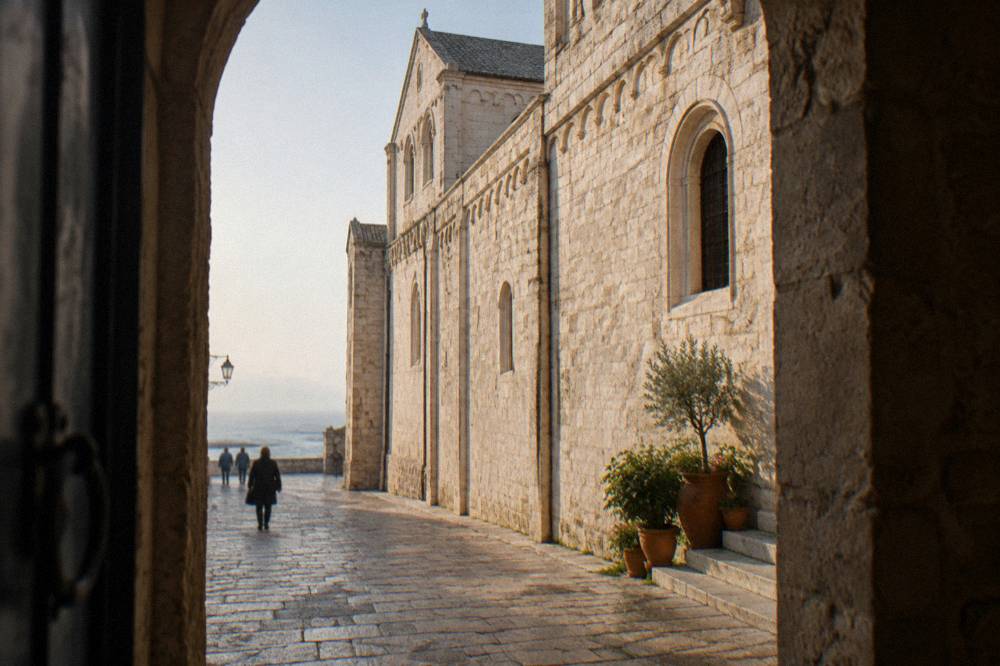
The relics of Saint Nicholas rested at Myra for about 750 years, from 337 to 1087, before sailors brought them to Bari in 1087, and they were placed in the crypt in 1089, where they have rested ever since. The basilica's own history page carries all three dates, and the annual Festa di San Nicola, held 7 to 9 May, still re-enacts the arrival each year.
The translation of 1087 is the founding event of the basilica and, in many ways, of medieval Bari's standing in the Mediterranean. Sailors from the city removed the relics from Myra, on the coast of what is now Turkey, and the arrival in Bari on 9 May became the date the city still celebrates. The crypt was prepared to receive them, and by 1089 the relics were in place. No later translation is recorded: the bones that pilgrims visit today are the bones that were set down in 1089.
| Year | Event |
|---|---|
| 337 | Death of Saint Nicholas; relics rest at Myra |
| 1087 | Sailors bring the relics from Myra to Bari |
| 1089 | The relics are placed in the crypt of the Basilica di San Nicola |
The feast keeps the story alive in the city's calendar. The corteo storico, the historical procession, left piazza Federico II di Svevia at 20:00 on 7 May 2026, and the sea procession on 8 May and the manna ceremony on 9 May are part of the traditional programme, reported on the comune's pages. Write "early May (7 to 9 May)" in any plan, and note that the 2027 programme had not been announced. The full background is on the site's San Nicola festival guide, and the building itself is covered in detail on the Basilica di San Nicola page.
Because Saint Nicholas is honoured by both the Catholic and the Orthodox churches, the crypt holds an Orthodox chapel beside the Catholic altar, and Orthodox services take place there. That shared custody is the reason the site draws pilgrim groups from across eastern Europe through the year, not only in May. The crypt is a place of worship first, and visits are expected to respect services in progress.
What Can You See Inside The Crypt?
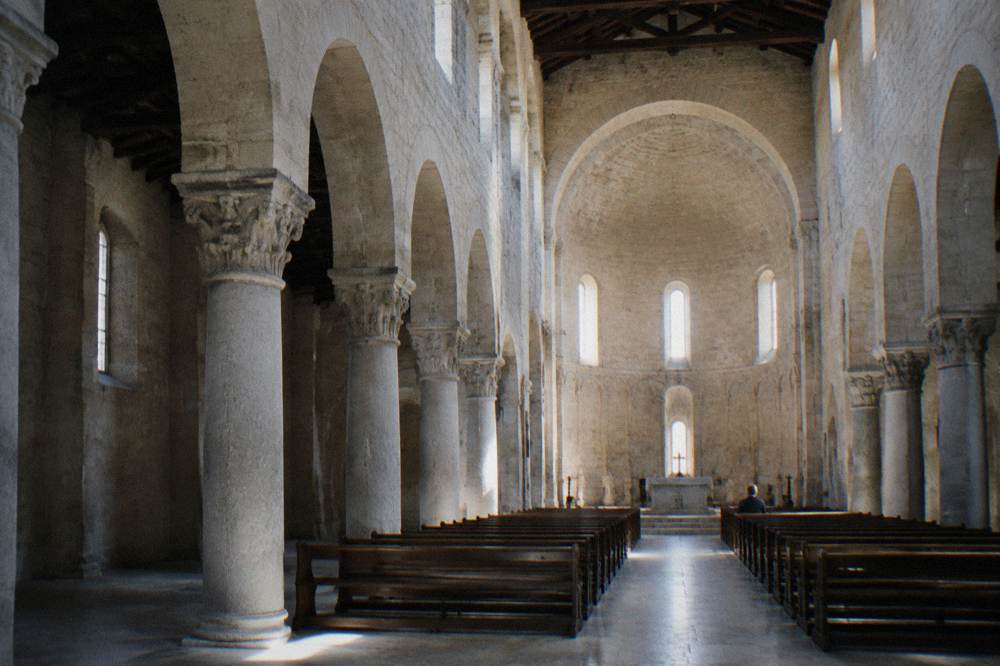
The crypt is a vaulted underground space built around the relics themselves: the tomb of Saint Nicholas under the main altar, an Orthodox chapel in the same room, and columns carrying the church above. The basilica's site names the relics in the crypt as the centrepiece; it lists no separate crypt itinerary, no guided route and no fee, so the visit is short, self-guided and best treated as one stop in a longer walk.
The descent is by steps from within the basilica, and the space is compact, a single crypt rather than a multi-room excavation. Pilgrims queue at the tomb; the ceiling sits low enough that the vaults feel close; candlelight and the smell of beeswax do much of the atmosphere. Photography is generally tolerated but services clear the space quickly, so time a visit around the liturgical schedule rather than fighting it. On 9 May each year the traditional manna ceremony, the drawing of a liquid said to seep from the tomb, closes the feast, reported in the comune's programme.
What the crypt does not offer is context, and that is where a guided layer earns its place. The archaeologist-led underground walk listed below starts from Bari and covers the city's buried archaeology in a way a church visit cannot, and it pairs well with a morning in Bari Vecchia.
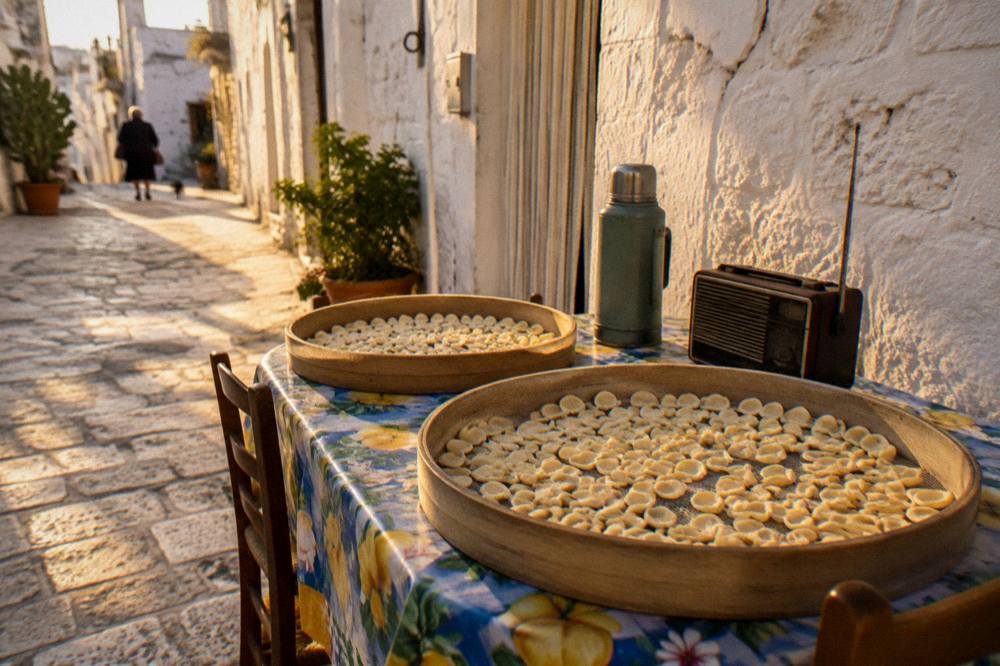
Above ground, the basilica's interior, the Museo Nicolaiano's reported collection of reliquaries and liturgical objects, and the sea wall behind the church complete a circuit that takes an unhurried half day. Combine it with the Strada delle Orecchiette, the pasta-makers' street of Bari Vecchia, where orecchiette, the pasta shape of Puglia, is the local staple, and with a pass by the Teatro Margherita on the waterfront.
What Else Is Within Walking Distance Of The Basilica?
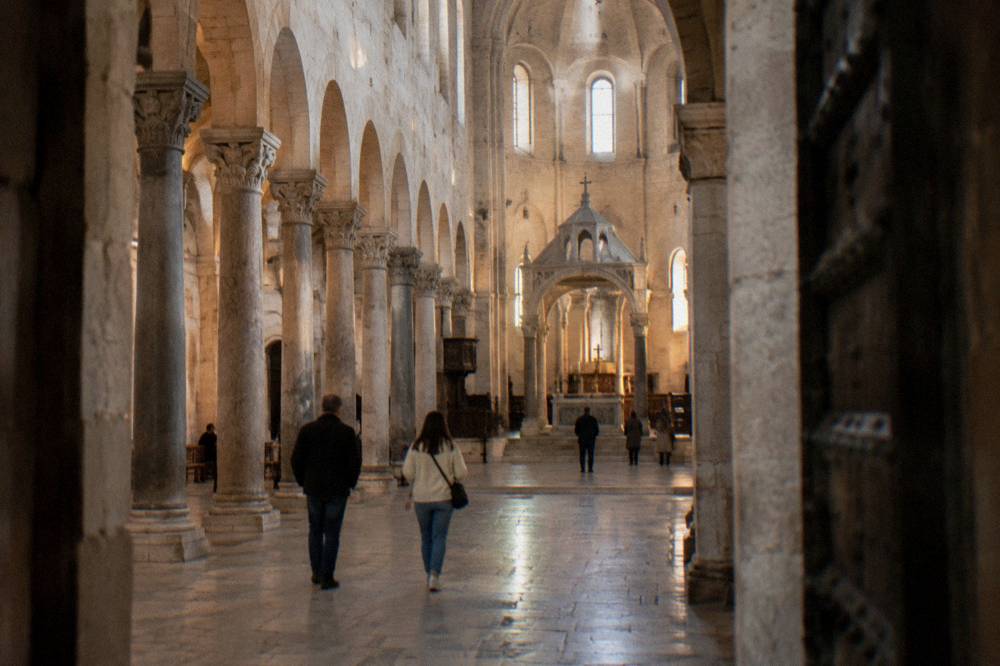
Everything of note in Bari Vecchia is within a ten-to-fifteen minute walk of the crypt: Piazza Mercantile, the Cattedrale di San Sabino, the Castello Normanno-Svevo, the old port and the start of the Lungomare Nazario Sauro. The Murat district and its shopping streets begin immediately south of the old town, and Bari Centrale sits beyond them, roughly twenty minutes on foot from the basilica.
This density is the reason Bari works as a short-stay city. A realistic loop runs from Bari Cathedral San Sabino, a landmark of the old town near the basilica, then down to Piazza Mercantile and the Swabian castle, whose hours and prices are set out above. The castle, the Castello Normanno-Svevo of this site's dedicated page, is the one paid interior in the quarter that the official ticket page prices at 10 euro full and 2 euro reduced. From the castle the loop can drop to the water at the Fortino Sant'Antonio and return along the sea.
| Nearby site | Direction from the basilica | Notes from the sources |
|---|---|---|
| Cattedrale di San Sabino | Inland, central Bari Vecchia | Landmark of the old town; no hours or fee listed on official pages |
| Piazza Mercantile and Piazza del Ferrarese | South-west | The old town's main squares; the tourist infopoint is reported at Piazza del Ferrarese 29 |
| Castello Normanno-Svevo | South edge of the old town | 10 EUR full, 2 EUR reduced; Tuesday to Sunday |
| Old port, Molo San Nicola | East, at the water | Fishing boats and the seafront under the muraglia |
| Teatro Petruzzelli | Beyond Piazza Moro in the Murat district | Guided tours 7 EUR full, 2 EUR reduced |
| Lungomare Nazario Sauro | South along the sea | The seafront promenade toward the city beaches |
The Murat district shopping streets make a natural afternoon counterweight to the morning in the old town, and the Lungomare Nazario Sauro leads south toward the city beaches at Pane e Pomodoro and Torre Quetta. A food-led walk of the old town is the other obvious pairing, since the quarter's street food, panzerotti, focaccia barese and raw seafood, is part of what the city is known for.
When Is The Best Time Of Year To Visit The Crypt?
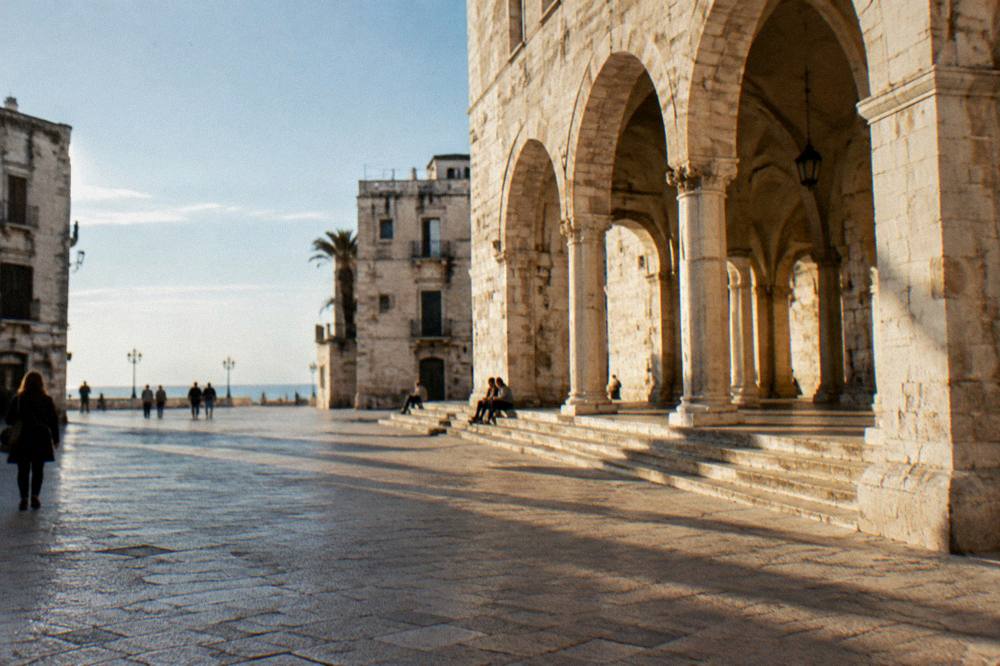
The crypt is open year-round inside the basilica's listed hours, and the climate table shows why spring and autumn are the comfortable seasons: July averages a mean daily maximum of 28.6 C and August 29.1 C, while April and October sit at 17.5 C and 21.1 C. Early May, 7 to 9 May, adds the Festa di San Nicola, at the cost of crowds and the busiest week of the year in Bari Vecchia.
These are typical values from modelled ERA5 data, 1991 to 2020. The same table puts about 587 mm of rain on the city across a year, with November at 73 mm and August at 20 mm, and about 4 rain days in July and August. A crypt visit is, of course, an all-weather activity, which makes it a useful anchor on a wet morning; the site's rainy day in Bari page extends that idea. Sea temperature is allowed only as a modelled range: about 27 C in July and August, about 22 C in October, about 14 C in February.
| Month | Mean daily high | Mean daily low | Rain |
|---|---|---|---|
| January | 12.1 C | 7.3 C | 60 mm |
| April | 17.5 C | 11.2 C | 54 mm |
| July | 28.6 C | 22.0 C | 22 mm |
| August | 29.1 C | 22.4 C | 20 mm |
| October | 21.1 C | 15.6 C | 63 mm |
| November | 16.9 C | 12.0 C | 73 mm |
The feast week in early May is the one period when the crypt's calm changes character. The corteo storico, the sea procession and the manna draw large crowds into a small quarter, and the comune posts traffic and bus changes for those days. If your dates are fixed to early May, plan the crypt for a weekday morning and expect the squares to be full from late afternoon. Outside that week, the crypt runs on its ordinary rhythm: quiet in the first hour after 06:30, busier with groups late morning, quieter again after 16:00.
How Does The Crypt Fit Into A Longer Stay In Bari?
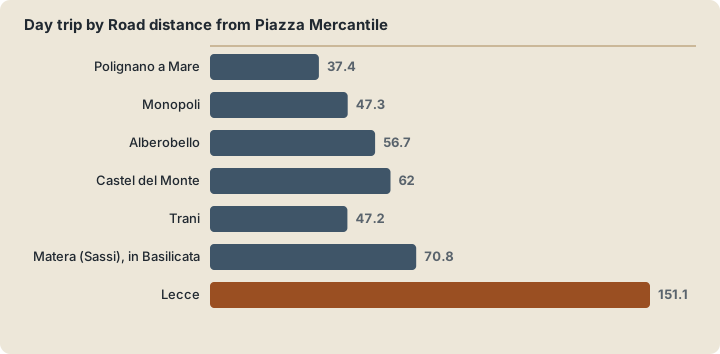
With two days or more, the crypt belongs on day one in Bari Vecchia, leaving the second day for the Murat district, the seafront and one day trip: Polignano a Mare at 37.4 km and about 36 minutes by road from Piazza Mercantile, or Alberobello at 56.7 km and about 61 minutes, are the nearest headline trips, while Matera, 70.8 km away in Basilicata, needs the better part of a day.
The road figures are free-flow computed distances from Piazza Mercantile, and they explain the standard shape of a Puglia itinerary from Bari. The two days in Bari itinerary sequences the city itself; beyond it, the regional rail spine runs Trenitalia regional trains on the Bari-Lecce line through Polignano a Mare (33 km by rail) and Monopoli (41 km), while the Trulli Link intermodal service connects to Locorotondo, Alberobello and Martina Franca in the Valle d'Itria, with the FSE leg reported at 5.90 euro on top of the rail fare. Check the operators' timetables for any specific journey.
| Day trip | Road distance from Piazza Mercantile | Free-flow drive time |
|---|---|---|
| Polignano a Mare | 37.4 km | about 36 minutes |
| Monopoli | 47.3 km | about 43 minutes |
| Alberobello | 56.7 km | about 61 minutes |
| Castel del Monte | 62.0 km | about 59 minutes |
| Trani | 47.2 km | about 45 minutes |
| Matera (Sassi), in Basilicata | 70.8 km | about 69 minutes |
| Lecce | 151.1 km | about 115 minutes |
Two of the paid entries on that circuit carry official prices worth repeating: Castel del Monte, a UNESCO World Heritage site since 1996, costs 10 euro full and 2 euro reduced, open daily 10:00 to 18:45 from 1 April to 30 September and 09:00 to 17:45 from 1 October to 31 March; the Grotte di Castellana full route of 3 km, about 100 minutes, costs 25 euro for ages 15 and over. Matera is in Basilicata, not Puglia: the day trip crosses a regional border.
For the Alberobello and Matera combination, a tour with a leader on board is one way to cover both in a single day. The pick below departs from Alberobello, not from Bari, so it suits a plan that already includes the Valle d'Itria.
What Practical Details Should You Know Before Visiting?
Bari Vecchia is a limited traffic zone with a camera gate at the Castello since 1 July 2026, so arrive on foot, by taxi to the edge, or by AMTAB bus, whose single ticket costs 1.00 euro and the day ticket 2.50 euro. The tourist tax in Bari runs 1.50 to 4.00 euro per person per night by accommodation category, for a maximum of 4 consecutive nights, collected by your accommodation. The emergency number in Italy is 112.
Dress for a church: shoulders covered is the standard expectation at an active place of worship, and the crypt is cool even in August, so a light layer is sensible in summer. Services, especially the Orthodox liturgies, take precedence over sightseeing, and the space clears for them without announcement. The infopoint reported at Piazza del Ferrarese 29 is the place for printed information if plans change, and the comune's pages carry any service changes during works as they are announced by the operator.
If you are staying longer, the residential areas south of the centre, covered on the San Pasquale and Carrassi page, sit within an easy walk or bus ride of the old town, and the Pane e Pomodoro beach, about 2.1 km from Piazza Mercantile, is the nearest city beach for an afternoon off the sightseeing circuit. Bari itself holds no Blue Flag beach in 2026; the province's Blue Flags are at Polignano a Mare and Monopoli, both reachable as day trips.
Common Questions About The Crypt Of San Nicola
Is Saint Nicholas really buried in Bari?
Yes. The relics of Saint Nicholas were brought from Myra to Bari by sailors in 1087 and placed in the crypt of the Basilica di San Nicola in 1089, where they rest today. The basilica's own history page carries the dates.
Does it cost anything to visit the crypt of San Nicola?
The basilica's page mentions no admission fee, and no separate crypt fee appears on the official site. Optional extras nearby include the reported Museo Nicolaiano entry and the city's paid museums.
What are the opening hours of the crypt of San Nicola Bari?
The basilica is listed Monday to Saturday 06:30 to 20:30 and Sunday 06:30 to 22:00, with no separate crypt hours published. Check the basilica's official page before a visit planned around a specific time.
Can Orthodox visitors worship at the crypt?
Yes. The crypt holds an Orthodox chapel beside the Catholic altar, and services in the Orthodox rite take place there. Pilgrim groups from across eastern Europe visit through the year.
When is the Festa di San Nicola?
The patronal feast runs 7 to 9 May by tradition. In 2026 the corteo storico left piazza Federico II di Svevia at 20:00 on 7 May; the sea procession on 8 May and the manna on 9 May are part of the reported programme. The 2027 programme had not been announced.
How long does a visit to the crypt take?
The crypt is a single compact space, and a visit is short and self-guided: allow a unhurried half day for the basilica, the crypt and the surrounding streets of Bari Vecchia together.
Plan the hours from the basilica's page, walk in from outside the old town, and give the morning that follows to the squares, the sea wall and the street food of Bari Vecchia.