San Pasquale And Carrassi Bari: The Residential Ring
This guide covers what the districts are, how to reach the old town from them, where they fit in a stay, and what the numbers say about transport, tax and weather.
Short answer
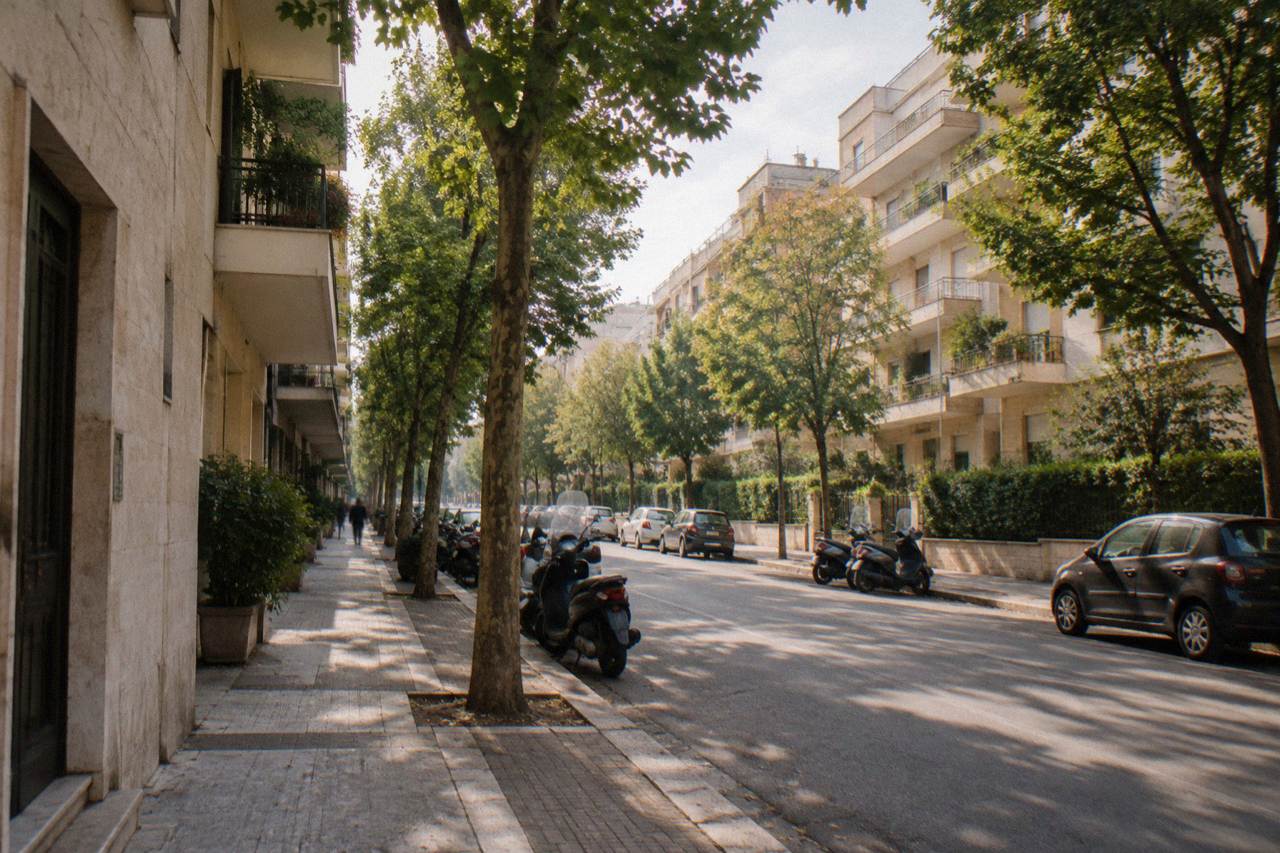
San Pasquale and Carrassi are residential districts immediately south of central Bari, within an AMTAB bus ride of Bari Vecchia, with the Parco 2 Giugno park and the Teatro Petruzzelli on their doorstep and a single bus ticket at 1.00 euro.
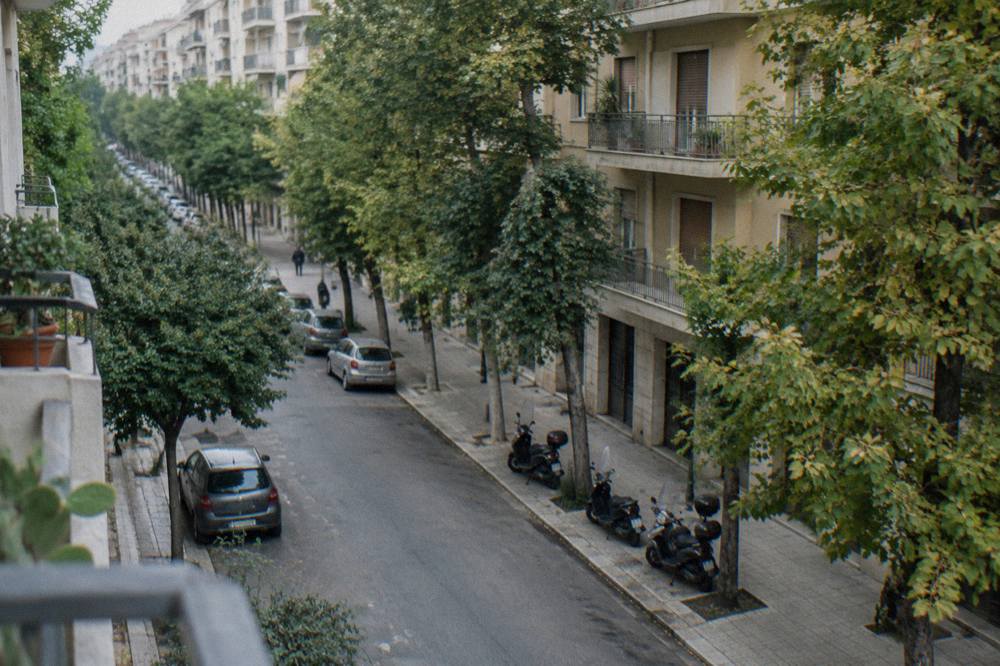
San Pasquale and Carrassi are two adjoining residential districts on the south side of Bari, the capital of the Puglia region on the Adriatic coast of southern Italy. They sit inland of the seafront, between the Murat grid at the centre and the broad green of the Parco 2 Giugno, and they form the belt of apartment blocks, student housing, schools and everyday shops that rings the tourist core. Visitors rarely land here by accident: they land here because accommodation in the residential ring tends to sit within a short bus or walk of everything the Bari Italy Travel Guide covers, from the Basilica di San Nicola to the Lungomare Nazario Sauro.
Where a figure does not exist in the municipal and operator pages, the page does not guess one.
Where Are San Pasquale And Carrassi In Bari?
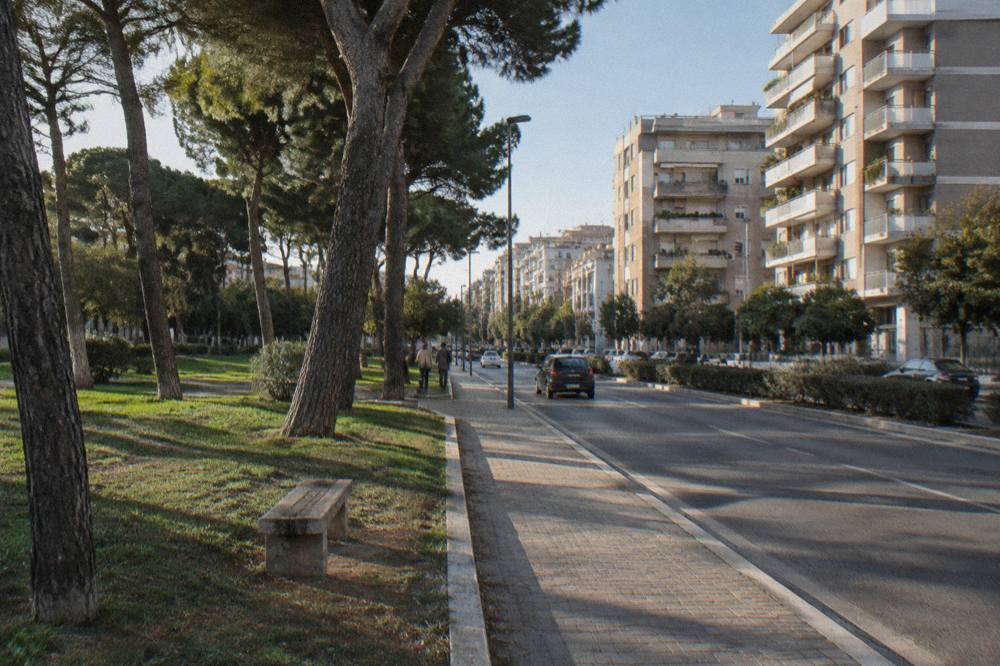
San Pasquale and Carrassi are adjoining inland districts immediately south of central Bari, inland of the seafront districts of Madonnella and Japigia and south of the Murat grid that holds Via Sparano and Bari Centrale's surroundings. Carrassi and San Pasquale appear as named city districts in the municipal geography, together with Liberta and Poggiofranco in the same southern belt. The Parco 2 Giugno, the city's large public park, sits on their western edge.
To orient yourself, the city splits into a handful of layers. Bari Vecchia, the old town, occupies the headland between the old port and the modern harbour, and it holds the Basilica di San Nicola, the Cattedrale di San Sabino, the Swabian castle and the squares of Piazza Mercantile and Piazza del Ferrarese. The Murat district is the grid planned under a later regime immediately south of the old town, the shopping and banking core around Via Sparano. Madonnella and the Lungomare line the sea. Then comes the residential ring: Carrassi, San Pasquale, Liberta and Poggiofranco, districts built largely for housing rather than for monuments, and priced and lived in accordingly.
That residential character is the whole point of the area. The districts hold the University of Bari's main campus buildings, hospitals, schools and ordinary commerce, which gives the streets a working rhythm that starts early and quiets late. Nothing in the municipal pages ranks districts as the nicest, the safest or the best for nightlife, and this page does not invent such a ranking. What the geography does show is simple: Carrassi and San Pasquale sit between the centre and the park, close enough that reaching the old town is a bus ride or a brisk walk rather than a commute.
A stay here pairs naturally with a first visit plan such as one day in Bari or a longer two days in Bari, because the days run from the residential base into the old town and back.
How Do You Get From Carrassi To The Old Town Of Bari?
The districts connect to the centre through the AMTAB city bus network, whose fares are 1.00 euro for a single ride, 1.20 euro for a 90 minute ticket and 2.50 euro for a day ticket valid until the end of service, all listed on the operator's fares page. Bari Centrale, the city's main railway station, sits on the northern edge of the belt, so the old town, the station and the airport link all sit within reach of a single ticket or two.
The fare table below comes from the AMTAB ticket page.
| AMTAB ticket | Price | Validity |
|---|---|---|
| Single ride | 1.00 EUR | One trip |
| 90 minute ticket | 1.20 EUR | 90 minutes |
| Day ticket | 2.50 EUR | Until end of service |
Three operators matter at the edges of the residential ring. AMTAB runs the city buses. Ferrotramviaria runs the suburban rail line that reaches Bari Centrale from the Karol Wojtyla airport at Palese, a 17 minute run from the station inside the terminal at 5.30 euro for a single under the 2026 tariff, with a contactless card tap accepted at the gate under the Paga e Via scheme. Trenitalia regional trains on the Bari-Lecce line call at Bari Centrale and serve the coast towns, Polignano a Mare at 33 km and Monopoli at 41 km along the line. The station area itself is covered in the guide to around Bari Centrale, and the wider network, including FSE and FAL lines to the Valle d'Itria and Matera, is summarised on the Bari Vecchia and getting-around pages.
For anyone planning evening trips, one caution applies: service changes during works are posted by the operator, and the municipal site is the place to check current stop locations before relying on any single route through the southern districts.
The old town rewards the bus ride. Once there, the layers beneath Bari Vecchia's streets can be seen with a professional: the underground archaeology tour listed below runs with an archaeologist and opens the subterranean remains that the street-level city hides.
The streets above those layers hold the basilica, the cathedral and the pasta makers of the Strada delle Orecchiette, and the district-to-district walk from Carrassi to the old town passes the whole commercial core on the way. If you would rather compare several guided ways into the old town, the three picks below cover an archaeologist-led underground visit, an old town walk with street food, and a rickshaw street food tour.
What Can You See Around San Pasquale And Carrassi?
The Parco 2 Giugno, Bari's large public park, sits at the western edge of the district belt, and the Teatro Petruzzelli, the city's principal opera house, stands a short way north towards the centre, with guided tours at 7 euro full and 2 euro reduced according to the theatre's own visits page. Beyond those two, the draw of the districts is proximity: the old town, the seafront and the Murat grid all sit within the radius of a single bus ticket.
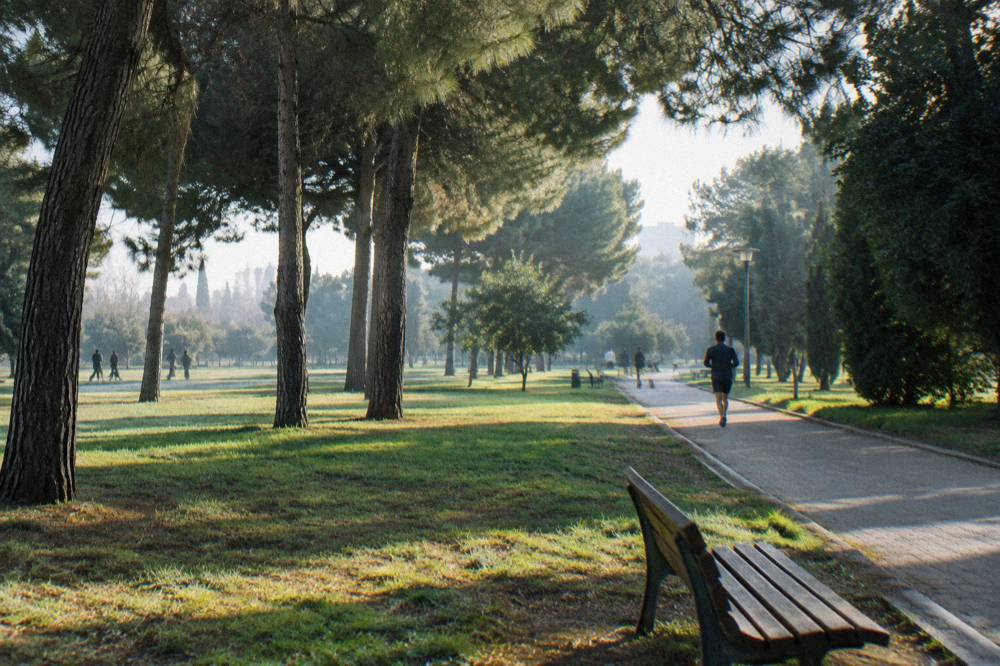
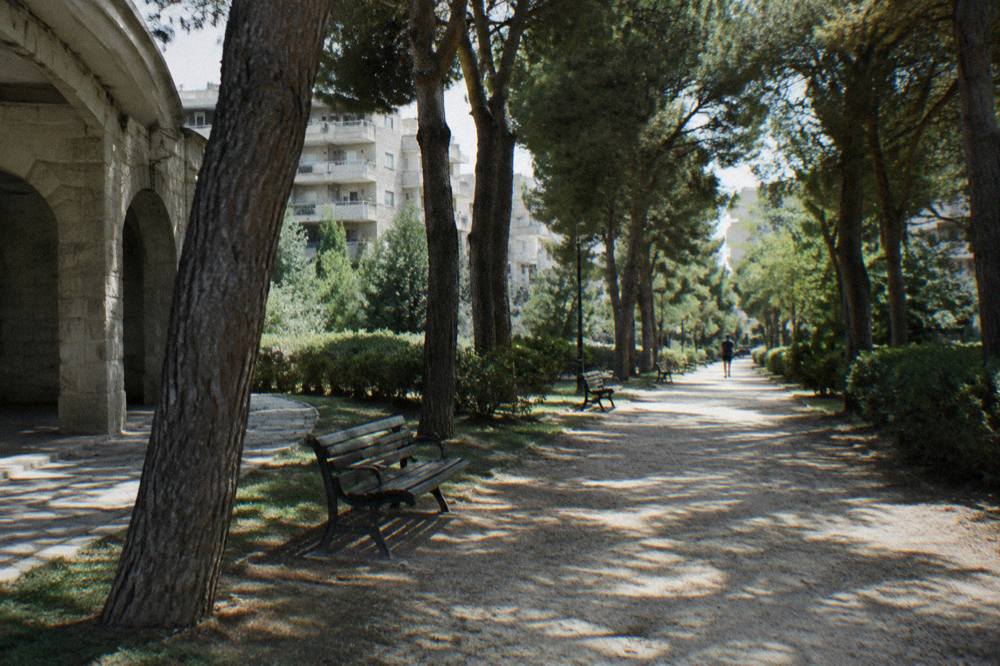
The Parco 2 Giugno is the green anchor of the southern belt. The municipal geography places it beside Carrassi and Poggiofranco, and it functions as the city's everyday park: paths, trees, benches, the ordinary weekend life of a southern Italian city. The municipal and regional pages carry no events calendar for the park, so check locally for anything timed.
The theatre's visits page lists guided tours at 7 euro full and 2 euro reduced for students, children and disabled visitors, with dated slots published monthly and the box office opening 30 minutes before each tour. The theatre burned on the night of 26 to 27 October 1991 and reopened on 4 October 2009, a sequence reported in the standard accounts of the building, and the current season runs opera and ballet through the winter. The sister theatre, the Teatro Margherita, stands nearer the sea by the Murat edge.
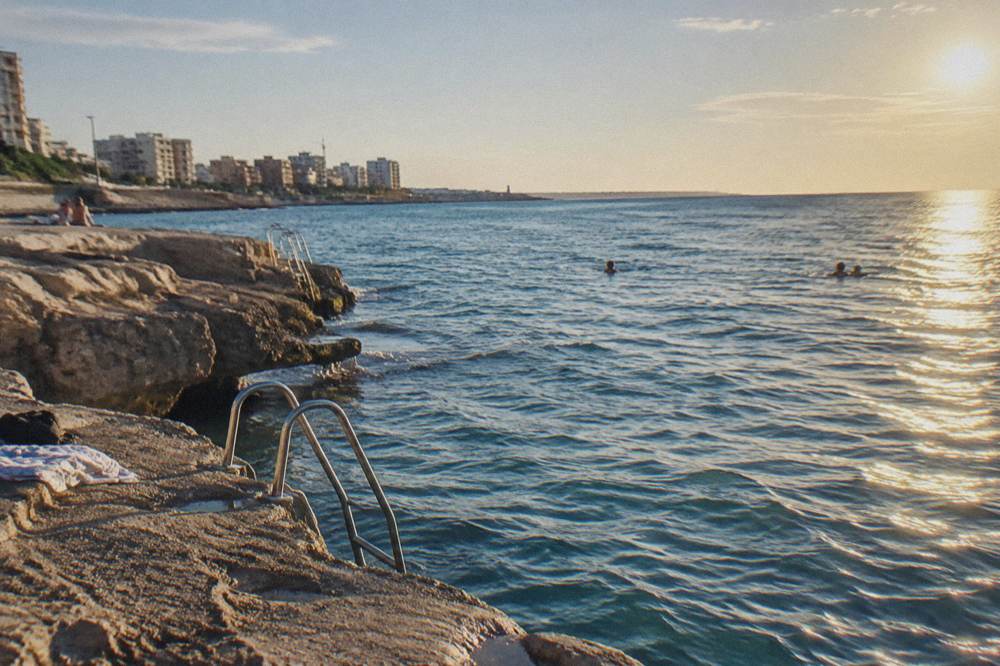
The nearby seafront completes the picture. The Lungomare Nazario Sauro runs along the Adriatic from the old port south past Madonnella, and the city beaches of Pane e Pomodoro, about 2.1 km from Piazza Mercantile, and Torre Quetta, about 3.9 km, sit within the same southern stretch towards Japigia. Facilities and charges at the beaches vary by season and should be confirmed locally; Bari itself holds no Blue Flag beach in 2026, while Polignano a Mare and Monopoli, both reachable as day trips, do.
Is San Pasquale A Good Base For Staying In Bari?
The districts work as a base for the same reason they work for residents: everything central sits within a 1.00 euro bus ride or a walk. The tax is set citywide, so the category of the accommodation matters more than the district it sits in.
| Accommodation category | Tourist tax per person per night |
|---|---|
| 5-star and luxury hotels | 4.00 EUR |
| 4-star hotels | 3.00 EUR |
| 3-star hotels | 2.00 EUR |
| 1-star and 2-star hotels | 1.50 EUR |
| B&B, affittacamere, short lets, holiday homes, hostels, agriturismi | 2.00 EUR |
| 4-star campsites and villages | 3.00 EUR |
The practical questions to put to a listing are the transport ones: which AMTAB routes pass the door, how far the walk to Bari Centrale is, and whether the address falls inside any restricted traffic arrangement. One firm rule from the municipal pages applies whatever the answer: Bari Vecchia is a limited traffic zone with a camera gate at the Castello, active since 1 July 2026, with weekday entry windows for authorised vehicles only, so a rental car should never be driven into the old town. Park outside and walk or bus in.
For a stay built around cooking and markets rather than restaurants, the residential belt is well placed for both, and the three days in Bari plan shows how a base south of the centre can carry a longer visit without a car.
How Far Is Carrassi From Bari's Landmarks And Day Trips?
By road from Piazza Mercantile, the reference point the computed distance table uses, the Murat core sits under 2 km north of the districts, the seafront beaches sit 2 to 4 km east, and the classic day trips start at Polignano a Mare at 37.4 km and about 36 minutes, Monopoli at 47.3 km and about 43 minutes, and Alberobello at 56.7 km and about 61 minutes, all free-flow drive times computed from the road network.
Add the short hop from the districts to the square itself when planning.
| Destination | Road distance from Piazza Mercantile | Free-flow drive time |
|---|---|---|
| Polignano a Mare | 37.4 km | about 36 min |
| Monopoli | 47.3 km | about 43 min |
| Conversano | 31.3 km | about 36 min |
| Grotte di Castellana | 43.1 km | about 47 min |
| Alberobello | 56.7 km | about 61 min |
| Locorotondo | 68.8 km | about 58 min |
| Ostuni | 85.3 km | about 73 min |
| Trani | 47.2 km | about 45 min |
| Castel del Monte | 62.0 km | about 59 min |
| Matera (Sassi) | 70.8 km | about 69 min |
| Lecce | 151.1 km | about 115 min |
Two notes attach to the table. Matera is in Basilicata, not Puglia: the day trip crosses the regional border, and the Sassi are the old stone districts of that city. Lecce, at about 151 km by road and 150 km by rail on the Trenitalia line, is a long day or an overnight rather than an afternoon. Rail alternatives cover part of the list: Polignano a Mare and Monopoli sit on the Bari-Lecce line, and the Trulli Link service of Trenitalia and FSE connects towards Locorotondo, Alberobello and Martina Franca in the Valle d'Itria, with the FSE leg reported at 5.90 euro on top of the rail fare, a figure to confirm before you go.
What Is The Weather Like In The San Pasquale And Carrassi Side Of Bari?
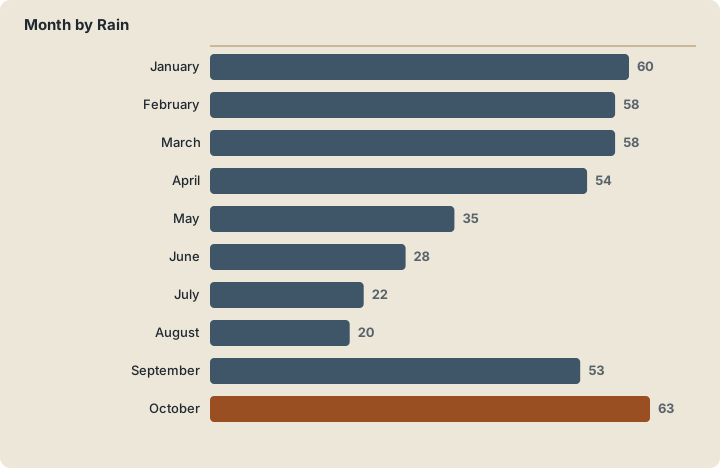
The districts share the city's climate, and the modelled figures show July and August mean daily maxima of 28.6 C and 29.1 C, January and February mean daily maxima of about 12 C with mean minima near 7 C, and about 587 mm of rain across the year, all typical values from modelled ERA5 data, 1991 to 2020, with no weather station named because none is used.
Bari is compact enough that no district carries its own climate. The monthly detail:
| Month | Mean daily high | Mean daily low | Rain |
|---|---|---|---|
| January | 12.1 C | 7.3 C | 60 mm |
| February | 12.5 C | 7.2 C | 58 mm |
| March | 14.7 C | 8.8 C | 58 mm |
| April | 17.5 C | 11.2 C | 54 mm |
| May | 21.6 C | 15.3 C | 35 mm |
| June | 25.9 C | 19.5 C | 28 mm |
| July | 28.6 C | 22.0 C | 22 mm |
| August | 29.1 C | 22.4 C | 20 mm |
| September | 25.1 C | 19.1 C | 53 mm |
| October | 21.1 C | 15.6 C | 63 mm |
| November | 16.9 C | 12.0 C | 73 mm |
| December | 13.2 C | 8.7 C | 63 mm |
Read the table before generalising. November carries the highest monthly rain total at 73 mm and August the lowest at 20 mm, with about 4 rain days in July and August against 9 to 10 in the winter months. For sea swimming, the modelled range gives about 27 C in July and August, about 22 C in October and about 14 C in February, from modelled 2023 to 2025 means. In practical terms for a residential base: summer stays want air conditioning and a plan for the middle of the day, spring and autumn are the flexible seasons, and a winter stay belongs with the indoor list on the rainy day pages, museums and theatres first.
Which Museums And Sights Are Within Easy Reach Of Carrassi?
Four museum and monument entries sit within the radius of a bus ride from the districts: the Castello Normanno-Svevo at 10 euro full and 2 euro reduced, the Pinacoteca Metropolitana Corrado Giaquinto at 5 euro full and 2 euro reduced, the Museo Archeologico di Santa Scolastica at 5 euro full and 2 euro reduced, and the Puglia Musei Card at 20 euro covering all regional state museum sites for 6 months, per the Musei Puglia ticket page.
The ticket table, drawn from the official museum pages:
| Site | Full ticket | Reduced | Hours summary |
|---|---|---|---|
| Castello Normanno-Svevo | 10 EUR | 2 EUR | Tue to Sun 09:00 to 19:00; Oct to Mar Sundays 09:00 to 13:30, first Sunday 09:00 to 19:00 |
| Pinacoteca Metropolitana Corrado Giaquinto | 5 EUR | 2 EUR (8 EUR combined) | Tue to Sat 09:00 to 19:00, Sun 09:00 to 13:00, closed Monday |
| Museo Archeologico di Santa Scolastica | 5 EUR | 2 EUR (combined with Pinacoteca) | Tue to Sat 09:00 to 19:00, Sunday from 09:00, free first Sunday |
| Teatro Petruzzelli guided tour | 7 EUR | 2 EUR | Dated slots published monthly |
| Puglia Musei Card | 20 EUR | All Musei Puglia sites, 6 months |
The castle's free first Sundays under the Domenica al Museo scheme are reported in the regional press for the state museums, so confirm the month you travel. The Castello Normanno-Svevo and the basilica complex, including the Basilica di San Nicola, open Monday to Saturday 06:30 to 20:30 and Sunday 06:30 to 22:00 with no admission fee mentioned on its page, together make the obvious old town pair from a southern base, and the old port at Molo San Nicola completes the headland walk.
For travellers who prefer the city explained rather than found, the guided options below cover the same ground with a local: the old town walk with street food stops and the rickshaw tour both run inside Bari Vecchia and the adjacent streets, a short bus hop from the residential ring.
The rickshaw version below covers similar streets seated rather than walking, which suits hot afternoons and anyone easing off a long travel day.
Common Questions About Carrassi Bari
Where is Carrassi in Bari?
Carrassi is a residential district immediately south of central Bari, inland of Madonnella and Japigia and south of the Murat grid, bordering the Parco 2 Giugno together with San Pasquale and Poggiofranco in the city's southern belt.
How do I get from Carrassi to Bari old town?
Take an AMTAB city bus towards the centre: a single ride costs 1.00 euro, a 90 minute ticket 1.20 euro and a day ticket 2.50 euro per the operator's fares page. The old town is also walkable from the Murat grid in fine weather.
Is San Pasquale a good place to stay in Bari?
The tourist tax follows the citywide schedule of 1.50 to 4.00 euro per person per night by category, maximum 4 nights.
How much is the tourist tax in Bari?
Between 1.50 euro and 4.00 euro per person per night depending on the accommodation category, charged for a maximum of 4 consecutive nights per calendar year and collected by the accommodation, per the comune di Bari imposta di soggiorno page.
How far is Carrassi from Bari airport?
The airport, Karol Wojtyla at Palese, sits 12.0 km and about 21 minutes by road from Piazza Mercantile. From Bari Centrale the Ferrotramviaria train covers the airport in 17 minutes at 5.30 euro for a single under the 2026 tariff.
Can I drive into Bari Vecchia from Carrassi?
No. Bari Vecchia is a limited traffic zone with a camera gate at the Castello since 1 July 2026, with weekday entry windows for authorised vehicles only. Park outside the old town and walk or take the bus in.
San Pasquale and Carrassi will never be the postcard of Bari; the postcard lives on the headland and the seafront.
