Strada Delle Orecchiette Bari: Arco Basso And The Pasta Makers Of Bari Vecchia
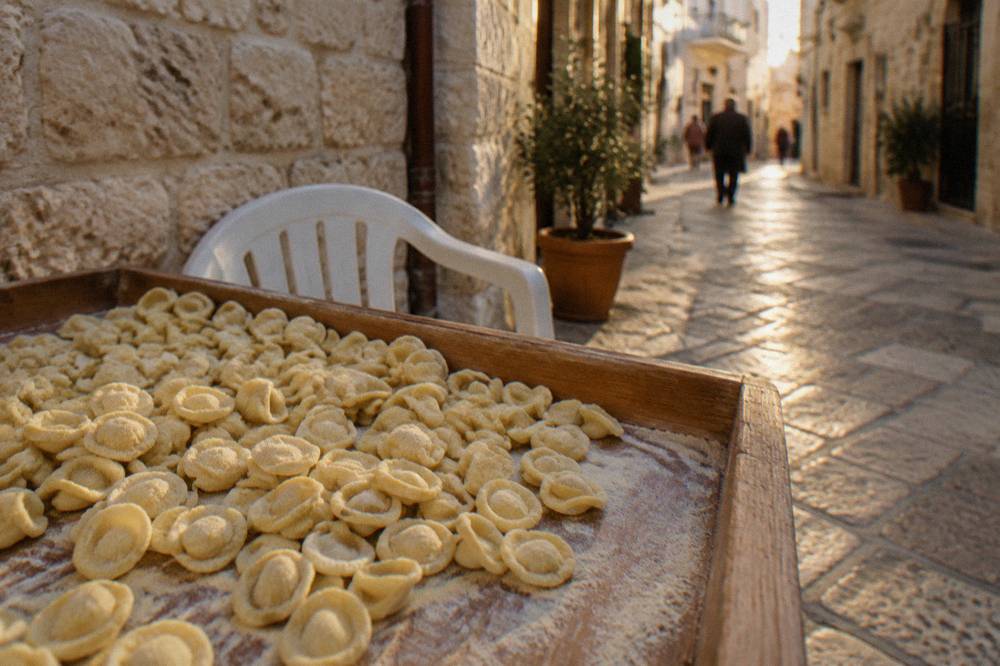
Strada Arco Basso is a narrow lane inside Bari Vecchia, the old town of Bari, the capital of Puglia on the Adriatic coast of southern Italy, and it has given the street its food nickname, strada delle orecchiette.
Short answer
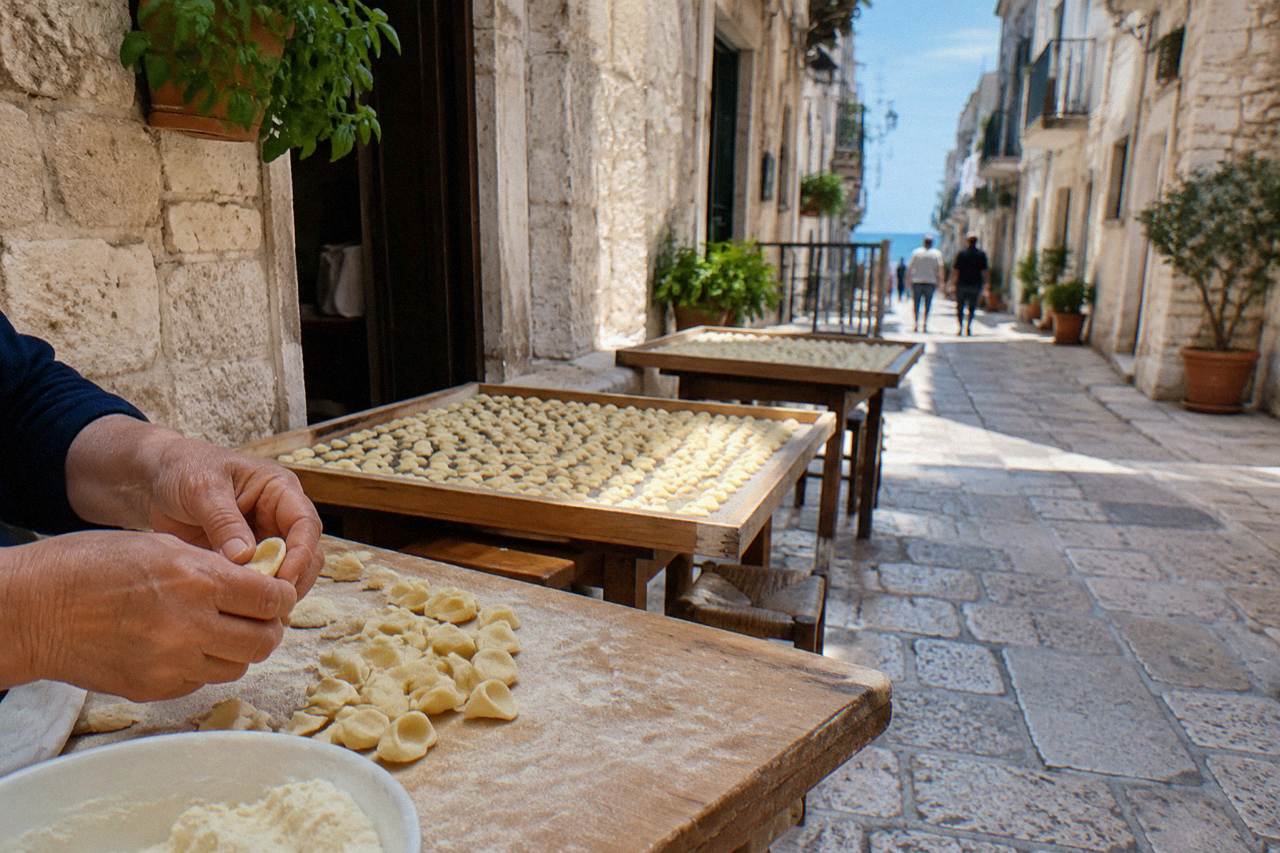
Strada delle orecchiette is the nickname of Strada Arco Basso, a lane in Bari Vecchia associated with fresh pasta. Orecchiette is the pasta shape of Puglia, and the lane sits a short walk from Piazza Mercantile, the Basilica di San Nicola and the Castello Normanno-Svevo.
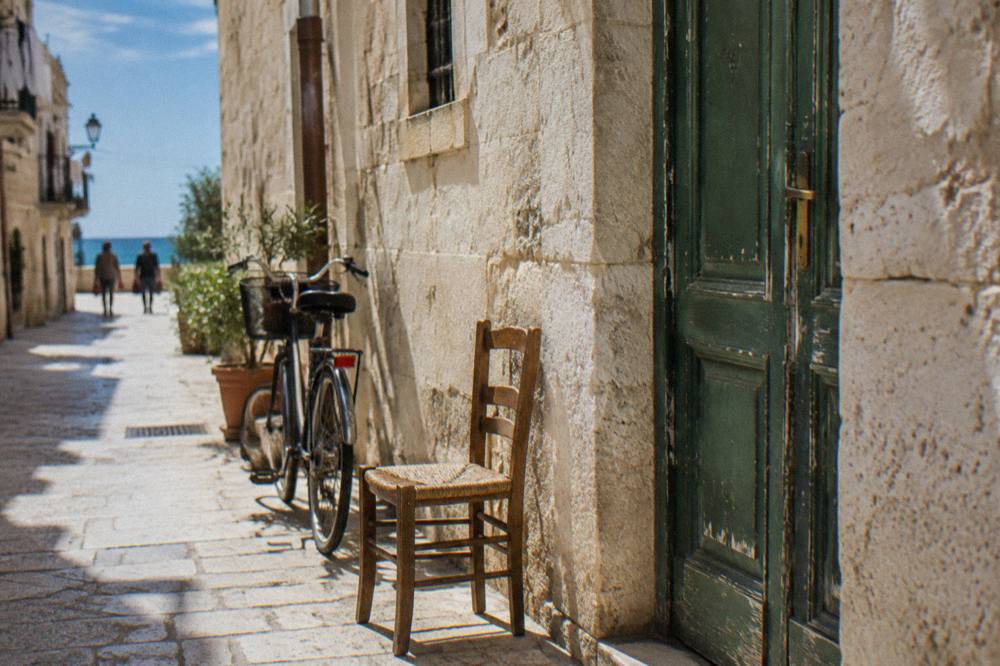
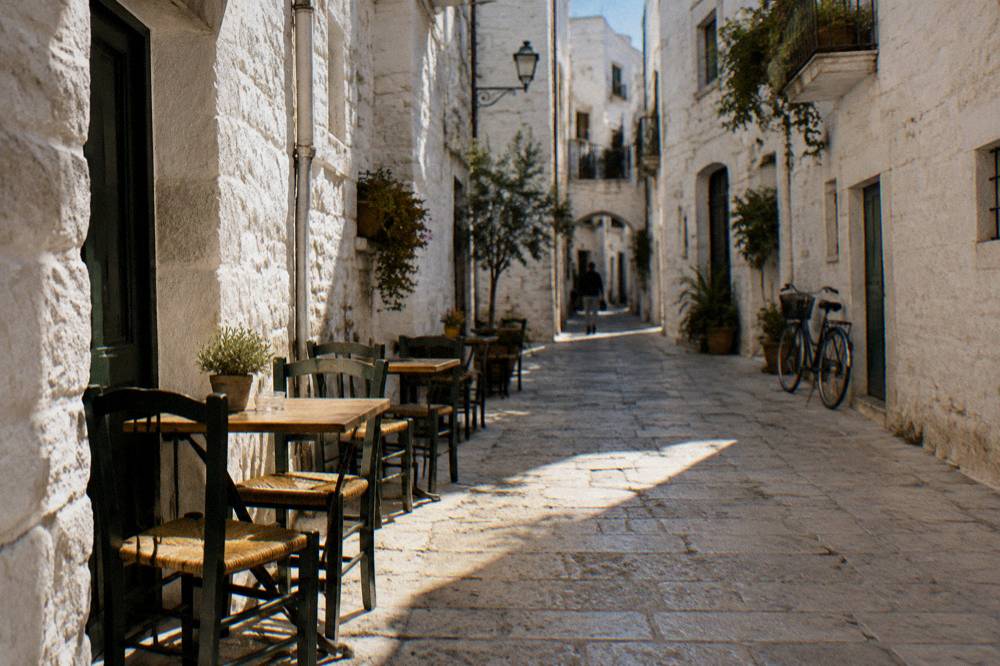
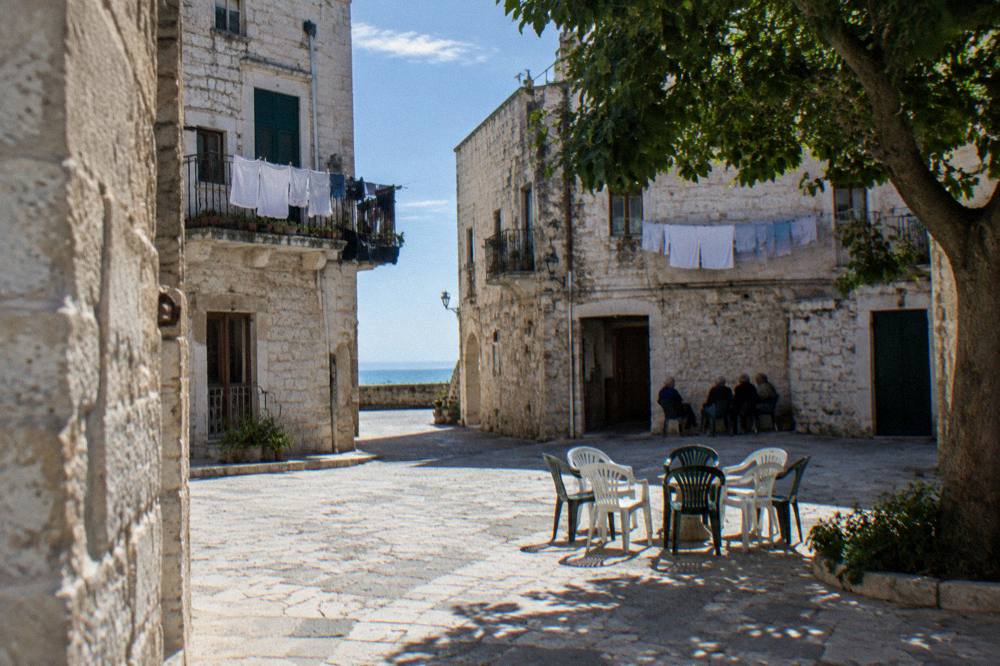
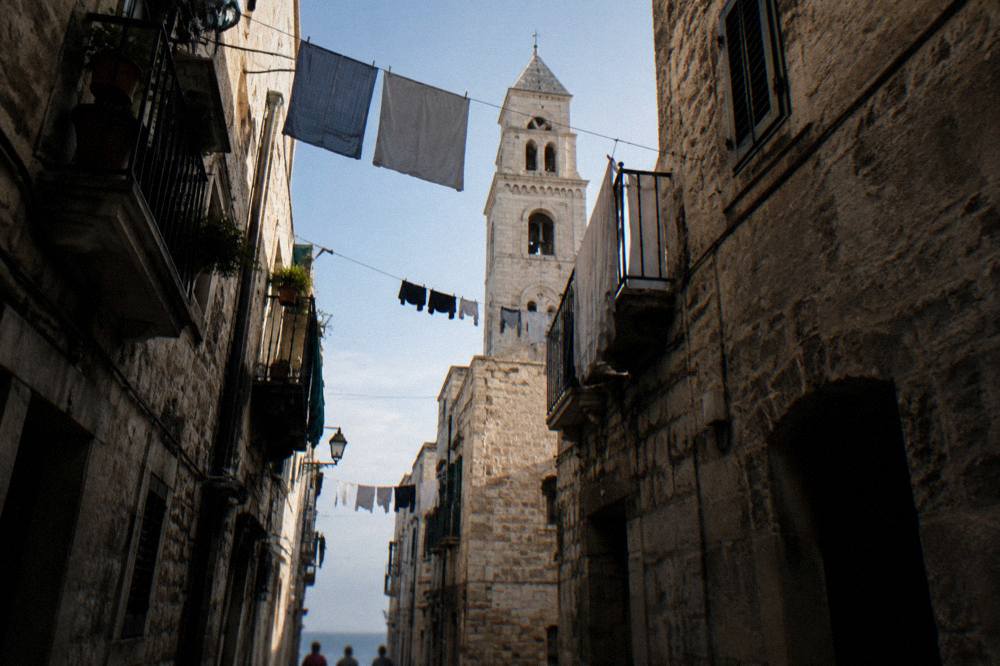
Strada delle orecchiette is the popular name for Strada Arco Basso, a lane in Bari Vecchia, the old town of Bari, the capital of the Puglia region on the Adriatic coast of southern Italy. Orecchiette is the pasta shape of Puglia, and the lane's association with fresh pasta is what gave it the nickname. The street itself is unremarkable in the best way: pale stone, wooden doorways, laundry lines above, and the sea a few minutes away past the Muraglia.
What Is Strada Delle Orecchiette In Bari?
Strada delle orecchiette is the nickname of Strada Arco Basso, a narrow lane inside Bari Vecchia, the old town of Bari in Puglia. Orecchiette is the pasta shape of Puglia, and the lane's association with fresh pasta gave the street its name. The lane lies within walking distance of Piazza Mercantile, the Basilica di San Nicola and the Castello Normanno-Svevo.
Bari Vecchia is the old town on the headland between the old port and the modern city. Its street plan is a web of lanes that predates the grid of the Murat district to the south, and Strada Arco Basso is one of those lanes, running through the heart of the quarter. The name means "lower arch street", and like its neighbour Strada Arco Alto it belongs to the fabric of the medieval town rather than to any formal attraction.
What the lane is known for is pasta. Orecchiette, the "little ears" of Puglia, are the regional pasta shape, and the lane's pasta association is the reason guidebooks and food writers single it out. The old town of Bari Vecchia holds plenty besides: the Basilica di San Nicola with the relics of Saint Nicholas, the Cattedrale di San Sabino, the two squares of Piazza Mercantile and Piazza del Ferrarese, and the Swabian castle on the edge of the quarter.
There is no ticket, no gate and no set opening time for a public street. You walk in from Piazza Mercantile or from the Muraglia side, and you walk out again.
Where Is Strada Arco Basso And How Do You Get There From Central Bari?
Strada Arco Basso sits inside Bari Vecchia, a few minutes on foot from Piazza Mercantile, the central square of the old town of Bari. Bari Centrale, the main railway station, is south of the old town in the Murat grid, and the walk from the station to the old town crosses Piazza del Ferrarese. AMTAB city buses cost 1.00 euro for a single ride.
The simplest approach is on foot. From Bari Centrale you walk north through the Murat district, along or beside Via Sparano, the shopping street, until you reach Piazza del Ferrarese at the southern mouth of the old town. From there the lanes of Bari Vecchia open up, and Piazza Mercantile, the castle and the basilica are all inside a compact area. The tourist information point is reported at Piazza del Ferrarese 29, so the first square is also the natural place to ask a question.
If you are staying outside the centre or arriving from the beaches, the city bus network is the practical option. The AMTAB fare table lists a single ticket at 1.00 euro, a 90-minute ticket at 1.20 euro and a day ticket at 2.50 euro. Service changes during works are posted by the operator, so check the AMTAB site before you travel.
One warning matters more than any timetable. Bari Vecchia is a limited traffic zone, and from 1 July 2026 a camera gate has been active at the Castello, where piazza Federico II di Svevia meets piazza Massari, with weekday entry windows of 09:00 to 11:00 for authorised vehicles. Do not drive into Bari Vecchia in a rental car. Park outside the old town and walk in, or leave the car at your accommodation and use buses and trains.
The distances below are computed road distances from Piazza Mercantile, the square at the centre of the old town, and they give a sense of how compact the area around Strada Arco Basso is.
| Route from Piazza Mercantile | Distance by road | Free-flow drive time |
|---|---|---|
| Bari Centrale station | inside the Murat grid, a short walk north of the station | walk |
| Pane e Pomodoro beach | about 2.1 km | about 36 minutes on foot |
| Torre Quetta beach | about 3.9 km | drive or bus |
| Karol Wojtyla airport (BRI) at Palese | 12.0 km | about 21 minutes |
The airport row deserves its own note. The Ferrotramviaria airport train takes 17 minutes from the terminal station to Bari Centrale and a single costs 5.30 euro under the 2026 tariff, with a contactless card accepted at the gate. The Tempesta shuttle coach costs 5 euro, and a taxi to a city-centre hotel is a predetermined 25 euro fare. AMTAB line 16 also links the station and the airport.
What Can You See Around Strada Delle Orecchiette In Bari Vecchia?
Around Strada Arco Basso, inside Bari Vecchia in Bari, you can reach the Basilica di San Nicola, open Monday to Saturday 06:30 to 20:30 and Sunday 06:30 to 22:00, the Castello Normanno-Svevo at 10 euro full and 2 euro reduced, and the two squares of Piazza Mercantile and Piazza del Ferrarese, all within a short walk.
Start with the basilica, the spiritual centre of the old town. Its own page lists the hours above and mentions no admission fee. The relics of Saint Nicholas rested at Myra for about 750 years, from 337 to 1087, were brought to Bari by sailors in 1087 and placed in the crypt in 1089, and the story is told in more detail on the Basilica di San Nicola page of this site.
The Swabian castle stands at the edge of the old town. The Musei Puglia ticket page lists 10 euro full and 2 euro reduced, Tuesday to Sunday 09:00 to 19:00, with Sunday openings of 09:00 to 13:30 from October to March except the first Sunday of each month, when the full hours apply. A Puglia Musei Card at 20 euro covers all the regional Musei Puglia sites for six months, which pays off if the castle is one of several state museums on your list.
The Cattedrale di San Sabino stands in the old town. Check the current visiting arrangements locally, since no official hours figure is carried here. Between the churches, Piazza Mercantile and Piazza del Ferrarese are the two squares that anchor the quarter, and the Piazza Mercantile page covers what sits around them.
Two museums sit just outside the lanes. The Pinacoteca Metropolitana Corrado Giaquinto on the Lungomare Nazario Sauro is open Tuesday to Saturday 09:00 to 19:00 and Sunday 09:00 to 13:00, closed Monday, at 5 euro full and 2 euro reduced, with an 8 euro combined ticket. The Museo Archeologico di Santa Scolastica shares those hours pattern and the same combined ticket, and is free on the first Sunday of the month. The Teatro Petruzzelli, the opera house beside the old town, runs guided tours at 7 euro full and 2 euro reduced, with dated slots published monthly on the foundation's page.
| Sight in or beside Bari Vecchia | Ticket | Hours (per the official page) |
|---|---|---|
| Basilica di San Nicola | no admission fee mentioned | Mon-Sat 06:30-20:30, Sun 06:30-22:00 |
| Castello Normanno-Svevo | 10 EUR full, 2 EUR reduced | Tue-Sun 09:00-19:00 |
| Pinacoteca Metropolitana Corrado Giaquinto | 5 EUR full, 2 EUR reduced, 8 EUR combined | Tue-Sat 09:00-19:00, Sun 09:00-13:00, closed Mon |
| Museo Archeologico di Santa Scolastica | 5 EUR full, 2 EUR reduced, 8 EUR combined | Tue-Sat 09:00-19:00, Sun and holidays from 09:00 |
| Teatro Petruzzelli guided tours | 7 EUR full, 2 EUR reduced | dated slots published monthly |
How Does Orecchiette Fit Into Eating In Bari?
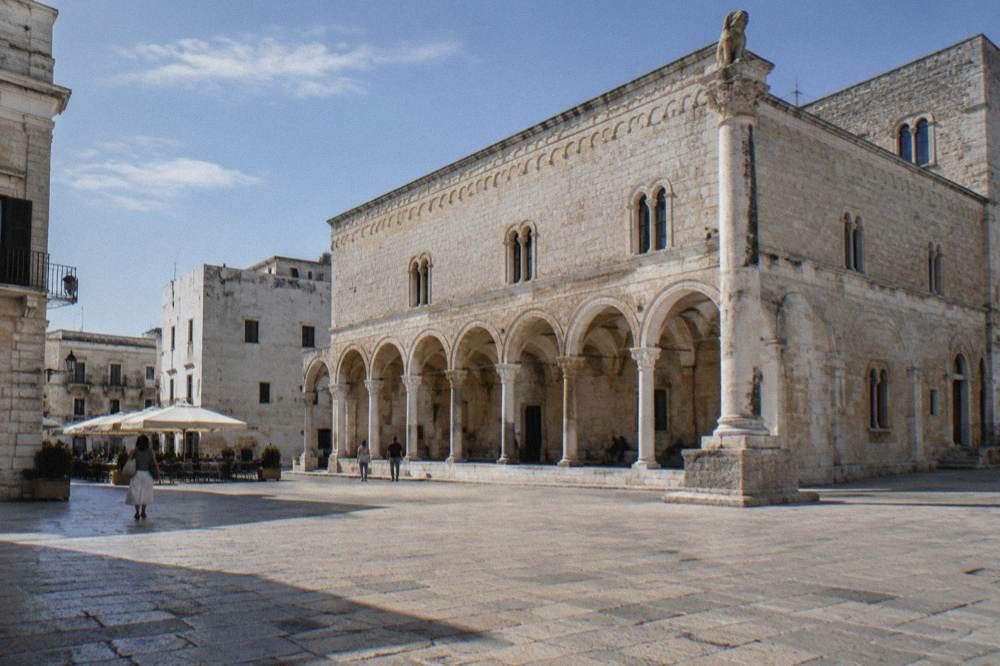
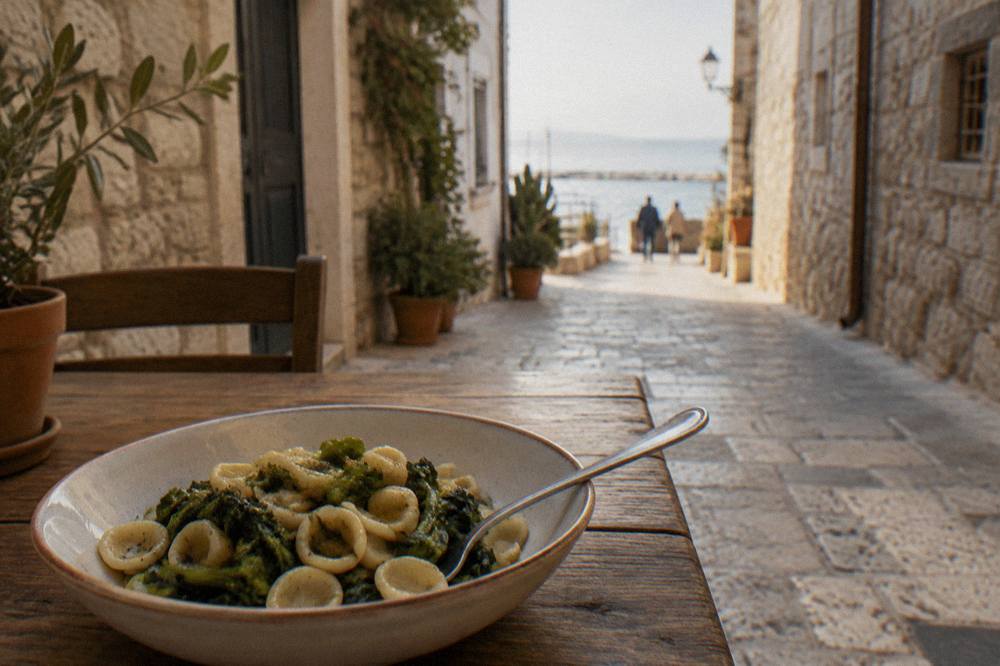
Orecchiette is the pasta shape of Puglia, and in Bari it sits at the centre of the city's food identity alongside panzerotti, focaccia barese, sgagliozze and raw seafood such as ricci and frutti di mare. Strada Arco Basso carries the pasta name, but the dishes are eaten across Bari Vecchia and the Murat district alike.
Each of those dishes can be described in one line. Panzerotti are fried filled pockets of dough. Focaccia barese is the local flatbread baked with tomatoes and olives. Sgagliozze are fried polenta squares. Ricci are sea urchins, served raw, and frutti di mare is the raw shellfish of the Adriatic. None of these belongs to a single address, and no shop, bakery or restaurant is named on this page, because what matters for a visitor is the category, not a brand.
The honest way to encounter the food is either to wander and buy what looks good, checking posted prices as you go, or to book a guided food walk where stops and tastings are organised for you. The site's Bari street food guide covers the pasta in detail, and the tours below are the bookable versions: one walks the old town with focaccia and gelato, one is a full cooking class where you make pasta yourself with wine, and one is a history walk for the days you want the stones rather than the sauce.
A cooking class is the natural companion to a visit to the pasta lane, because it turns a look into a skill. You can Check availability for the class on the operator's live listing, and the same listing carries the current price and any cancellation terms.
What Is The Best Way To See Bari Vecchia On Foot?
The best way to see Bari Vecchia from Strada Arco Basso is a loop on foot: Piazza del Ferrarese north to Piazza Mercantile, past the Cattedrale di San Sabino to the Basilica di San Nicola, out to the Muraglia sea wall, and back along the castle to the ZTL gate at piazza Federico II di Svevia. Every step of it is car-free lanes and squares.
The loop works because the old town is small and everything faces everything else. From Strada Arco Basso you are never more than a few minutes from a church, a square or the sea. The Muraglia is the sea wall on the north side of the quarter, and from it the old port opens below at Molo San Nicola, the quay where the fish market of the old port sits; the market's days and hours should be confirmed locally. The Teatro Margherita, the theatre building that stands out over the water, and the Fortino di Sant'Antonio Abate, the little fort on the sea, complete the waterfront side.
Guided walks compress this loop and add the stories the stones do not carry themselves. A history walk covers the old town end to end, and it pairs well with a morning on the pasta lane, since the two routes overlap in the same handful of lanes.
If you would rather move faster than walking pace, a bike or rickshaw tour of the old town is another format the site lists, and the one day in Bari itinerary page shows how a morning in Bari Vecchia fits with an afternoon on the seafront or a trip out to the beaches.
| Bari Vecchia waypoint | What it is |
|---|---|
| Strada Arco Basso | the lane known as strada delle orecchiette, inside the old town |
| Piazza Mercantile and Piazza del Ferrarese | the two squares at the heart of the quarter |
| Basilica di San Nicola | the church holding the relics of Saint Nicholas, brought to Bari in 1087 |
| Cattedrale di San Sabino | the cathedral of Bari, near the basilica |
| Castello Normanno-Svevo | the Swabian castle at the edge of the old town, 10 EUR full |
| Muraglia | the sea wall on the north side of Bari Vecchia |
| Molo San Nicola | the old-port quay below the wall |
| Teatro Margherita | the theatre building standing over the water |
| Fortino di Sant'Antonio Abate | the small fort on the sea |
When Is The Best Time Of Year To Visit Strada Delle Orecchiette In Bari?
May, June, September and October bring typical daily highs that run from 21.6 C to 25.1 C and monthly rainfall that stays between 35 mm and 63 mm, per typical values from modelled ERA5 data, 1991 to 2020. July and August average daily highs of 28.6 C and 29.1 C, which pushes sightseeing to the morning hours.
The climate table for Bari, from modelled ERA5 data for 1991 to 2020, shows the shape of the year. Rainfall totals about 587 mm a year, with November at 73 mm and August at 20 mm, and July and August average about four rain days each. Winters are mild rather than harsh: January and February mean daily highs sit about 12 C, and the old town is walkable year-round.
| Month | Mean daily high | Mean daily low | Rain |
|---|---|---|---|
| January | 12.1 C | 7.3 C | 60 mm |
| April | 17.5 C | 11.2 C | 54 mm |
| May | 21.6 C | 15.3 C | 35 mm |
| July | 28.6 C | 22.0 C | 22 mm |
| August | 29.1 C | 22.4 C | 20 mm |
| October | 21.1 C | 15.6 C | 63 mm |
| November | 16.9 C | 12.0 C | 73 mm |
Two events are worth building a trip around. The Festa di San Nicola runs 7 to 9 May by tradition, and the 2026 edition placed the corteo storico on Thursday 7 May at 20:00 from piazza Federico II di Svevia, right beside the castle. The Fiera del Levante, the trade fair on the seafront, closed its Campionaria in late September 2026. Early May and late September therefore combine fair weather with a city in festival mood.
Sea temperature, as a modelled range, runs about 27 C in July and August, about 22 C in October and about 14 C in February, so a swim after a morning in the old town is a summer and early-autumn pleasure. The best time to visit Bari overview on this site's root page carries more on planning the whole trip.
How Far Are The Day Trips From Strada Delle Orecchiette And Bari?
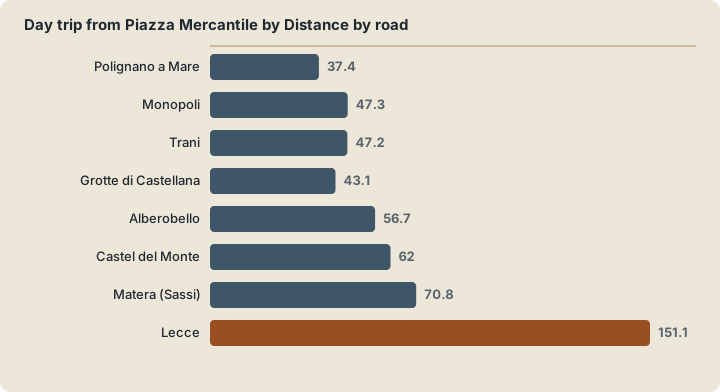
The classic day trips from Bari are Polignano a Mare at 37.4 km and about 36 minutes by road from Piazza Mercantile, Monopoli at 47.3 km, Alberobello at 56.7 km, Castel del Monte at 62.0 km and Matera at 70.8 km. Matera is in Basilicata, not Puglia, so that day trip crosses a regional border.
The train is often the easier choice for the coastal towns. Trenitalia regional trains on the Bari-Lecce line serve Polignano a Mare at 33 km, Monopoli at 41 km, Ostuni at 75 km and Lecce at 150 km along the line, with Polignano typically 25 to 35 minutes from Bari Centrale; check the operator's timetable for times and fares. For the Valle d'Itria, the Trulli Link service links Trenitalia and FSE trains to Locorotondo, Alberobello and Martina Franca, with the FSE leg reported at 5.90 euro on top of the rail fare. FAL runs the railway line from Bari through Altamura and Gravina in Puglia to Matera.
| Day trip from Piazza Mercantile | Distance by road | Free-flow drive time |
|---|---|---|
| Polignano a Mare | 37.4 km | about 36 minutes |
| Monopoli | 47.3 km | about 43 minutes |
| Trani | 47.2 km | about 45 minutes |
| Grotte di Castellana | 43.1 km | about 47 minutes |
| Alberobello | 56.7 km | about 61 minutes |
| Castel del Monte | 62.0 km | about 59 minutes |
| Matera (Sassi) | 70.8 km | about 69 minutes |
| Lecce | 151.1 km | about 115 minutes |
Castel del Monte, a UNESCO World Heritage site inscribed in 1996, costs 10 euro full and 2 euro reduced, open daily 10:00 to 18:45 from 1 April to 30 September and 09:00 to 17:45 from 1 October to 31 March, last entry 45 minutes before closing. The Grotte di Castellana full route, 3 km in about 100 minutes, costs 25 euro for ages 15 and over, and the partial route of 1 km in about 50 minutes costs 22 euro. Egnazia museum and park is 10 euro, the Swabian castle of Trani is 8 euro, and the Altamura National Archaeological Museum is 5 euro.
| Day-trip site | Full ticket | Reduced | Hours (per the official page) |
|---|---|---|---|
| Castel del Monte | 10 EUR | 2 EUR | daily 10:00-18:45 Apr-Sep, 09:00-17:45 Oct-Mar |
| Grotte di Castellana, full route | 25 EUR (15+) | 22 EUR (6-14) | check the site's calendar before booking |
| Egnazia museum and park | 10 EUR | 2 EUR | Mon-Sat and first Sunday 08:30-19:30 |
| Swabian castle of Trani | 8 EUR | 2 EUR | Mon-Sat 08:30-19:30, Sun 08:30-13:30 |
| Altamura National Archaeological Museum | 5 EUR | 2 EUR | Mon-Fri 08:30-19:00, Sat-Sun 08:30-13:30 |
Organised day tours are the alternative to trains for the inland towns, above all the pairing of Alberobello, the town of trulli and a UNESCO World Heritage site, with Matera and its Sassi. The trio below covers both food and sightseeing formats from Bari, with the stops, times and prices rendered from the listings.
Do You Need A Tour To Enjoy Strada Delle Orecchiette And Bari Vecchia?
You do not need a tour to walk Strada Arco Basso, since the lane and the squares of Bari Vecchia are public streets with free access at any hour. A guided food walk or cooking class adds structure and tastings, and the street food format pairs focaccia and gelato with the lanes themselves, but the old town itself charges nothing to enter.
The decision comes down to what you want from the visit. Walking alone costs nothing and lets you set your own pace between the basilica, the castle and the sea wall. A food walk organises the tastings, and a cooking class turns the pasta from something you photograph on Strada Arco Basso into something you can make at home. History walks add the layer of dates and stories, from the arrival of Saint Nicholas's relics in 1087 to the rebuilding of the Teatro Petruzzelli after the fire on the night of 26 to 27 October 1991, which is reported on the theatre's history pages.
Practical rules apply whichever you choose. Keep bags zipped and in front on crowded buses, check posted prices before you order, and read the itemised bill when it comes. The emergency number in Italy is 112. If you drive in from elsewhere, park outside Bari Vecchia, because the ZTL camera gate does not distinguish visitors from residents, and the perimeter parking near the old town is paid on working days from 08:30 to 20:30.
Common Questions About Strada Delle Orecchiette In Bari
What is strada delle orecchiette in Bari?
It is the nickname of Strada Arco Basso, a lane in Bari Vecchia, the old town of Bari in Puglia. Orecchiette is the pasta shape of Puglia, and the lane's association with fresh pasta gave it the name.
Is strada delle orecchiette free to visit?
Yes. Strada Arco Basso is a public street in Bari Vecchia with no ticket and no gate. The paid sights nearby are the Castello Normanno-Svevo and the museums on the Lungomare Nazario Sauro.
Where is Strada Arco Basso exactly?
Inside Bari Vecchia, the old town of Bari, a few minutes on foot from Piazza Mercantile and Piazza del Ferrarese, and within the same quarter as the Basilica di San Nicola, the Cattedrale di San Sabino and the Swabian castle.
Can you drive to strada delle orecchiette?
No. Bari Vecchia is a limited traffic zone, and from 1 July 2026 a camera gate is active at the Castello with weekday authorised-vehicle windows of 09:00 to 11:00. Park outside the old town and walk in.
What food is Bari famous for around the pasta lane?
Orecchiette is the pasta shape of Puglia. Around it sit panzerotti, fried filled pockets of dough, focaccia barese, the local flatbread, sgagliozze, fried polenta squares, and raw seafood such as ricci and frutti di mare.
How much time do you need for Strada Arco Basso and Bari Vecchia?
The lane itself takes minutes, but the surrounding old town rewards half a day: the basilica, the cathedral, the castle at 10 euro, the two squares and the Muraglia sea wall are all inside a compact area, and the Bari Italy Travel Guide root page lays out how to sequence them.