Bari In Winter: Weather, Closures And What Still Works
Bari, the capital of Puglia on the Adriatic coast of southern Italy, keeps working through the winter. Here is what the climate table actually says, which museums and churches keep their hours, and which day trips hold up between November and March.
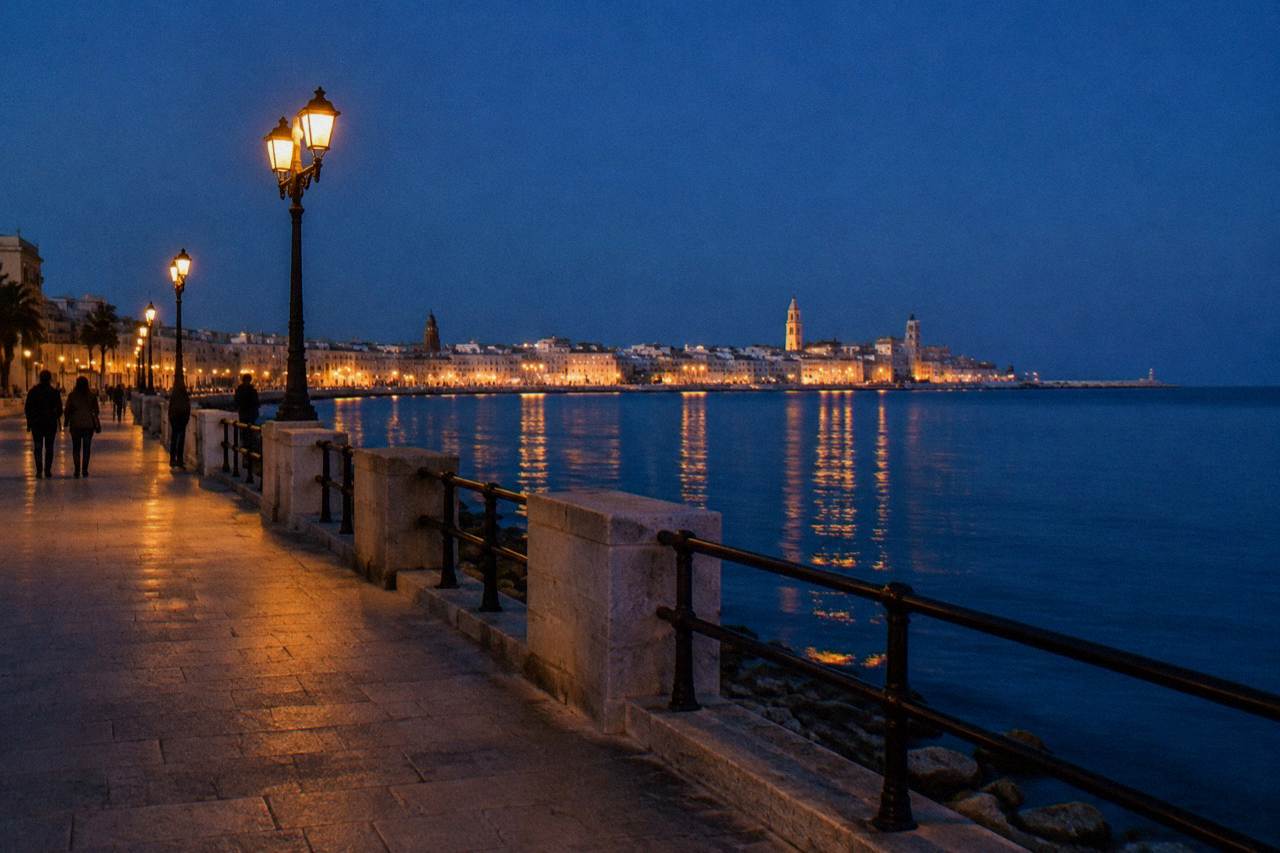
Short answer
Winter in Bari is mild rather than warm: typical values from modelled ERA5 data, 1991 to 2020, put January highs at 12.1 C and lows at 7.3 C, with about 60 mm of rain and 9.5 rain days in the month. The basilica, the Swabian castle and the main museums all keep winter hours, and the day-trip towns inland stay reachable by train and bus.
Bari, the capital of the Puglia region on the Adriatic coast of southern Italy, does not shut down between November and March. The city of about 316,000 residents keeps its basilica, its Swabian castle, its theatres and its trattorie running through the coolest months, and the seaside promenade stays open to walkers whatever the temperature. Winter here is a Mediterranean winter: jackets yes, snow essentially not, and a slower rhythm that suits the old town of Bari Vecchia and the grid streets of the Murat district. This guide sets out what the climate figures actually say, which opening hours hold, which close early, and which of the famous day trips, from Polignano a Mare to Matera in neighbouring Basilicata, still make sense on a short December day. For the full picture of the city across all seasons, start with things to do in Bari and the seasonal breakdown in the best time to visit Bari.
What Is Winter Weather Like In Bari?
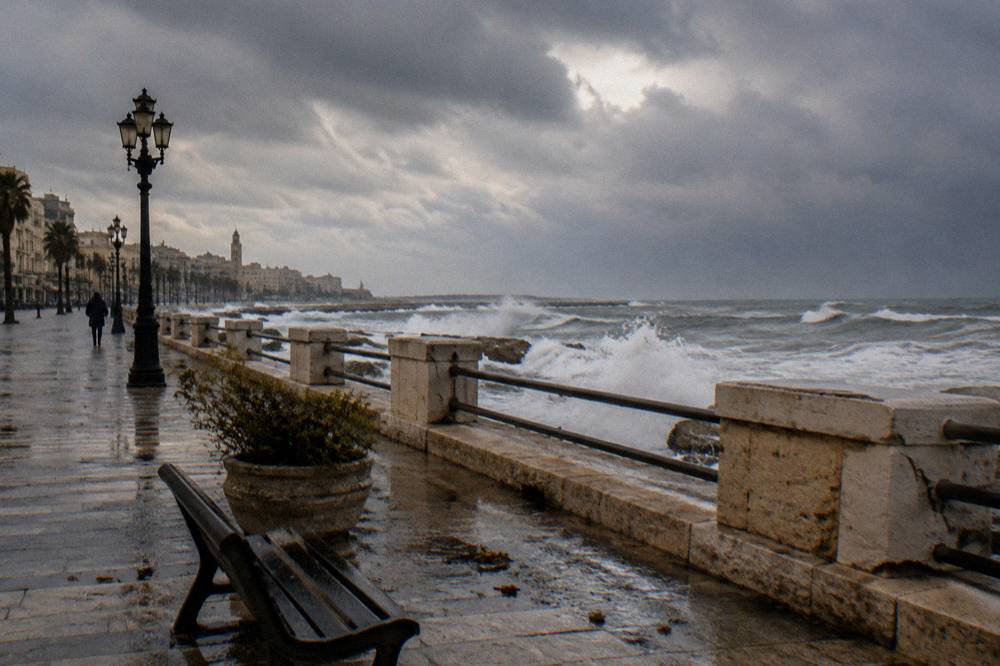
Winter in Bari is mild and damp rather than cold: typical values from modelled ERA5 data, 1991 to 2020, put January highs at 12.1 C and lows at 7.3 C, February highs at 12.5 C and lows at 7.2 C, and December highs at 13.2 C. Rainfall runs 58 to 63 mm a month across the three winter months, with 9.4 to 9.6 rain days of at least 1 mm each.
The sea is not swimming weather: modelled 2023 to 2025 means put February sea temperature at about 14 C.
That is the honest version of a Bari winter. Days sit around 12 C on average, which means a coat but not arctic gear, and the rain arrives in spells rather than as a permanent state. November carries 73 mm across the year's rainiest stretch and August only 20 mm, so a winter visitor should plan for wet afternoons without assuming every day brings one. The contrast with summer is sharp: July and August average mean daily maxima of 28.6 and 29.1 C, while January and February sit near 12 C by day and 7 C by night. Frost is not part of the picture these figures describe.
| Month | Mean daily max C | Mean daily min C | Rain mm | Rain days (1 mm+) |
|---|---|---|---|---|
| November | 16.9 | 12.0 | 73 | 8.9 |
| December | 13.2 | 8.7 | 63 | 9.6 |
| January | 12.1 | 7.3 | 60 | 9.5 |
| February | 12.5 | 7.2 | 58 | 9.4 |
| March | 14.7 | 8.8 | 58 | 9.4 |
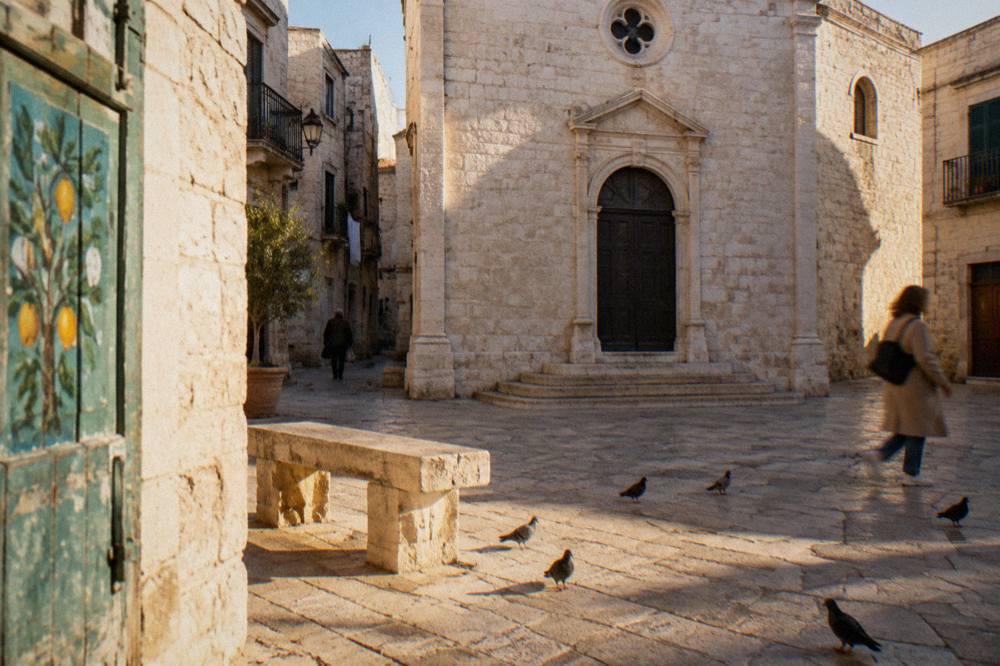
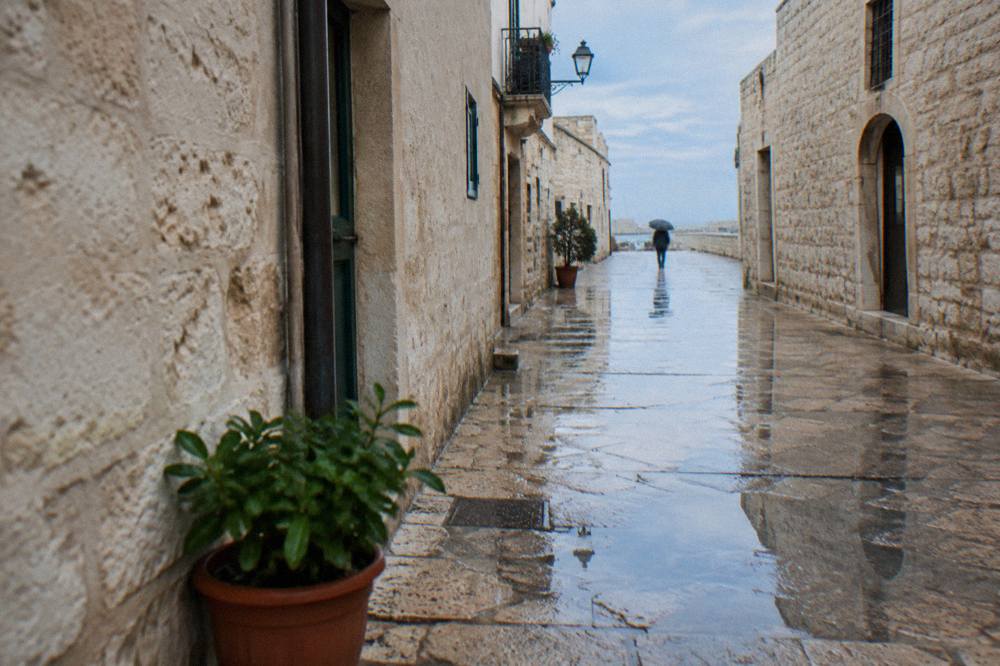
The practical read: layers, a waterproof layer rather than heavy insulation, and shoes that handle wet stone, because the lanes of Bari Vecchia are polished rock and they get slippery in rain. Daylight is the other constraint. With roughly 9 to 10 hours of light in December and January, sightseeing that benefits from daylight, such as the Lungomare Nazario Sauro walk or a trip out to Castel del Monte, is better placed in the morning. More month-by-month detail sits in the Bari weather guide.
What Stays Open In Bari In Winter?
The Basilica di San Nicola keeps the same hours year-round, Monday to Saturday 06:30 to 20:30 and Sunday 06:30 to 22:00, with no admission fee mentioned on its page. The Swabian castle is open Tuesday to Sunday 09:00 to 19:00, with winter Sunday hours of 09:00 to 13:30 from October to March except the first Sunday of each month, when it opens to 19:00. The Pinacoteca and the Museo Archeologico di Santa Scolastica keep full winter schedules, closed Mondays.
The headline churches and museums do not pause for winter, and the castle's schedule actually contains a detail worth knowing: the shorter Sunday opening runs only from October to March, and on the first Sunday of each month the full 09:00 to 19:00 day returns. A full castle ticket is 10 EUR, a reduced ticket 2 EUR, per the Musei Puglia ticket page, and the castle appears among the state museums offering free entry on the first Sunday of the month. The Museo Nicolaiano, beside the basilica, is reported at about 10:30 to 18:00 with a Wednesday closure listed in one bulletin, so confirm before you go.
| Site | Winter hours | Ticket |
|---|---|---|
| Basilica di San Nicola | Mon to Sat 06:30 to 20:30, Sun 06:30 to 22:00 | No fee mentioned |
| Castello Normanno-Svevo | Tue to Sun 09:00 to 19:00, Sun 09:00 to 13:30 Oct to Mar, first Sunday to 19:00 | 10 EUR, 2 EUR reduced |
| Pinacoteca Metropolitana Corrado Giaquinto | Tue to Sat 09:00 to 19:00, Sun 09:00 to 13:00, closed Monday | 5 EUR, 2 EUR reduced, 8 EUR combined |
| Museo Archeologico di Santa Scolastica | Tue to Sat 09:00 to 19:00, Sun from 09:00 | 5 EUR, 2 EUR reduced, free first Sunday |
| Teatro Petruzzelli guided tours | Dated slots published monthly | 7 EUR, 2 EUR reduced |
Two extras round this out. The Puglia Musei Card, at 20 EUR, covers all the Direzione regionale Musei Puglia sites for six months, which matters if the castle and Castel del Monte are both on a winter itinerary. And the Teatro Petruzzelli, which reopened in 2009 after the fire reported on the night of 26 to 27 October 1991, sells guided tours of the foyer and stalls at dated monthly slots, a warm afternoon option when rain closes the seafront. The theatre's opera season runs through the winter months, so an evening performance is a real possibility; check the current calendar on the official ticket page before booking.
A guided walk ties the open sights together neatly on a short day, and the departure point is central. The guided walking tour of Bari leaves from Bari and covers Bari Vecchia in a compact loop, which suits December daylight.
What To Do In Bari In Winter When The Days Are Short?
The winter shortlist is food, architecture and interiors: the orecchiette makers of Strada Arco Basso, the focaccia barese counters of the Murat district, the Petruzzelli tour, the Pinacoteca's collection and the old town lanes, all of which sit within walking distance of each other and none of which needs a warm afternoon. Sea swimming is off the table, with February sea temperature modelled at about 14 C, and the city beaches turn from bathing spots into walking coastline.
Winter rewards the indoor-and-street-food version of Bari. The Bari street food circuit, panzerotti, focaccia barese and raw seafood among the names, works in any temperature, and a cooking class moves the whole experience indoors. The orecchiette in Bari story is the pasta shape of Puglia, and the pasta is rolled by hand in the old town in a tradition the street is known for, though no daily schedule is published, so treat Arco Basso as a street to walk rather than a show with set times.
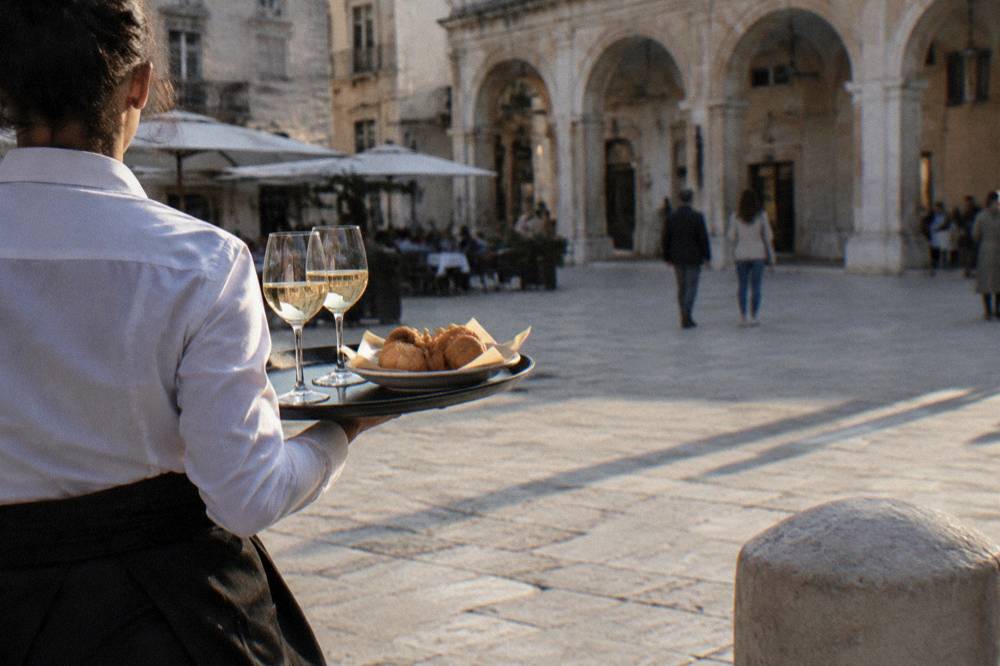
For rainy afternoons, the museum pair on the Lungomare Nazario Sauro side of town is the answer: the Pinacoteca Metropolitana Corrado Giaquinto and the Museo Archeologico di Santa Scolastica share a combined 8 EUR ticket valid across two days, which turns two wet afternoons into one purchase. The rainy day in Bari guide expands this list further. An archaeologist-led underground tour of Bari Vecchia is another interior option, and it departs from the city centre.
Evenings are a winter strength. The Teatro Petruzzelli's season is in full swing, and the theatre's tour plus an early dinner in the Murat district makes a full cold-day programme. The Bari restaurants guide covers the city's dining streets; posted prices and the itemised bill are the simple checks to run anywhere, and 112 is the emergency number across Italy.
Which Day Trips From Bari Work In Winter?
The big day trips all remain reachable in winter: Castel del Monte keeps daily hours of 09:00 to 17:45 from 1 October to 31 March with a 10 EUR ticket, the Grotte di Castellana caves are a fixed 14 C-style indoor experience with a 25 EUR full route, and Trani's Swabian castle opens 08:30 to 19:30 Monday to Saturday.
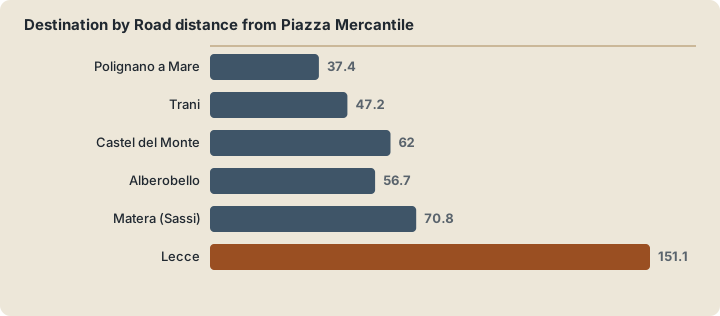
Rain matters little for the caves and the castles, and shorter daylight matters most for the far trips, Lecce at 151 km by road and Matera at about 71 km.
The distance table below uses road distances and free-flow drive times from Piazza Mercantile, and the winter logic follows from it. Anything under an hour each way survives a short day comfortably. Lecce, at 151.1 km and about 115 minutes, is a long outing in December and earns a return trip or an overnight instead; the Bari to Lecce guide covers the rail line's 150 km alternative. Matera is about 71 km away by road, and the FAL railway reaches it from Bari; check the operator's timetable for the day you travel.
| Destination | Road distance from Piazza Mercantile | Free-flow drive time |
|---|---|---|
| Polignano a Mare | 37.4 km | about 36 min |
| Trani | 47.2 km | about 45 min |
| Castel del Monte | 62.0 km | about 59 min |
| Alberobello | 56.7 km | about 61 min |
| Matera (Sassi) | 70.8 km | about 69 min |
| Lecce | 151.1 km | about 115 min |
Winter resets the ranking of these trips. The Grotte di Castellana, with a full route of 3 km taking about 100 minutes at 25 EUR for ages 15 and over and a partial 1 km route at 22 EUR, is weather-proof by nature. Castel del Monte, the octagonal UNESCO site inscribed in 1996, is an interior visit with an exterior walk, so a clear winter morning suits it; its October-to-March day runs 09:00 to 17:45 with last entry 45 minutes before closing. The Trulli of Alberobello and the Sassi di Matera are both UNESCO World Heritage sites and neither closes for the season; routes to Alberobello run through the Trulli Link, which ties Trenitalia and FSE services to Locorotondo, Alberobello and Martina Franca, with the FSE leg reported at 5.90 EUR on top of the rail fare, confirm before you go. The wider set of guides lives on Bari Italy Travel Guide.
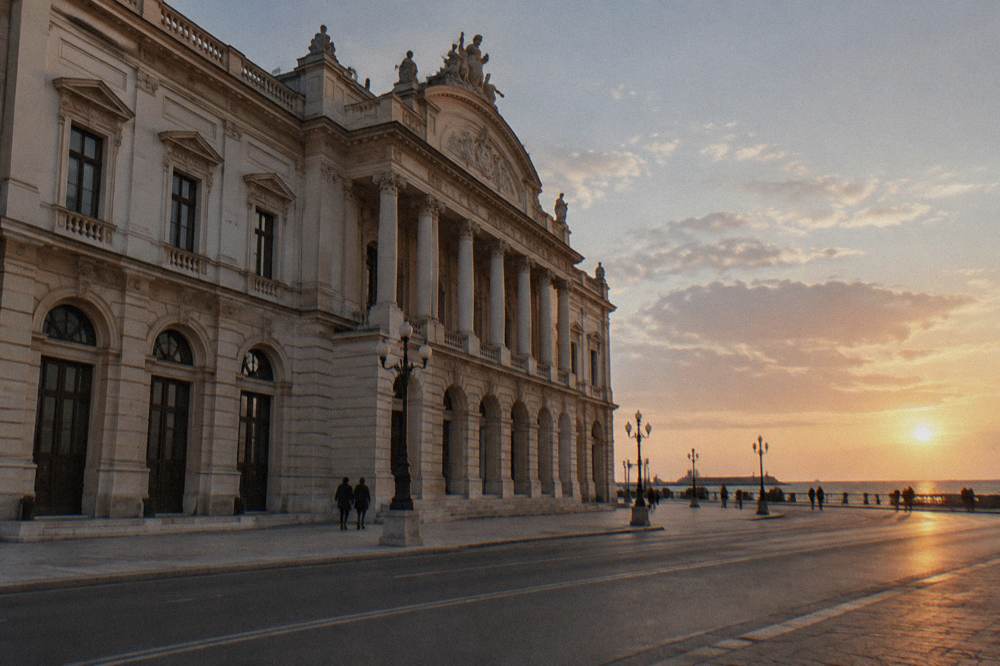
Trani deserves a winter-specific mention: its Swabian castle opens Monday to Saturday 08:30 to 19:30 and Sunday 08:30 to 13:30 at 8 EUR full and 2 EUR reduced, a schedule that holds through the cold months, and the town is 47.2 km away. The Altamura National Archaeological Museum, at 5 EUR full and 2 EUR reduced, runs Monday to Friday 08:30 to 19:00 and weekends 08:30 to 13:30, and pairs with Castel del Monte on the same road. Individual town guides, Bari to Alberobello, Bari to Matera and Bari to Polignano a Mare, carry the transport detail for each.
Does Anything In Bari Close Or Change For Winter?
No city-wide shutdown happens, but three things shift: the castle's Sunday opening drops to 09:00 to 13:30 from October to March except the first Sunday, the beaches stop functioning as beaches, and beach facilities and charges along the coast vary by season and should be confirmed locally. The Basilica di San Nicola does not change hours at all, and the state museums run their full weekly schedules with Monday closures at the Pinacoteca.
The pattern is seasonal trimming, not closure. The city beaches, Pane e Pomodoro about 2.1 km from Piazza Mercantile, Torre Quetta about 3.9 km and San Girolamo about 4.3 km to the north-west, remain part of the coastline for walking, and the Bari beaches guide explains their layout. Bari itself holds no Blue Flag in 2026; the province's flags went to Polignano a Mare and Monopoli, and ARPA Puglia reports the region's bathing waters at 99.9 percent excellent with 78 bathing waters monitored in the province of Bari, which speaks to summer water quality rather than winter swimming conditions.
| Day-trip site | Winter hours | Full / reduced ticket |
|---|---|---|
| Castel del Monte | Daily 09:00 to 17:45, 1 Oct to 31 Mar | 10 EUR / 2 EUR |
| Grotte di Castellana | Routes year-round, full route about 100 min | 25 EUR (15+) / 22 EUR |
| Swabian castle of Trani | Mon to Sat 08:30 to 19:30, Sun 08:30 to 13:30 | 8 EUR / 2 EUR |
| Egnazia museum and park | Mon to Sat and first Sunday 08:30 to 19:30 | 10 EUR / 2 EUR |
| Altamura archaeological museum | Mon to Fri 08:30 to 19:00, weekends 08:30 to 13:30 | 5 EUR / 2 EUR |
Two events bracket the winter rather than sit inside it. The Bif&st film festival began its 17th edition on 21 March 2026, which places it in late March as the winter's exit, and the Festa di San Nicola runs 7 to 9 May by tradition, with the 2026 corteo storico departing piazza Federico II di Svevia at 20:00 on 7 May. A February or March visitor catches the quiet stretch before both. Christmas-period programming has no published official calendar to cite, so confirm locally what runs in December.
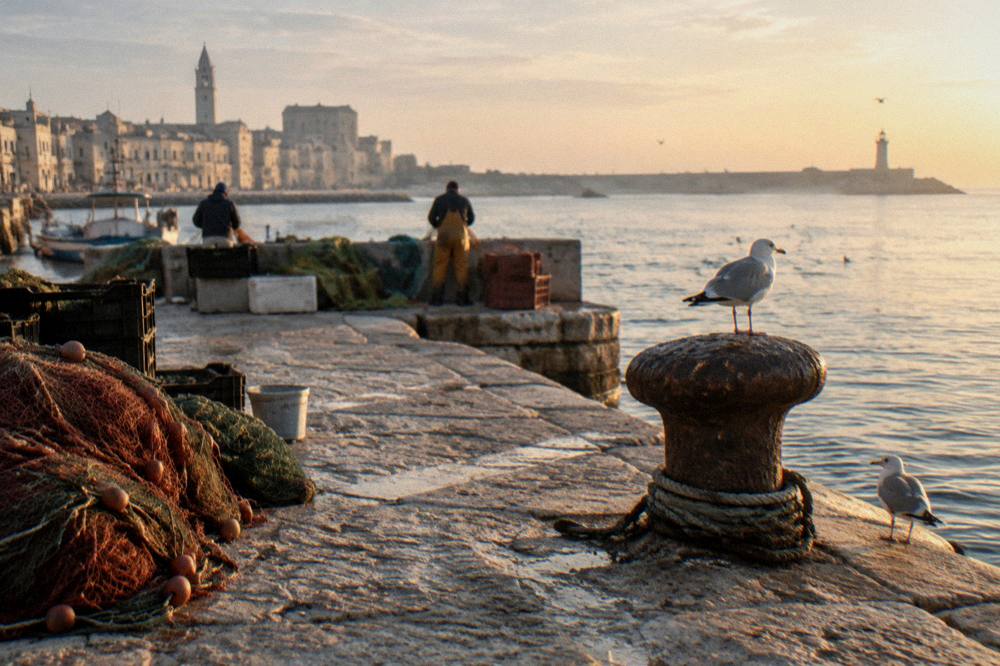
The old town's rhythms also matter to a winter plan. The fish market at Molo San Nicola and the orecchiette makers are known features of Bari Vecchia, but no official days, hours or prices are published for either, so walk the streets with expectations set accordingly. The Bari Vecchia guide maps the lanes, and a street-food tour of the old town, departing from Bari, is the reliable way to meet them on a cold day.
How Do You Get To And Around Bari In Winter?
Bari's Karol Wojtyla airport (BRI) at Palese sits 12.0 km and about 21 minutes by road from Piazza Mercantile, and the Ferrotramviaria airport train takes 17 minutes to Bari Centrale with a single fare of 5.30 EUR per the 2026 tariff. In the city, an AMTAB single is 1.00 EUR, a 90-minute ticket 1.20 EUR and a day ticket 2.50 EUR, and the airport taxi to a city-centre hotel is a predetermined 25 EUR.
Winter weather rarely disrupts any of this; the practical notes are ordinary ones. The airport station is inside the terminal, and a contactless card can be tapped at the gate under the Paga e Via system. The Tempesta shuttle coach costs 5 EUR bought on board or in the Cotrap app and is reported at about 30 minutes, confirm before you go. AMTAB line 16 links Bari Centrale and the airport as a slower, cheaper-sounding alternative, though its fare is the standard question to ask at the booth. The Bari airport to city centre and getting around Bari guides carry the full breakdown, and Bari airport covers the terminal itself.
Driving has one rule that holds in every season: do not drive into Bari Vecchia. The old town is a limited traffic zone, with a camera gate at the Castello, at piazza Federico II di Svevia by piazza Massari, active since 1 July 2026, and weekday entry windows of 09:00 to 11:00 for authorised vehicles, with a second afternoon window reported at 16:00 to 18:00. Perimeter parking near Bari Vecchia is paid on working days 08:30 to 20:30. Rental-car drivers should park outside and walk in, and the parking and driving in Bari guide lists the options. Service changes during works are posted by the operator, so a winter bus route can shift; check the AMTAB site on the day.
Trains fan out from Bari Centrale on the same schedules in winter. Trenitalia regional trains on the Bari-Lecce line serve Polignano a Mare at 33 km, Monopoli at 41 km, Ostuni at 75 km and Lecce at 150 km, with Polignano typically 25 to 35 minutes, a secondary figure worth confirming against the live timetable. FSE and FAL serve the inland towns, and the Bari train station guide explains the station layout, which matters in January when the forecourt works around piazza Moro can shift entrances.
The tourist tax is unchanged by season: 1.50 to 4.00 EUR per person per night by accommodation category, for a maximum of 4 consecutive nights per calendar year, collected by the accommodation, per the comune's page. The where to stay in Bari guide maps the districts, and winter is when the quieter, central choices pay off, since everything worth reaching sits within a short walk of either Bari Vecchia or the Murat grid.
Is Winter A Good Time To Visit Bari?
Winter is a good time to visit Bari if the plan is churches, museums, food and short day trips rather than beaches and swimming: January averages 12.1 C by day, the basilica and museums keep full hours, and the old town runs at its slowest pace of the year. It is the wrong season for the seaside version of Puglia, with February sea temperature modelled at about 14 C, and the far trips such as Lecce are squeezed by early dusk.
The trade is simple. Against winter stand the beach season, the long evenings and the ferry-and-boat rhythm of the coast; for winter stand lower crowds at the castle, a working city rather than a resort, theatre evenings, and walking weather that rarely demands more than a coat. A rider on the positive side: the Bari ferries page covers the year-round Albania routes, with Adria Ferries sailing Bari to Durres every day all year at about 8 hours, so winter crossings exist.
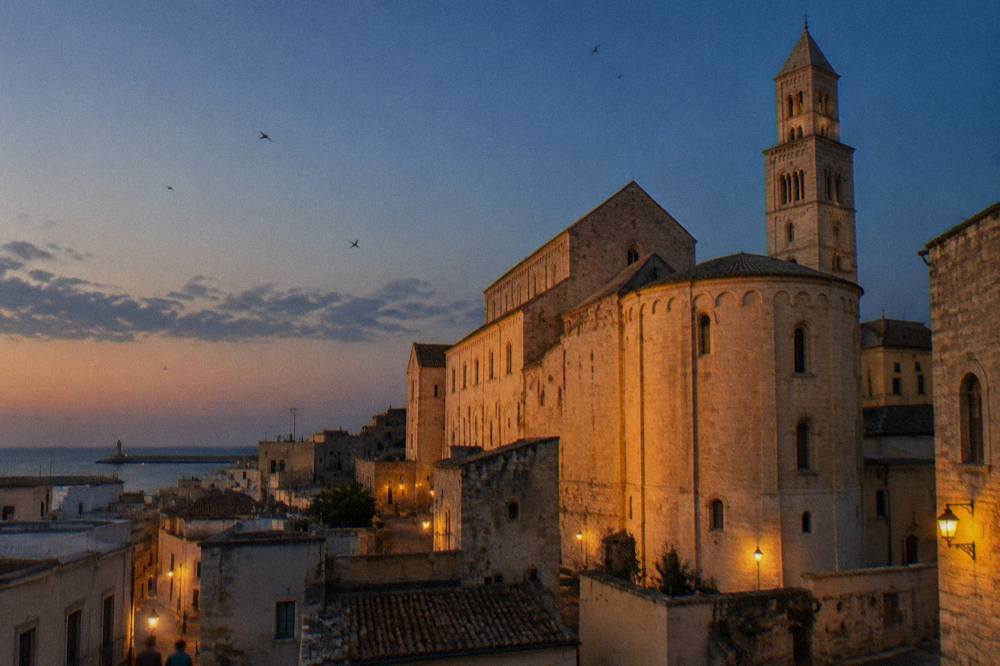
Length of stay shapes the verdict. Two days cover the old town, the Murat district and one museum day well in winter; the how many days in Bari guide scales the itinerary, and the one-day and two-day plans both transfer to winter with the beach hours swapped for interiors. A winter week opens the full day-trip ring, Alberobello, Matera, Castel del Monte, Trani and the caves, at a pace the short days can absorb.
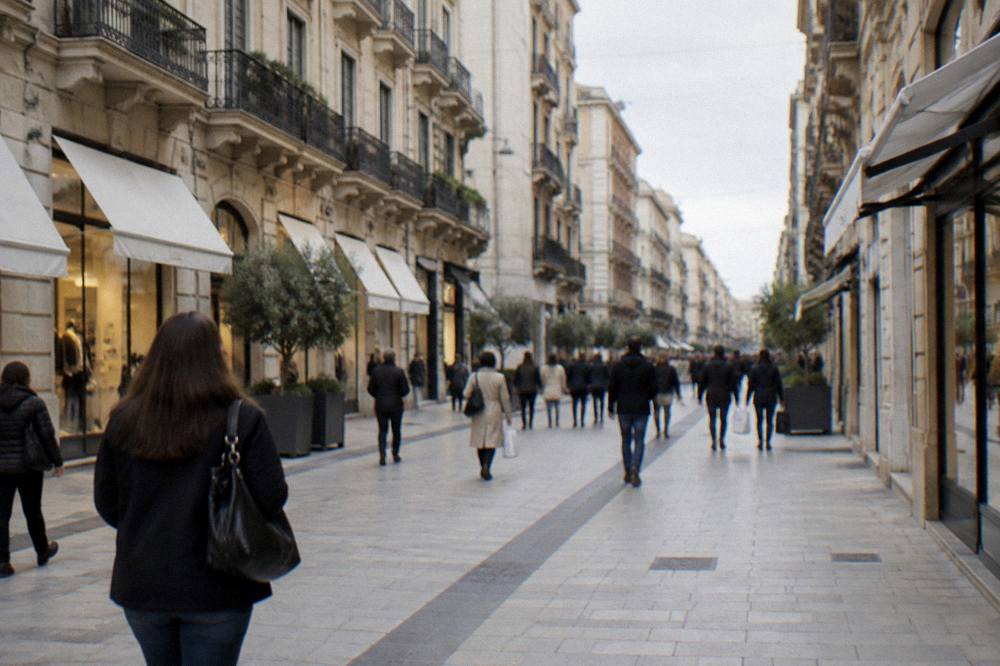
For a first visit built around the old town's lanes and the stories attached to them, a guided walk remains the strongest opening move, and it runs from central Bari in any season.
The second set of picks below holds the same shortlist for a winter trip, from the walking tour to the old town food walk to the Martina Franca tasting, each bookable with free cancellation so a rainy forecast does not lock the plan.
Winter in Bari is not a lesser version of the city; it is the city with the beach chapters removed and the indoor ones expanded. The basilica opens at 06:30 year-round, the castle keeps ten hours a day through January, and the trains to the hill towns run to the same printed boards. Bring the waterproof layer, book the theatre, and let the short days concentrate the trip inside the old walls.
Common Questions About Bari In Winter
Is Bari worth visiting in winter?
Yes, for churches, museums, food and short day trips. January averages a mean daily maximum of 12.1 C, the Basilica di San Nicola and the main museums keep their hours, and the old town runs year-round. The beach and boat season is what winter removes.
How cold does Bari get in winter?
Typical values from modelled ERA5 data, 1991 to 2020, put January at a mean daily maximum of 12.1 C and minimum of 7.3 C, with February at 12.5 C and 7.2 C. December sits between them at 13.2 C by day. These are jacket temperatures, not hard-freeze ones.
Does it rain a lot in Bari in winter?
The three winter months carry 58 to 63 mm of rain each, with 9.4 to 9.6 rain days of at least 1 mm per month. November is wetter still at 73 mm. Rain arrives in spells, so pack a waterproof layer and keep museum afternoons in reserve.
Is the Castello Normanno-Svevo open in winter?
Yes, Tuesday to Sunday 09:00 to 19:00, with Sunday hours of 09:00 to 13:30 from October to March except the first Sunday of each month, which opens to 19:00. A full ticket is 10 EUR and a reduced ticket 2 EUR, per the Musei Puglia ticket page.
Can you swim in Bari in winter?
No. The modelled February sea temperature is about 14 C, from 2023 to 2025 means, and the city beaches function as walking coastline in winter. Swimming belongs to the warmer months, when the July and August sea averages about 27 C.
Are the day trips from Bari possible in winter?
Yes. Castel del Monte opens daily 09:00 to 17:45 from October to March, the Grotte di Castellana run their routes year-round, and trains to Polignano a Mare, Monopoli, Ostuni and Lecce run on the same line all year. Matera, in Basilicata, stays reachable by road and rail; check the operator's timetable for the day you travel.
