Rome To Bari By Train: Frecciarossa, Intercity And Fares
This guide covers how the route works, what the operator's timetable does and does not publish, and what to do in Bari and beyond once you step off the train.
Short answer
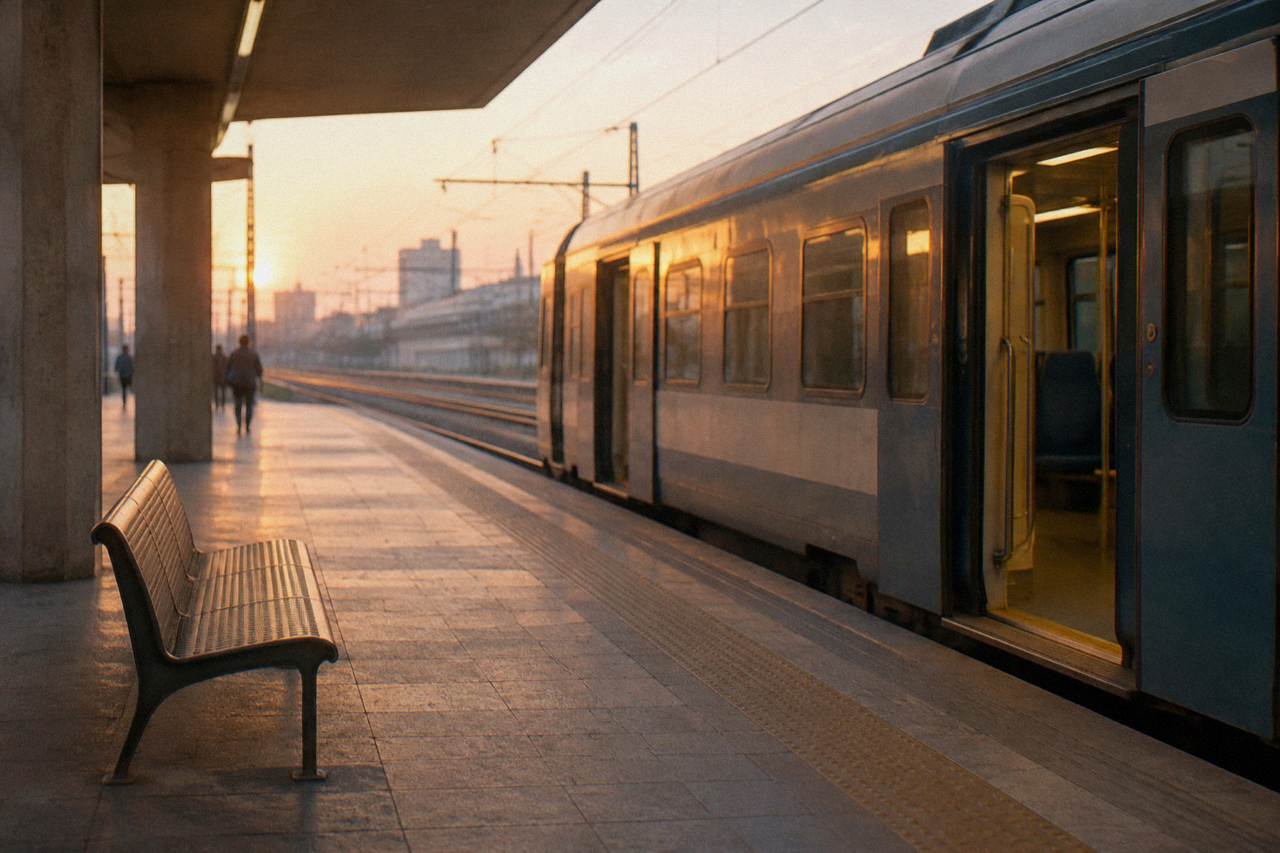
Long-distance trains connect Rome with Bari Centrale, the main railway station of Bari, the capital of Puglia in southern Italy. Journey times, fares, frequencies and the train categories running on any given day are set by the operator's own timetable and booking system, so check Trenitalia's pages before you travel.
Bari is the capital of the Puglia region on the Adriatic coast of southern Italy, and its main railway station, Bari Centrale, is where every long-distance train from Rome arrives. The city sits on the heel of the Italian boot, with Bari Vecchia, the old town on the headland, the Basilica di San Nicola and the Murat district all within reach of the station on foot or on a short city bus ride. From there, Polignano a Mare, Monopoli, Alberobello, Locorotondo, Ostuni, Castel del Monte, Trani, the Grotte di Castellana, Matera and Lecce all work as day trips. This guide from the Bari Italy Travel Guide desk covers how the rail link from Rome works, what the operator publishes, and how to plan the days after you arrive.
How Does The Train From Rome To Bari Work?
Long-distance trains run from Rome to Bari Centrale, the main railway station of Bari, the capital of Puglia in southern Italy. The operator's timetable and booking system hold the journey times, fares, frequencies and the train categories running on any given date, so those figures belong to Trenitalia's own pages rather than to a printed summary. The route crosses the Apennines and the width of southern Italy, ending on the Adriatic coast. Because services, times and prices change with the season and the booking horizon, the practical answer is to search the operator's site or app for your travel date, where the categories, durations and fares appear together.
What does not change is the destination. Bari Centrale sits at the edge of the Murat district, the grid of streets around Via Sparano, and about a kilometre from Piazza Mercantile in Bari Vecchia. Arriving by train puts you inside the city rather than at an airport 12 km away, which is the main structural advantage of rail on this route. The station is also the hub for everything that follows: the airport link, the coastal line towards Lecce, the FSE services into the Valle d'Itria and the FAL line towards Matera.
A practical way to think about the journey is in three parts: the leg from Rome to Bari, which you book with the national operator; arrival and the transfer into the city, which on this route is trivially short; and the onward network from Bari Centrale, which is where the real planning happens. The rest of this guide deals with each part in turn. For the station itself, the Bari Centrale station guide covers the layout, the forecourt and what sits around it.
Planning around the seasons matters less for the rail link than for what you do after it. Typical values from modelled ERA5 data, 1991 to 2020, put the July mean daily maximum at 28.6 C and August at 29.1 C, with January and February highs of about 12 C and about 587 mm of rain a year. The Bari weather guide and the best time to visit Bari guide break the year down month by month.
Where Does The Train Arrive In Bari?
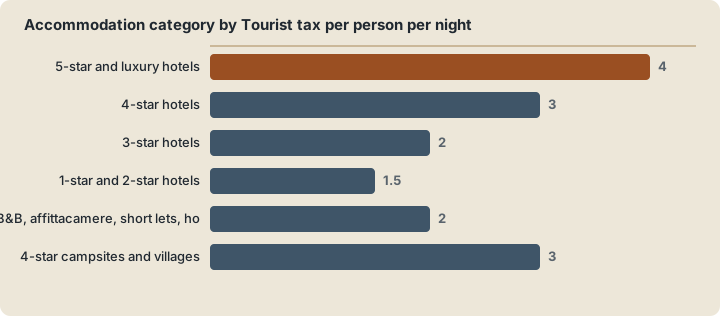
Every train from Rome arrives at Bari Centrale, the city's main railway station, which stands at the northern edge of the Murat district about one kilometre from Piazza Mercantile in Bari Vecchia. The station is a walkable distance from the old town, and it is also the interchange for the airport train, AMTAB city buses, FSE services and the FAL line towards Matera. In practical terms you step off the train and you are already in the city, with no transfer leg required beyond the walk or a short bus ride to your accommodation. The guide to Bari Centrale and the streets around it maps the exits and the forecourt.
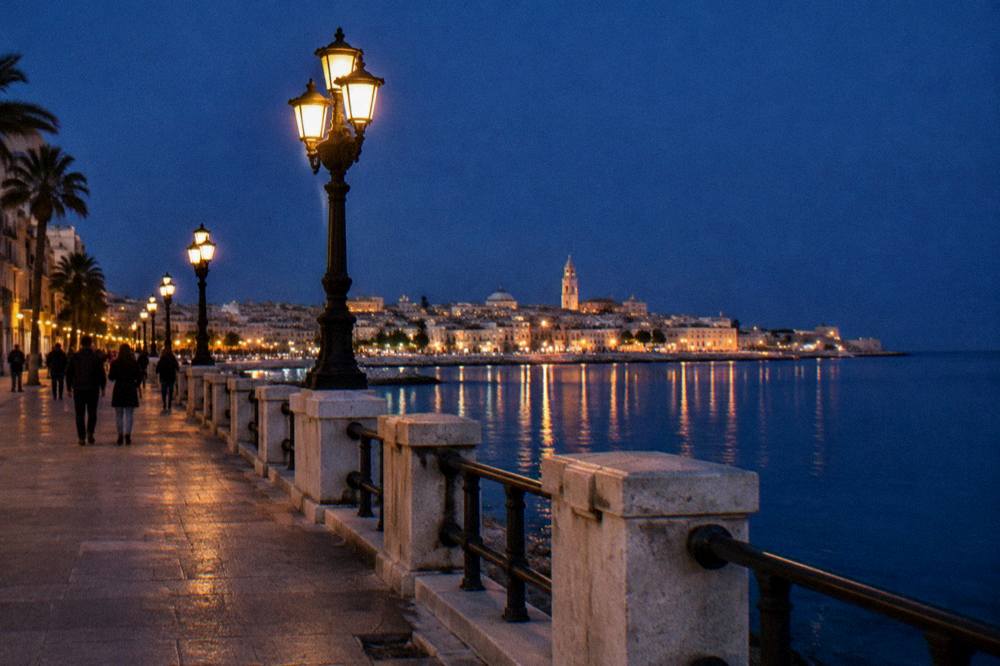
Around the station the city is flat and grid-planned. Walk south through the Murat district and you reach Via Sparano, the main shopping street, then Piazza del Ferrarese and Piazza Mercantile at the gate of Bari Vecchia. The Lungomare Nazario Sauro, the seafront promenade, begins a few blocks further south. For travellers with luggage, AMTAB city buses cost 1.00 EUR for a single ride, 1.20 EUR for a 90-minute ticket or 2.50 EUR for a day ticket, per the AMTAB fares page. A licensed taxi from the rank outside the station is the regulated alternative, and the Bari taxis and ride-hailing guide explains what is fixed and what is metered.
| Connection at Bari Centrale | Figure | Notes |
|---|---|---|
| AMTAB single bus ticket | 1.00 EUR | one ride, per the AMTAB fares page |
| AMTAB 90-minute ticket | 1.20 EUR | per the AMTAB fares page |
| AMTAB day ticket | 2.50 EUR | valid until end of service |
| Airport train, Ferrotramviaria | 17 minutes, 5.30 EUR single | 2026 tariff, station inside the terminal |
| Airport taxi to a city-centre hotel | 25 EUR predetermined | per the municipal tariff |
One detail worth knowing before arrival: do not plan to drive into Bari Vecchia, even in a rental car picked up at the station. Bari Vecchia is a limited traffic zone (ZTL) with a camera gate at the Castello, at piazza Federico II di Svevia at piazza Massari, active since 1 July 2026, with weekday entry windows only for authorised vehicles. The rule for visitors is simple: park outside the old town and walk in.
Once the bags are dropped, the arrival day fills itself. The Basilica di San Nicola is open Monday to Saturday 06:30 to 20:30 and Sunday 06:30 to 22:00, per the basilica's own opening-hours page, with no admission fee mentioned on its site. The Castello Normanno-Svevo costs 10 EUR full and 2 EUR reduced, Tuesday to Sunday 09:00 to 19:00, with shorter Sunday openings from October to March, per the Musei Puglia ticket page.
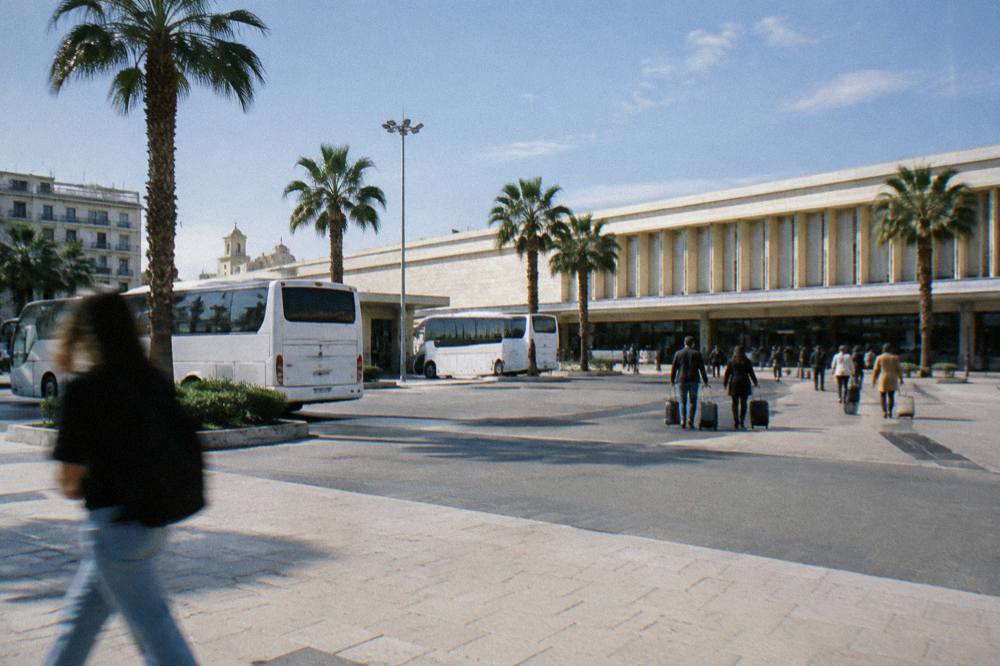
A first afternoon in Bari is easiest on foot. If you would rather have a guide from the first hour, a history walk of Bari covers the old town and its landmarks with a local guide, and it pairs with the free-standing sightseeing you will do afterwards.
How Much Does The Train From Rome To Bari Cost?
The fare from Rome to Bari is set by the operator's booking system and appears only there, because no point-to-point price for the route is published on an official summary page. The rail fare itself belongs to the operator's timetable. The same honesty applies to journey time and frequency. Neither the duration nor the number of daily departures between Rome and Bari is a fixed figure this page can print, because the operator revises the timetable by season and by date.
Search results on the operator's page will show, for your chosen day, exactly which services run, how long each takes and what each costs, which is more useful than a rounded average that may not match any real train. There are two ways to think about value on this route. The first is structural: the train deposits you in the city centre, while the plane lands at Karol Wojtyla airport at Palese, 12.0 km and about 21 minutes by road from Piazza Mercantile. The second is about what happens next: from Bari Centrale the whole Puglian network opens up at regional prices, and several of the region's best sights, including the Basilica di San Nicola, carry no admission fee mentioned on their pages. For the arrival-day budget, these are the figures the museums themselves publish:
| Sight in Bari | Ticket | Hours published |
|---|---|---|
| Basilica di San Nicola | no admission fee mentioned | Mon-Sat 06:30-20:30, Sun 06:30-22:00 |
| Castello Normanno-Svevo | 10 EUR full, 2 EUR reduced | Tue-Sun 09:00-19:00, shorter Oct-Mar Sundays |
| Pinacoteca Metropolitana Corrado Giaquinto | 5 EUR full, 2 EUR reduced, 8 EUR combined | Tue-Sat 09:00-19:00, Sun 09:00-13:00, closed Monday |
| Museo Archeologico di Santa Scolastica | 5 EUR full, 2 EUR reduced ages 18-25, combined ticket with the Pinacoteca | Tue-Sat 09:00-19:00, Sun from 09:00 |
| Teatro Petruzzelli guided tours | 7 EUR full, 2 EUR reduced | dated slots published monthly |
| Puglia Musei Card | 20 EUR, all regional Musei Puglia sites, 6 months | per the Musei Puglia ticket page |
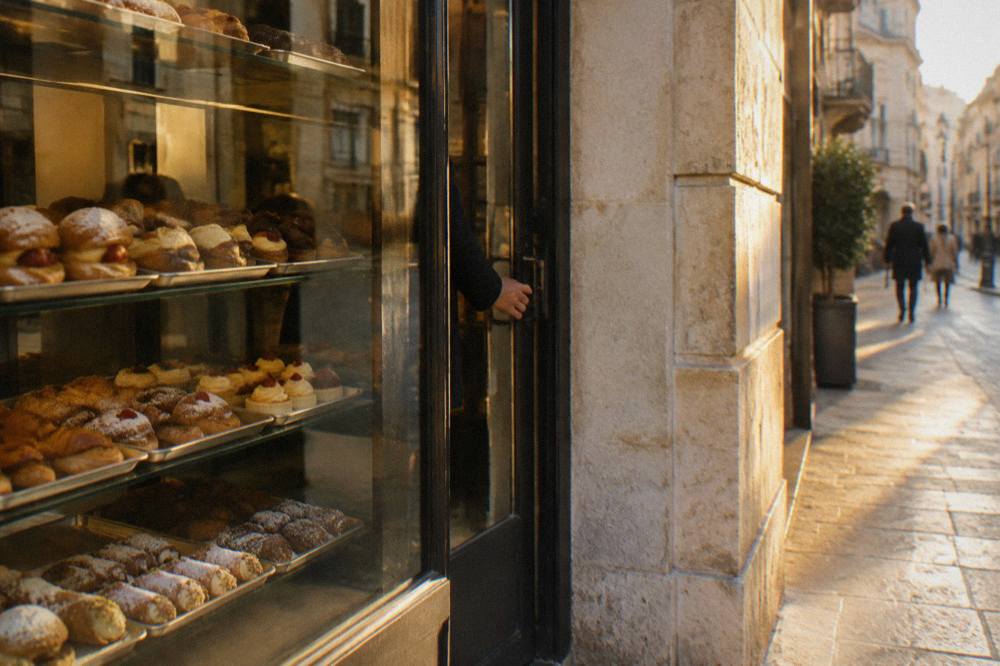
Accommodation adds one further per-person cost that the rate you book rarely shows: the Bari tourist tax, collected by the accommodation, runs from 1.50 EUR to 4.00 EUR per person per night by category, for a maximum of 4 consecutive nights per calendar year.
Is The Train Better Than Flying From Rome To Bari?
The airport half is well documented: the Ferrotramviaria train from the airport to Bari Centrale takes 17 minutes and costs 5.30 EUR single on the 2026 tariff, with the station inside the terminal and a contactless card accepted at the gate. For a fuller comparison, the flights to Bari guide covers the air side, the airport guide the terminal itself, and the airport to city centre guide every transfer option with its price.
| Airport transfer | Figure | Source |
|---|---|---|
| Ferrotramviaria airport train | 17 minutes, 5.30 EUR single | 2026 tariff table |
| Tempesta shuttle coach | 5 EUR, about 30 minutes reported | operator's shuttle page |
| AMTAB line 16, station to airport | runs as a route | fare on the AMTAB fares page for the ticket type you hold |
| Taxi, airport to a city-centre hotel | 25 EUR predetermined | municipal tariff |
The climate can settle the timing question. Typical values from modelled ERA5 data, 1991 to 2020, put August's mean daily maximum at 29.1 C with only about 4 rain days, and November's rainfall at 73 mm against August's 20 mm, so shoulder months trade heat for a slightly rainier sky.
What Can You Do In Bari On Arrival Day?
**Bari Vecchia, the old town on the headland beside the old port, holds the Basilica di San Nicola, the Cattedrale di San Sabino, Piazza Mercantile, Piazza del Ferrarese and the Castello Normanno-Svevo, all within a compact walk of Bari Centrale, and the seafront Lungomare Nazario Sauro runs south past the city beaches. The basilica's page lists no admission fee, the castle costs 10 EUR full and 2 EUR reduced, and the whole circuit is walkable, which makes the arrival day the easiest of any Italian city arrival by train. Start at the station, walk south through the Murat grid, and enter the old town at Piazza del Ferrarese.
Inside Bari Vecchia the scale is small and the streets are narrow. Strada Arco Basso is known for its pasta makers, and orecchiette is the pasta shape of Puglia; the orecchiette in Bari guide and the Strada delle Orecchiette page cover the street and the dish. The fish market sits at Molo San Nicola on the old port, and the Molo San Nicola guide describes the quay. Beyond food, the things to do in Bari page lists the full sight circuit with opening details.
A short list of arrival-day anchors:
- The Basilica di San Nicola, whose crypt has held the relics of Saint Nicholas since 1089, brought to Bari by sailors in 1087 after resting at Myra about 750 years.
- The Castello Normanno-Svevo, the Swabian castle on the edge of the old town.
- Piazza Mercantile and Piazza del Ferrarese, the two squares at the old town's southern gate.
- The Lungomare Nazario Sauro, the promenade towards Madonnella and the city beaches.
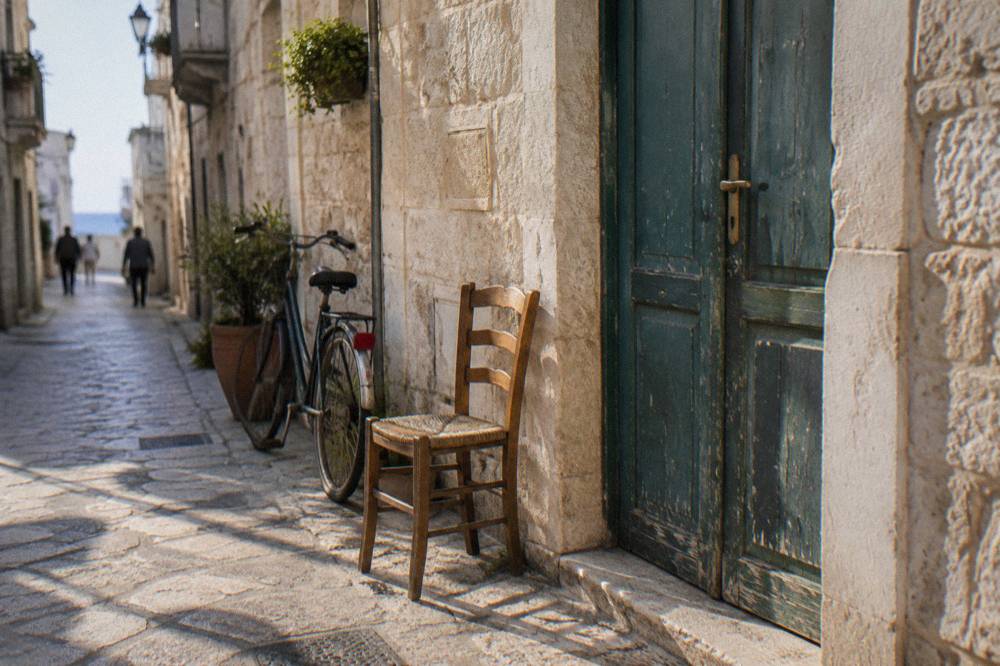
Food fills the gaps. Panzerotti, focaccia barese and raw seafood are the city's signatures, each described in one plain sentence in the street food guide and the seafood guide. A guided old town street food tour strings several of them together, and the food tours and cooking classes guide compares the formats.
If one structured experience is worth booking for the day after arrival, the Alberobello and Matera tour with a certified guide in Matera covers both UNESCO towns in a single day from Bari. You can check dates for the Alberobello and Matera tour on its tour page, or Check availability at the operator's live listing.
Which Day Trips From Bari Work Best By Train?
Trenitalia regional trains on the Bari-Lecce line serve Polignano a Mare at 33 km, Monopoli at 41 km, Ostuni at 75 km and Lecce at 150 km along the line, with Polignano typically 25 to 35 minutes from Bari, while the Trulli Link service joins Trenitalia and FSE to reach Locorotondo, Alberobello and Martina Franca in the Valle d'Itria. Point-to-point fares for these trips are not published on a summary page, so the operator's timetable holds them. Matera is different: it sits in Basilicata, not Puglia, and the FAL railway runs the Bari, Modugno, Palo, Binetto, Grumo, Toritto, Altamura, Gravina, Matera line, with the FAL timetable holding times and fares.
Each destination has its own guide on this site: Polignano a Mare, Monopoli, Alberobello, Matera, Lecce and the Monopoli and Ostuni pairing. The rail line follows the coast, so the sea appears from the window on the stretch south of Bari. Polignano a Mare and Monopoli both hold Blue Flags for 2026, awarded in the province of Bari, while Bari's own city beaches hold none.
| Day trip | Rail distance on the Bari-Lecce line | Notes |
|---|---|---|
| Polignano a Mare | 33 km | typically 25 to 35 minutes, reported |
| Monopoli | 41 km | regional trains, operator's timetable for times |
| Ostuni | 75 km | regional trains, operator's timetable for times |
| Lecce | 150 km | a long day; about 151 km and 115 minutes by road |
The inland options run by road or by the smaller operators. Castel del Monte, the octagonal UNESCO castle inscribed in 1996, lies about 62 km and 59 minutes by road from Piazza Mercantile; Altamura about 51 km and 50 minutes; Gravina in Puglia about 64 km and 64 minutes; Matera about 71 km and 69 minutes. Castel del Monte's own admission is 10 EUR full and 2 EUR reduced, every day 10:00 to 18:45 from 1 April to 30 September and 09:00 to 17:45 from 1 October to 31 March, last entry 45 minutes before closing. The Grotte di Castellana charge 25 EUR for the full 3 km route of about 100 minutes for ages 15 and over, and 22 EUR for the partial 1 km route of about 50 minutes.
| Inland day trip | Road distance from Piazza Mercantile | Drive time, free-flow |
|---|---|---|
| Altamura | about 51 km | about 50 minutes |
| Castel del Monte | about 62 km | about 59 minutes |
| Gravina in Puglia | about 64 km | about 64 minutes |
| Matera (Sassi) | about 71 km | about 69 minutes |
| Lecce | about 151 km | about 115 minutes |
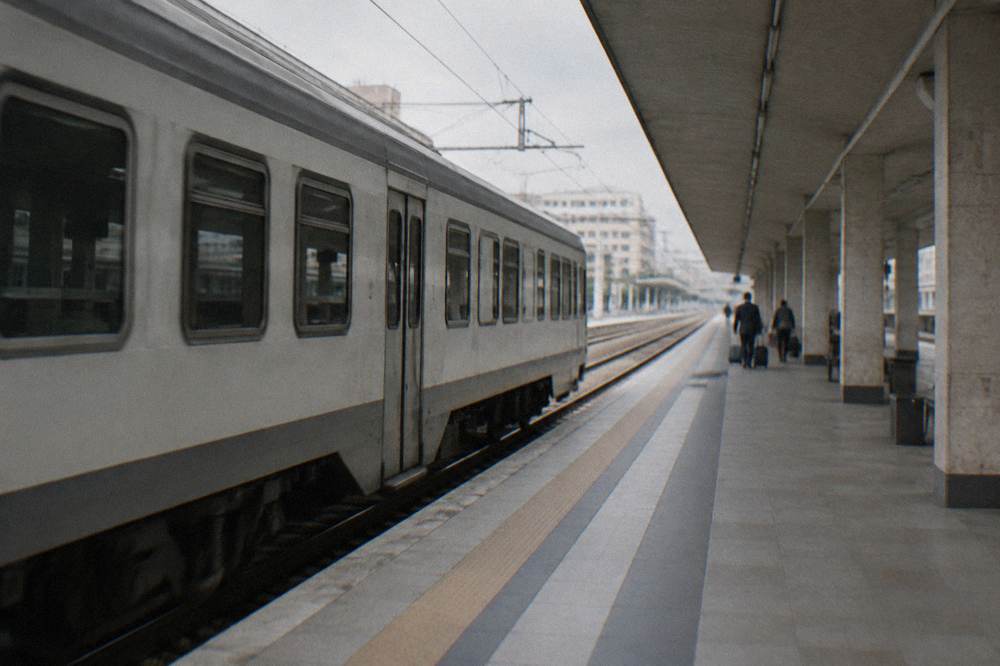
Boat trips cluster at Polignano a Mare, whose caves are reached by boats departing from Polignano itself, and at San Vito near Polignano; boats from San Vito leave from the San Vito area, not from the Bari waterfront. In the city, a cruise along the Bari coast departs from Bari's own seafront.
Where Should You Stay In Bari After The Train?
The Murat district, the grid of streets around Via Sparano immediately south of Bari Centrale, is the most practical base after a rail arrival, with Bari Vecchia the atmospheric alternative on the headland and Madonnella a quieter pick along the seafront towards the Lungomare Nazario Sauro. Each area is covered in the where to stay in Bari guide, and the Bari hotels guide and Bari apartments guide compare the formats. No nightly rate appears on this page, because hotel pricing belongs to the booking systems and changes daily.
Two fixed facts help the accommodation budget. First, the tourist tax: 5-star and luxury hotels charge 4.00 EUR per person per night, 4-star hotels 3.00 EUR, 3-star 2.00 EUR, 1-star and 2-star 1.50 EUR, and B&Bs, affittacamere, short lets, holiday homes, hostels and agriturismi 2.00 EUR, always for a maximum of 4 consecutive nights per calendar year, collected by the accommodation. Second, if you rent a car, remember that Bari Vecchia is a ZTL with camera enforcement, and perimeter parking near the old town is paid on working days 08:30 to 20:30; the parking and driving guide explains where to leave the car.
| Accommodation category | Tourist tax per person per night |
|---|---|
| 5-star and luxury hotels | 4.00 EUR |
| 4-star hotels | 3.00 EUR |
| 3-star hotels | 2.00 EUR |
| 1-star and 2-star hotels | 1.50 EUR |
| B&B, affittacamere, short lets, holiday homes, hostels, agriturismi | 2.00 EUR |
| 4-star campsites and villages | 3.00 EUR |
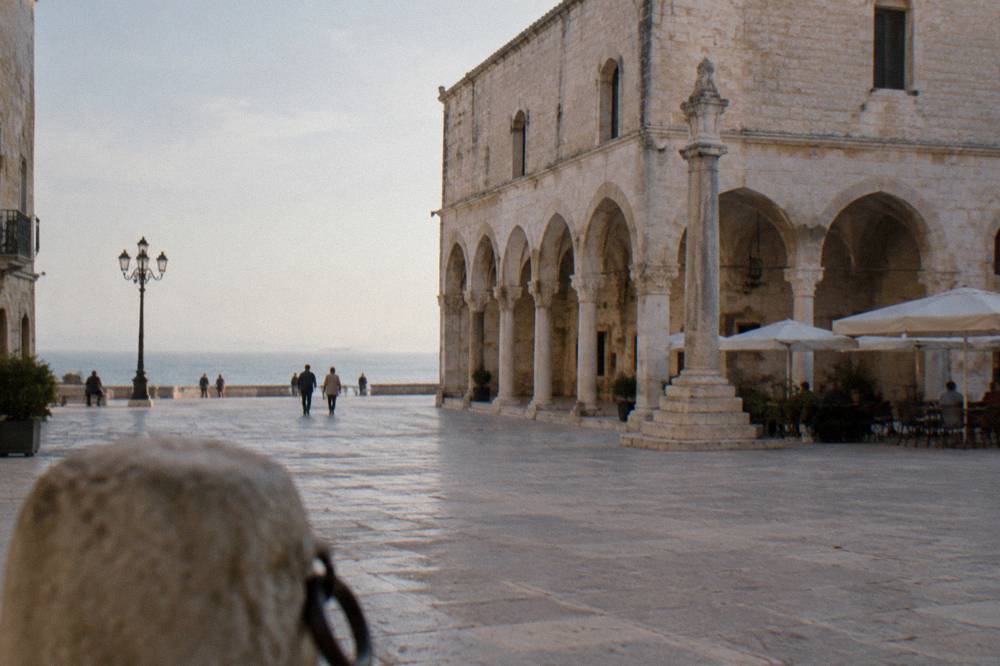
For longer stays, the itinerary guides set the frame: one day in Bari, two days, three days and the Puglia week from Bari all start from Bari Centrale's doorstep.
What Should You Know Before Travelling To Bari?
Bari is a coastal city on the Adriatic Sea, the capital of the Puglia region in southern Italy, with about 316,000 residents in the comune, and the practical arrival rules are: do not drive into Bari Vecchia's ZTL, expect a tourist tax of 1.50 to 4.00 EUR per night, and treat the operator's timetables as the only source of train times and fares. Italy uses the euro, is a Schengen member, and the emergency number is 112. The city's beaches, Pane e Pomodoro about 2.1 km from Piazza Mercantile, Torre Quetta about 3.9 km and San Girolamo about 4.3 km, hold no Blue Flag in 2026, though Puglia's bathing waters ranked first in Italy for the sixth year with 99.9 percent rated excellent, per ARPA Puglia.
Beyond the city, the ferry port extends the map. Adria Ferries sails Bari to Durres every day all year in about 8 hours, per the operator's line page, and the Stazione Marittima at Molo San Vito is about 0.5 km from Piazza Mercantile. The Bari ferries guide, the Dubrovnik ferry guide and the Albania ferry guide cover the routes, including the warning that Jadrolinija's Dubrovnik line was reported interrupted in autumn 2026 and must be confirmed before planning.
Is The Train From Rome To Bari Worth It?
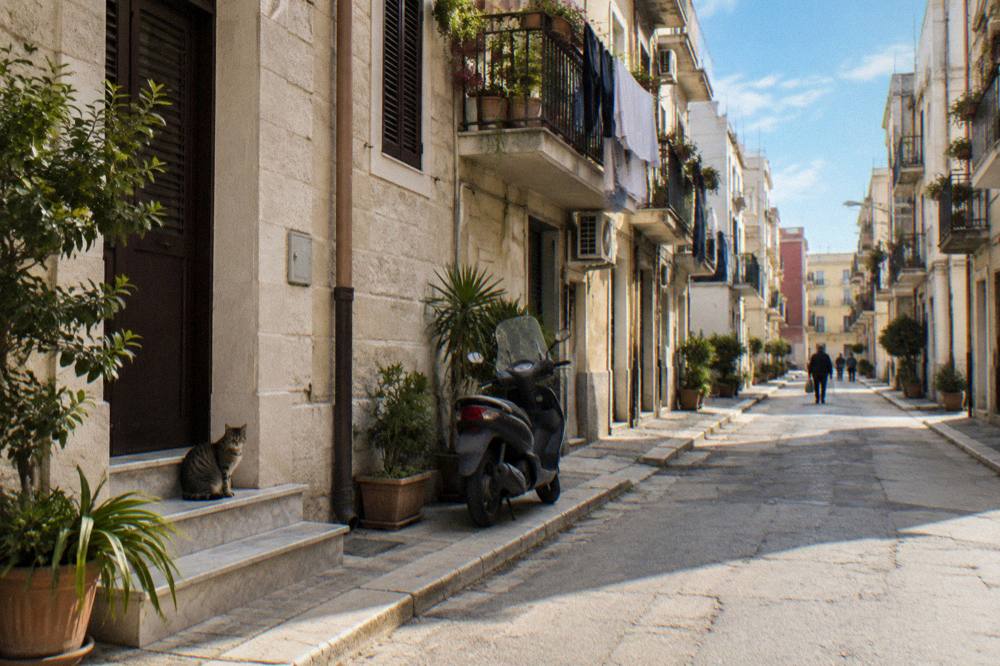
Arriving by train places you inside the city rather than at an airport 12 km out, because Bari Centrale sits about one kilometre from Piazza Mercantile and doubles as the interchange for every day trip in the region, from Polignano a Mare 33 km down the coast to the trulli of Alberobello and the Sassi of Matera. The price and duration of the Rome leg come from the operator's booking system for your date; everything after arrival is fixed, published and cheap, from the 1.00 EUR city bus to the 10 EUR castle ticket.
That asymmetry is the real argument. A flight to Bari still needs a transfer, while a train ticket ends the journey where the journey was always going: at the edge of the Murat district, a walk from the basilica, the castle and the seafront. Book the rail leg on the operator's page, plan the arrival day around Bari Vecchia, and let the regional network, described in the day-trip guides linked above, carry the rest of the week.
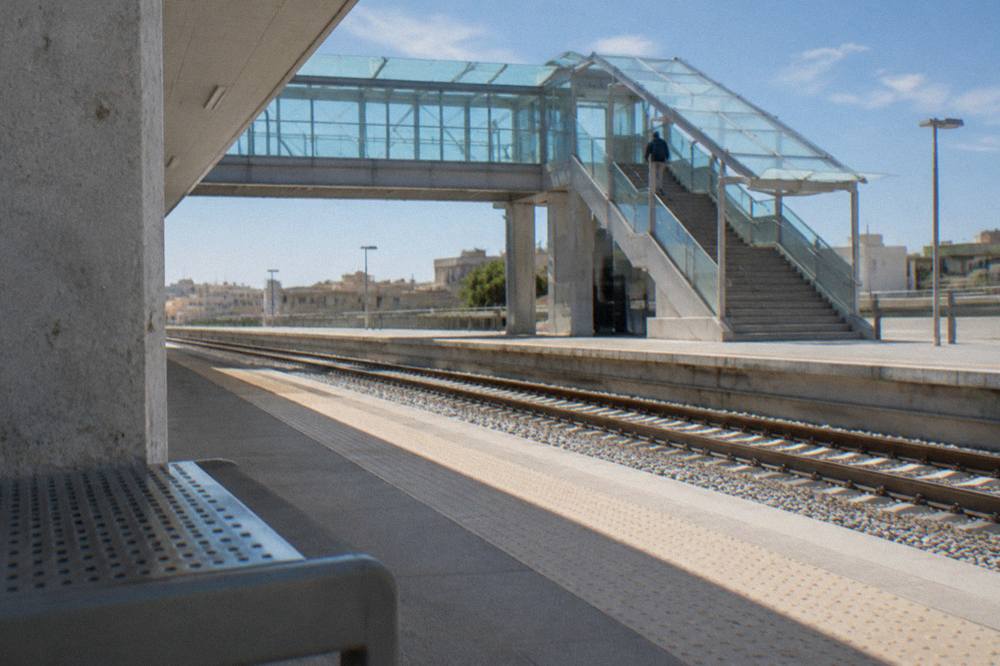
If the goal is a single headline day out of the city, the Alberobello and Matera tour with a certified guide remains the strongest fit for rail arrivals: it leaves from Bari, covers two UNESCO towns, and returns you to the same station you arrived at. Check availability at the operator's live listing before finalising your itinerary.
For slower arrivals, the Bari walk through history and the cruise with a swim stop from the Polignano coast are the other two formats that suit a first visit, and both appear in the picks below.
Common Questions About The Train From Rome To Bari
Is there a direct train from Rome to Bari?
Long-distance services connect Rome with Bari Centrale, and the operator's timetable for your travel date shows which trains run the route direct and which require a change. Journey times, fares and frequencies belong to the operator's booking system, so check there before planning.
Where does the train from Rome arrive in Bari?
Every train arrives at Bari Centrale, the city's main railway station, at the northern edge of the Murat district and about one kilometre from Piazza Mercantile in Bari Vecchia. The station is also the interchange for the airport train, AMTAB city buses, FSE services and the FAL line towards Matera.
How much does the train from Rome to Bari cost?
No point-to-point fare for the route is published on a summary page, and prices vary by service, class and booking horizon. Search the operator's site for your date to see the real fares side by side.
How do I get from Bari Centrale to the airport?
The Ferrotramviaria train takes 17 minutes and costs 5.30 EUR single on the 2026 tariff, with the station inside the terminal and contactless payment accepted at the gate. The Tempesta shuttle coach costs 5 EUR, and AMTAB line 16 also links the station and the airport.
Can I do day trips from Bari by train?
Yes. Trenitalia regional trains on the Bari-Lecce line serve Polignano a Mare (33 km), Monopoli (41 km), Ostuni (75 km) and Lecce (150 km), and the Trulli Link service joins Trenitalia and FSE to reach Locorotondo, Alberobello and Martina Franca. Matera is reached on the FAL line, which crosses into Basilicata.
Do I need a car in Bari?
No. The old town, the Murat district and the seafront are walkable from Bari Centrale, city buses cost from 1.00 EUR, and the main day trips run by train or guided tour. If you do rent a car, do not drive into Bari Vecchia: it is a limited traffic zone with camera enforcement at the Castello gate since 1 July 2026.
The rail link from Rome delivers you to the one place in Puglia where everything else starts, and with the timetables checked and the arrival day left open, the rest of the region is within a single ticket's reach.