Renting A Car In Puglia: Is It Worth It
Renting a car in Puglia makes sense for the hill towns and Matera, but not for Bari itself, where Bari Vecchia has been a camera-controlled limited traffic zone since 1 July 2026. The drive times, the train alternatives and the rules that catch out rental drivers are all below.
Short answer
A car is worth renting in Puglia for Alberobello, Locorotondo, Castel del Monte and Matera, which sit beyond convenient rail lines, and it is a liability inside Bari, where Bari Vecchia has been a camera-enforced ZTL since 1 July 2026. Keep the car for loops out of the city and use the train for Polignano a Mare and Monopoli.
Bari is the capital of the Puglia region in southern Italy, a coastal city on the Adriatic with its old town on a headland and its grid of shopping streets just south of it, and it is the natural base for a driving holiday that fans out to Polignano a Mare, Monopoli, Alberobello, Locorotondo, Ostuni, Castel del Monte, Trani and Matera. Whether renting a car in Puglia is worth it depends almost entirely on which of those places you want to see and how many of them you want to string together in a day. The honest split is this: the city itself punishes cars, the coastal towns on the Bari-Lecce rail line are easier by train, and the interior, above all the Valle d'Itria and the UNESCO sites at Alberobello and Castel del Monte, rewards wheels.
Nothing here is a car-hire quotation; rates move by season and by operator, and the rental desk or the booking page is the place to get one. What the page does give you is the geography and the rules, which change far more slowly.
Is Renting A Car In Puglia Actually Worth It?
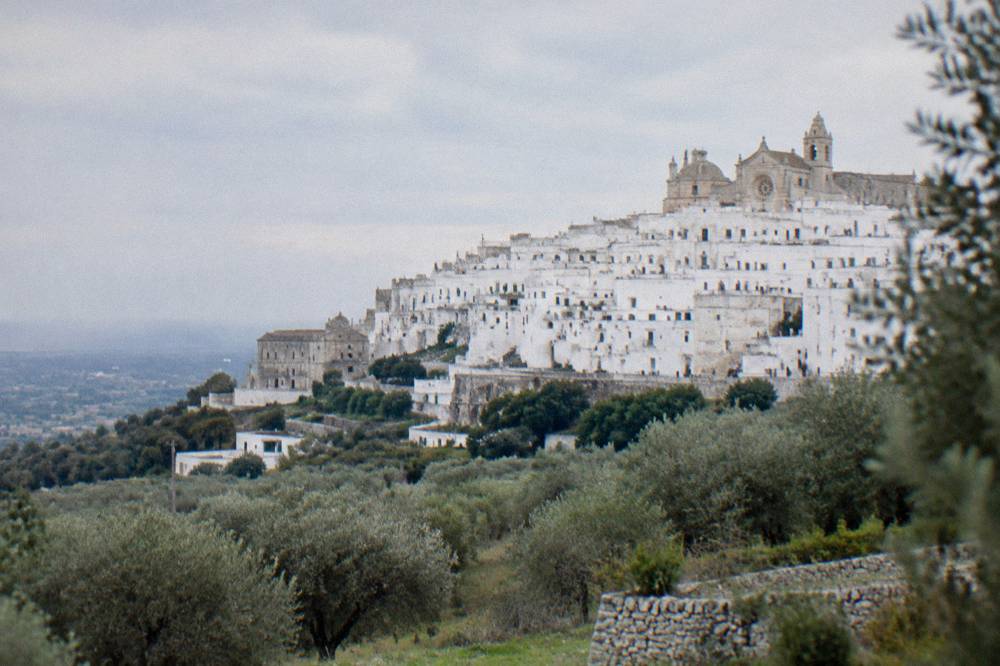
Renting a car in Puglia is worth it for the interior loops, Alberobello and Locorotondo in the Valle d'Itria, Castel del Monte and Matera across the border in Basilicata, where rail coverage is thin. It is poor value for Bari itself, a headland city with a camera-enforced ZTL in Bari Vecchia since 1 July 2026. Polignano a Mare and Monopoli sit directly on the Bari-Lecce rail line, so the train usually wins there.
The reasoning is geographic. Bari is a hub with rail lines radiating south-east to Lecce, with a regional operator, FSE, feeding the Valle d'Itria through the Trulli Link connection, and with the FAL line running inland through Altamura and Gravina in Puglia to Matera. A traveller whose wishlist is Polignano, Monopoli and Lecce can ride rails the whole way and never pay for parking. A traveller whose wishlist is Alberobello plus Locorotondo plus Martina Franca in one day, or Castel del Monte plus Trani, is looking at multiple legs and waits on connecting services, and that is where a car earns its keep.
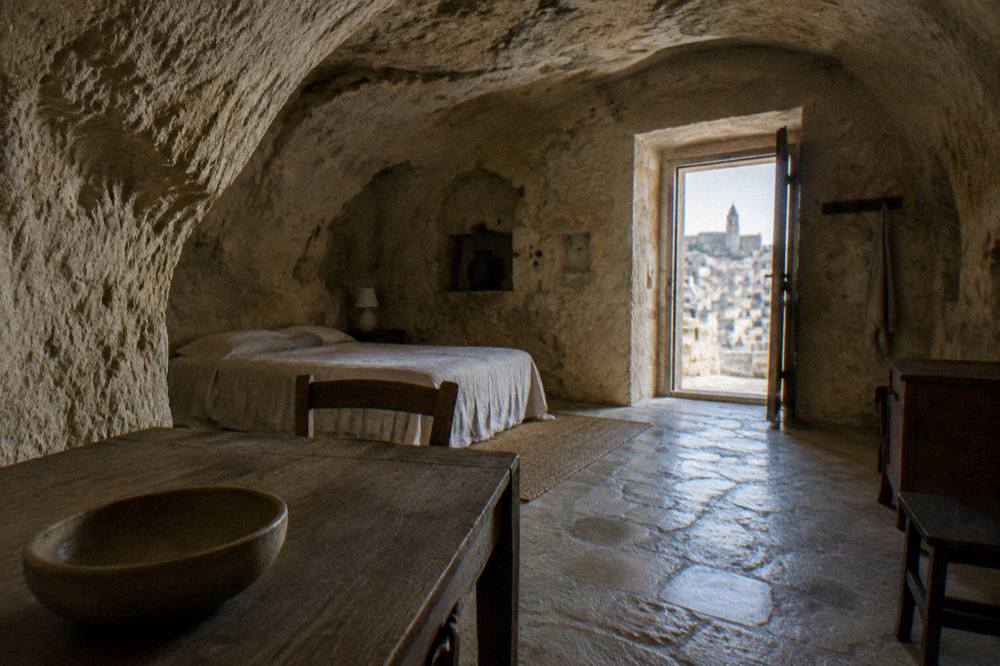
Matera deserves its own line in the calculation. The Sassi districts are in Basilicata, not Puglia, about 71 km and 69 minutes by road from Piazza Mercantile, and the FAL railway line from Bari does reach it, but service changes during works are posted by the operator, so the timetable needs a check before you plan around it. By road it is a simple run. Several guided bus tours from Bari also cover Matera and Alberobello in one day, which suits a driver-free traveller who wants both UNESCO sites without the steering.
There is also the season. Typical values from modelled ERA5 data, 1991 to 2020, put the July mean daily maximum at 28.6 C and August at 29.1 C, with about four rain days a month in both, so summer driving is dry and hot and the car will want shade at every stop. November averages 73 mm of rain against August's 20 mm, which matters more on the country roads of the Valle d'Itria than on the coastal highway. The practical page on Bari weather month by month has the full table.
Where Do You Pick Up A Rental Car In Bari?
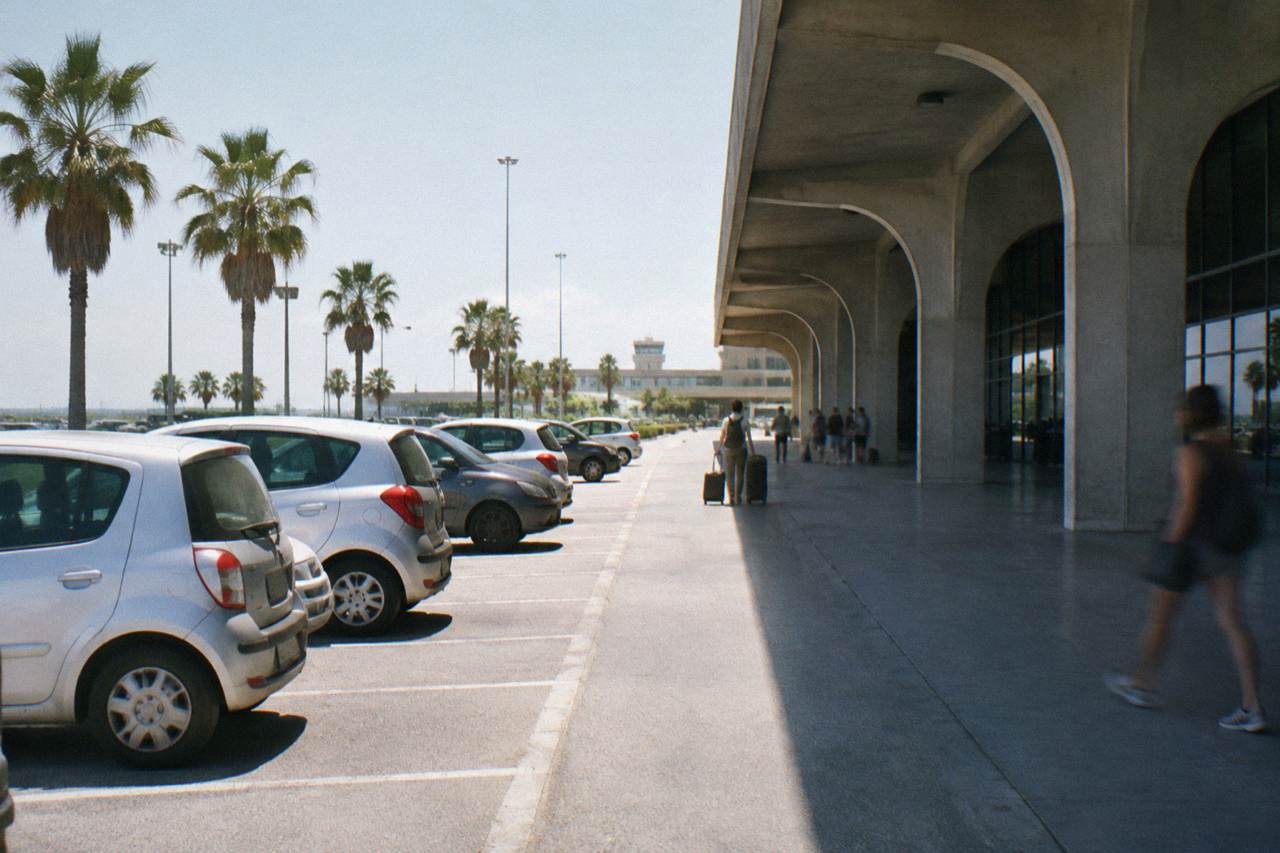
The main pickup point for a Puglia road trip is Bari's Karol Wojtyla airport (BRI) at Palese, 12.0 km and about 21 minutes by road from Piazza Mercantile, where the rental desks sit beside a station that runs trains into Bari Centrale in 17 minutes for 5.30 euro. Collecting in the city centre is possible but rarely worth it if you land at BRI, because the airport link is faster than the transfer to a downtown desk. The dedicated page on car rental at Bari airport covers the airport side in detail.
The airport itself is small and single-terminal in character, and its own access road works are not something a renter needs to plan around beyond following the signed approach. If you are already installed in the city, the alternative is to spend your Bari days car-free and collect the car on the morning you leave for the interior, which avoids both city parking and the ZTL question entirely. That is the pattern this page recommends: arrive by air or rail, see Bari on foot, then drive.
Getting between the airport and the centre without a car is cheap and quick by any of the fixed options. The Ferrotramviaria train from inside the terminal takes 17 minutes to Bari Centrale and the single costs 5.30 euro in the 2026 tariff, with a contactless card tap accepted at the gate under the Paga e Via scheme. The Tempesta shuttle coach costs 5 euro bought on board or in the Cotrap app and takes about 30 minutes. AMTAB city bus line 16 also links Bari Centrale and the airport. A licensed taxi from the rank is a predetermined 25 euro to a city-centre hotel.
| Airport transfer | Operator | Cost | Time |
|---|---|---|---|
| Train, terminal to Bari Centrale | Ferrotramviaria | 5.30 euro single | 17 minutes |
| Shuttle coach | Tempesta | 5 euro on board or in the Cotrap app | about 30 minutes |
| City bus, line 16 | AMTAB | pay the standard city ticket | route runs Bari Centrale to airport |
| Taxi to a city-centre hotel | licensed rank | 25 euro fixed | 12.0 km, about 21 minutes |
Once the car is in hand, the first rule of Puglia driving applies before you have left the city: do not drive into Bari Vecchia. The old town is the part of Bari that rewards walking, and it is the one part that is actively hostile to a rental car, as the next section sets out. Before you set out anywhere, a morning with a guide on foot is the counterpart to the driving days that follow; the Bari Walk Through History is this site's featured history walk, and there is also Check availability on the operator's live listing.
What Is The ZTL In Bari Vecchia And Why Does It Matter To A Rental Driver?
Bari Vecchia is a limited traffic zone, and since 1 July 2026 a camera gate at the Castello, at piazza Federico II di Svevia where it meets piazza Massari, reads number plates and controls entry, with weekday access windows for authorised vehicles from 09:00 to 11:00 and a reported afternoon window of 16:00 to 18:00. A rental car that crosses the gate unauthorised risks a fine routed through the hire company, so never drive into Bari Vecchia. The comune's mobility pages carry the current detail.
The enforcement is automatic. Plate-reading cameras were trialled from late June 2026 and the full regime followed, which means the old informal habits of slipping a car through the old town's lanes are gone. The windows that exist are for residents' and authorised vehicles, not for tourists dropping luggage, and there is no published tourist exemption. Perimeter parking near the old town is paid on working days from 08:30 to 20:30, with tariffs posted at the machines; leave the car there or, better, in the Murat district or at your accommodation, and walk in.
The Murat grid south of the old town is where the shopping streets and the hotels concentrate, around Via Sparano and Piazza del Ferrarese at its edge, and it is the sensible place to base a part-driving, part-walking trip. The question of which district suits which traveller is covered in where to stay in Bari. What the ZTL does not do is make Bari car-hostile in general: the seafront Lungomare Nazario Sauro, the modern districts and the exits south are ordinary urban roads.
| ZTL fact | Detail |
|---|---|
| Zone | Bari Vecchia, the old town on the headland |
| Camera gate | At the Castello, piazza Federico II di Svevia at piazza Massari, active from 1 July 2026 |
| Authorised weekday morning window | 09:00 to 11:00 |
| Reported afternoon window | 16:00 to 18:00 |
| Perimeter parking | Paid on working days 08:30 to 20:30 |
| Advice for rental drivers | Do not drive into Bari Vecchia |
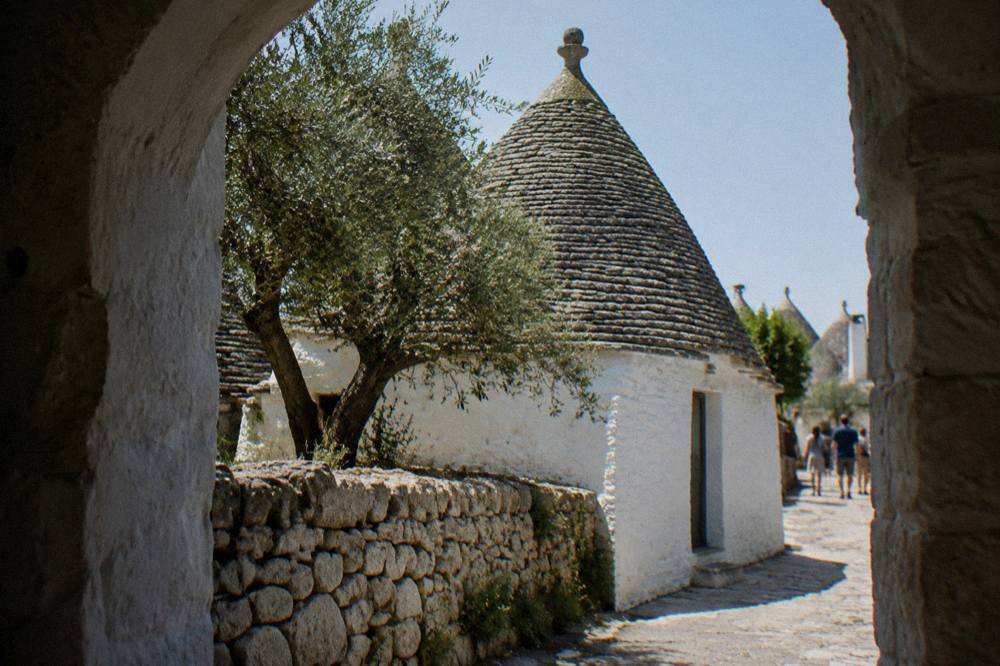
One related habit worth keeping everywhere in Puglia's small towns: several of them, Alberobello and Locorotondo included, have restricted cores or tight lanes where a parked car is a nuisance and a moving one is a hazard. Park at the edge and walk in. The historic centres were built for donkeys and feet, and the rental agreement was not.
How Long Does It Take To Drive From Bari To The Main Puglia Sights?
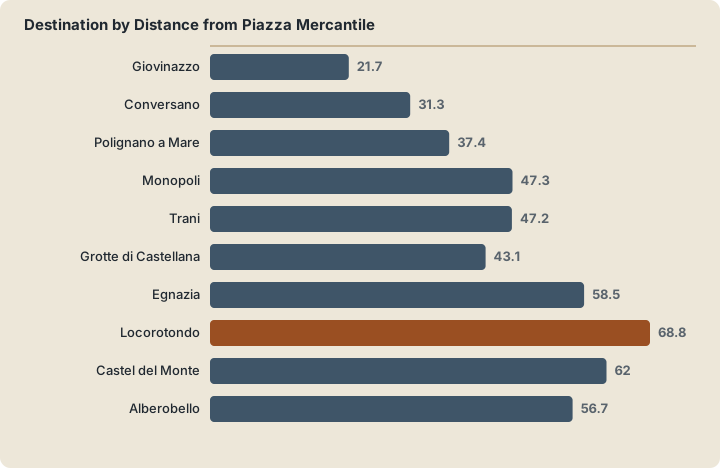
Drive times from Piazza Mercantile, computed on the free-flow road network, run about 36 minutes to Polignano a Mare (37.4 km), 43 minutes to Monopoli (47.3 km), 61 minutes to Alberobello (56.7 km), 59 minutes to Castel del Monte (62.0 km), 69 minutes to the Sassi of Matera (70.8 km) and 115 minutes to Lecce (151.1 km), which makes the Valle d'Itria, the interior castles and Matera comfortable day loops and Lecce a long day or an overnight. The full computed table is below.
The pattern to notice is that the drive times cluster. Polignano, Monopoli, Giovinazzo and Molfetta are all under 45 minutes out; the Valle d'Itria towns and the caves all sit between roughly 47 and 68 minutes; Matera and Gravina in Puglia are just past the hour; Lecce alone is a genuine haul at just under two hours. That clustering is what makes a car efficient: a loop of Alberobello, Locorotondo and Martina Franca is a natural single day by car in a way it never is by connecting services, while Polignano alone is a 25 to 35 minute train ride from Bari Centrale, typically, and Monopoli sits on the same line.
| Destination | Distance from Piazza Mercantile | Drive time, free flow |
|---|---|---|
| Giovinazzo | 21.7 km | about 23 minutes |
| Conversano | 31.3 km | about 36 minutes |
| Polignano a Mare | 37.4 km | about 36 minutes |
| Monopoli | 47.3 km | about 43 minutes |
| Trani | 47.2 km | about 45 minutes |
| Grotte di Castellana | 43.1 km | about 47 minutes |
| Egnazia | 58.5 km | about 56 minutes |
| Locorotondo | 68.8 km | about 58 minutes |
| Castel del Monte | 62.0 km | about 59 minutes |
| Alberobello | 56.7 km | about 61 minutes |
| Martina Franca | 74.9 km | about 68 minutes |
| Gravina in Puglia | 64.0 km | about 64 minutes |
| Matera, Sassi | 70.8 km | about 69 minutes |
| Ostuni | 85.3 km | about 73 minutes |
| Lecce | 151.1 km | about 115 minutes |
August on the coast road to Polignano is not free flow, and nor is a Sunday evening returning into Bari. Build slack into any day that ends with a fixed dinner or a hotel check-in, and treat the table as the floor, not the promise.
When Does The Train Beat The Car From Bari?
The train beats the car for Polignano a Mare, Monopoli, Ostuni and Lecce, all of which sit on the Trenitalia Bari-Lecce regional line at 33, 41, 75 and 150 km respectively, with Polignano typically 25 to 35 minutes from Bari Centrale, because the stations sit at or near the centres and the driver has to park. Alberobello, Locorotondo and Martina Franca are reachable on the Trenitalia and FSE Trulli Link connection, and FAL runs the railway line from Bari through Altamura and Gravina in Puglia to Matera. The site has a dedicated page on getting around Bari and Puglia without a car.
The trade-off is not only time but friction. A train to Polignano delivers you a short walk from the Lama Monachile cove; a car delivers you to a search for a space in a town whose summer streets fill early. The same logic applies in Monopoli. Lecce, at 150 km by rail, is the clearest case of all: the road takes 115 minutes in good conditions and then demands city parking, while the train arrives centrally. The comparison page on Bari to Lecce works through it.
For the Valle d'Itria the calculation flips. The Trulli Link service connects Trenitalia and FSE services toward Locorotondo, Alberobello and Martina Franca, with the FSE leg reported at 5.90 euro on top of the rail fare, and it works well for a single-town day. For a two- or three-town day, a car or one of the organised day tours is the better instrument. The dedicated page on Bari to Alberobello lays out the options.
| Destination | By road | By rail |
|---|---|---|
| Polignano a Mare | 37.4 km, about 36 minutes | 33 km on the Trenitalia Bari-Lecce line, typically 25 to 35 minutes |
| Monopoli | 47.3 km, about 43 minutes | 41 km on the Trenitalia Bari-Lecce line |
| Ostuni | 85.3 km, about 73 minutes | 75 km on the Trenitalia Bari-Lecce line |
| Lecce | 151.1 km, about 115 minutes | 150 km on the Trenitalia Bari-Lecce line |
| Alberobello | 56.7 km, about 61 minutes | Trulli Link, Trenitalia plus FSE, FSE leg reported at 5.90 euro on top of the rail fare |
| Matera | 70.8 km, about 69 minutes | FAL line via Altamura and Gravina in Puglia |
Point-to-point rail fares for those routes are set by the operators' tariff tables, so check the operator's timetable and fare page before booking; service changes during works are posted by the operator, and the Trulli Link connection runs on a published schedule. None of that is a reason to skip the train, only a reason to look before you lock a plan. The rest of the planning pages sit on Bari Italy Travel Guide.
What Does It Cost To Get Into The Sights Once You Have Driven There?
Admission at the drivable sights is modest: Castel del Monte is 10 euro full and 2 euro reduced, open daily 10:00 to 18:45 from 1 April to 30 September and 09:00 to 17:45 from 1 October to 31 March, the Grotte di Castellana full cave route is 25 euro for ages 15 and over, the Swabian castle of Trani is 8 euro and 2 euro reduced, and the Puglia Musei Card covers all regional state museum sites for 20 euro over 6 months. Those figures are on the official ticket pages and worth checking before you set out.
The Puglia Musei Card is the one purchase that changes shape depending on your route. Castel del Monte and the Swabian castle of Trani are both Direzione regionale Musei Puglia sites, so a loop that takes in the octagonal castle near Andria and Trani's castle gets real value from the card, as does a city day that includes the Castello Normanno-Svevo in Bari at 10 euro full and 2 euro reduced. The Castel del Monte day trip guide covers that site in full.
| Site | Full ticket | Reduced | Opening |
|---|---|---|---|
| Castel del Monte | 10 euro | 2 euro | daily 10:00-18:45 (1 Apr-30 Sep), 09:00-17:45 (1 Oct-31 Mar) |
| Grotte di Castellana, full route | 25 euro (15 and over) | 22 euro (ages 6-14) | 3 km route, about 100 minutes |
| Grotte di Castellana, partial route | 22 euro | reduced tariff | 1 km route, about 50 minutes |
| Swabian castle of Trani | 8 euro | 2 euro | Mon-Sat 08:30-19:30, Sun 08:30-13:30 |
| Castello Normanno-Svevo, Bari | 10 euro | 2 euro | Tue-Sun 09:00-19:00, short Sunday hours Oct-Mar |
| Egnazia museum and park | 10 euro | 2 euro | Mon-Sat and first Sunday 08:30-19:30 |
| Puglia Musei Card | 20 euro | all regional Musei Puglia sites, 6 months |
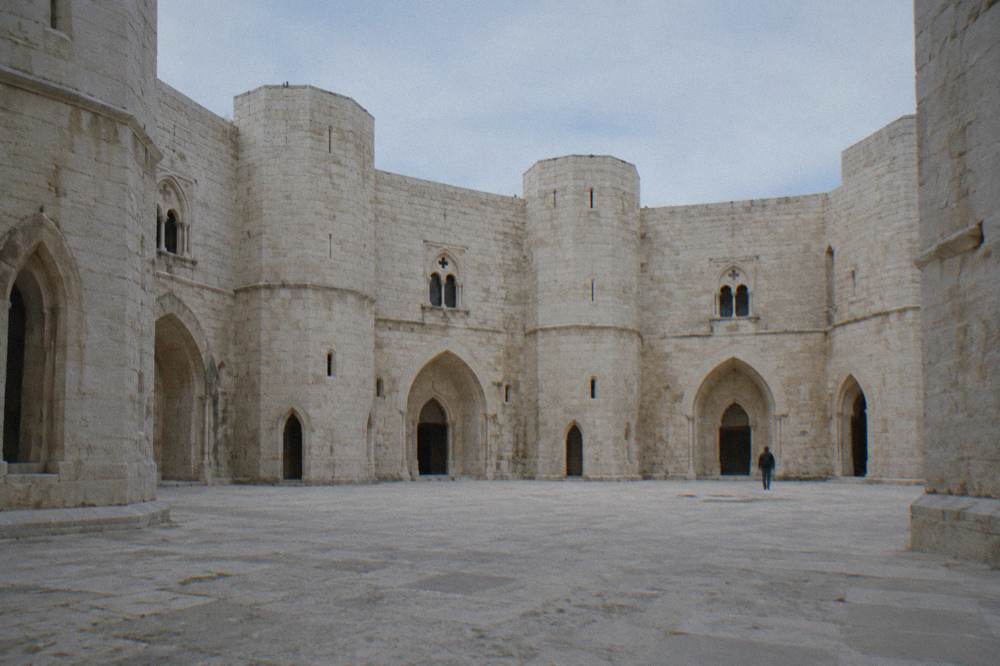
The driving bonus at these sites is timing. Castel del Monte's last entry is 45 minutes before closing, and a car lets you arrive at opening or late afternoon rather than being tied to a tour coach's midday slot. The same applies to the Grotte di Castellana, where the full route takes about 100 minutes underground: a self-driven day can absorb that; a rigid bus itinerary often cannot.
What Are The Parking Rules That Catch Out Visitors In Bari?
The rules that catch drivers in Bari are the ZTL camera gate in Bari Vecchia, in force since 1 July 2026, and the paid perimeter parking around the old town, charged on working days from 08:30 to 20:30. Confirm the current price on the official ticket page or the posted tariff before paying.
The habit that saves money everywhere in Puglia is the same one: park once, at the edge of wherever you are sleeping or sightseeing, and walk. In Bari that means the Murat grid or a garage near Bari Centrale rather than anything inside the old town. In the small towns it means the edge-of-town lots. In Polignano a Mare in summer it means arriving early or accepting a longer walk in, because the town's popularity outruns its spaces on peak days.
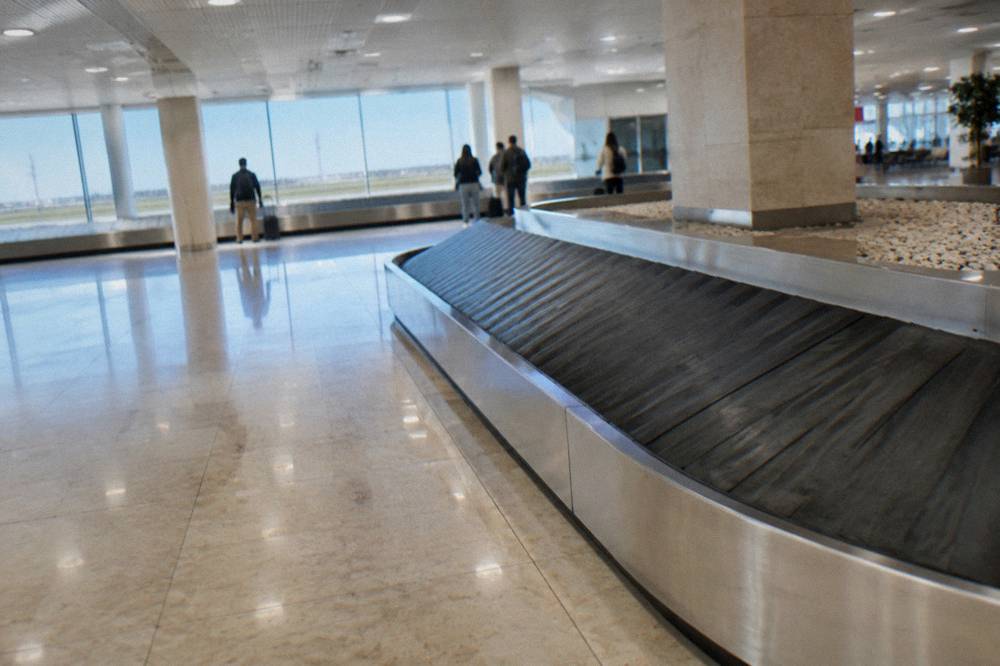
Two practical notes for the return leg: allow time at Bari airport for the rental return and the works on the airport's external access road layout, which has changed the internal circulation, and check the airline's own check-in deadline, which each carrier sets for itself. The pages on Bari airport and on getting from Bari airport to the city centre cover the layout and the transfer options in detail.
What Does A Car-Free Day In Bari Look Like Between Driving Days?
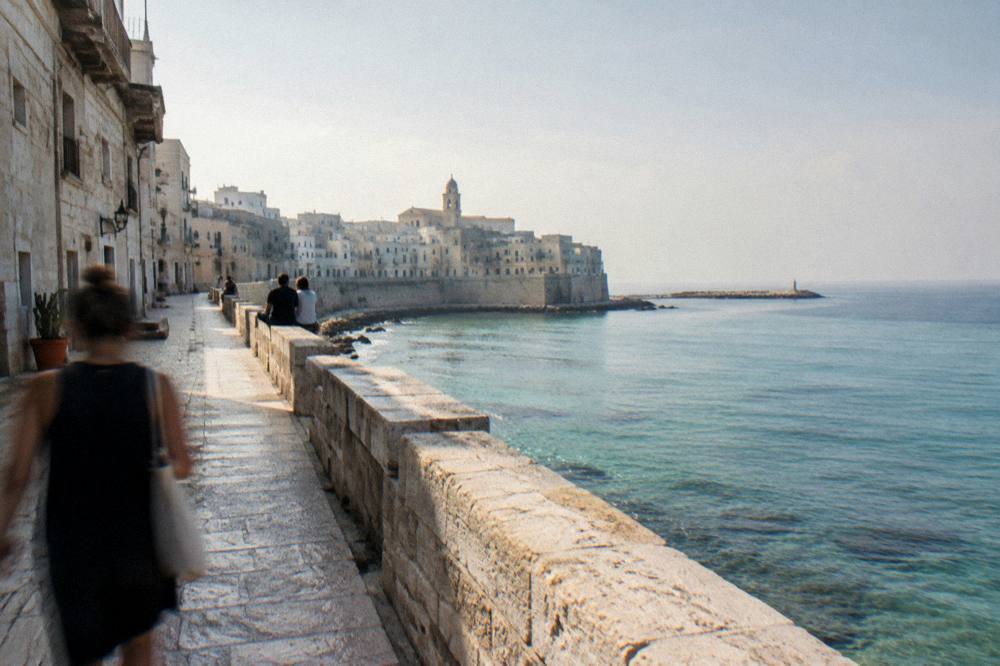
A car-free day in Bari centres on Bari Vecchia on foot: the Basilica di San Nicola, open Monday to Saturday 06:30 to 20:30 and Sunday 06:30 to 22:00 with no admission fee mentioned on its page, the Swabian castle at 10 euro full and 2 euro reduced open Tuesday to Sunday 09:00 to 19:00, the Lungomare Nazario Sauro seafront, and the street food of the old town, all reached on foot from Piazza Mercantile. The overview page on things to do in Bari is the full inventory.
This is the structural argument of the whole page: Bari is the part of the trip where the car sits still. The old town's lanes, the orecchiette makers of Strada Arco Basso, the fish market at Molo San Nicola and the seafront promenade are a walker's itinerary, and the ZTL has made the walking preference official. A guided walk fills the history in; a food walk fills the stomach. Both exist as bookable products, and both beat circling the old town in a rental.
The food side of the old town runs from focaccia barese through panzerotti to the raw seafood at the port, and the guide to Bari street food names the dishes and where the traditions sit. Orecchiette is the pasta shape of Puglia, and Strada Arco Basso is the street associated with its makers; whether the tables are out on any given day varies, so treat it as a street to walk rather than a schedule to keep.
How Do You Build A Puglia Driving Loop Out Of Bari?
A workable loop uses Bari as the hub with three driving days: day one the coast, Polignano a Mare and Monopoli, 36 and 43 minutes out; day two the Valle d'Itria, Alberobello, Locorotondo and Martina Franca, 61, 58 and 68 minutes out; day three the north and interior, Trani, Castel del Monte or the Grotte di Castellana, with Matera as a separate day at 69 minutes across the border into Basilicata. Lecce, at 115 minutes, is better as a train day or an overnight. The itinerary pages for one day in Bari through five days sequence the full week.
The loop logic is about not backtracking. The Valle d'Itria towns form a triangle: Alberobello to Locorotondo is a short hop, Locorotondo to Martina Franca likewise, and the road between them is the region's signature landscape of dry-stone walls and trulli. Doing that triangle by car in a day is straightforward; doing it by connecting buses and trains is a day of timetables. A north-and-interior day pairs Trani's castle, 8 euro full, with Castel del Monte, 10 euro, on a route that makes geographic sense, both museums being state sites covered by the Puglia Musei Card.
Matera is the one destination where the driving question has a different flavour, because the FAL railway does reach it and guided bus tours run there from Bari. The Sassi are a UNESCO World Heritage site in Basilicata, and the car's advantage is the freedom to stop in Altamura or Gravina in Puglia on the way, at 50 and 64 minutes out respectively. The trade is Matera's own constrained streets, which want the car left at the edge like everywhere else on this list.
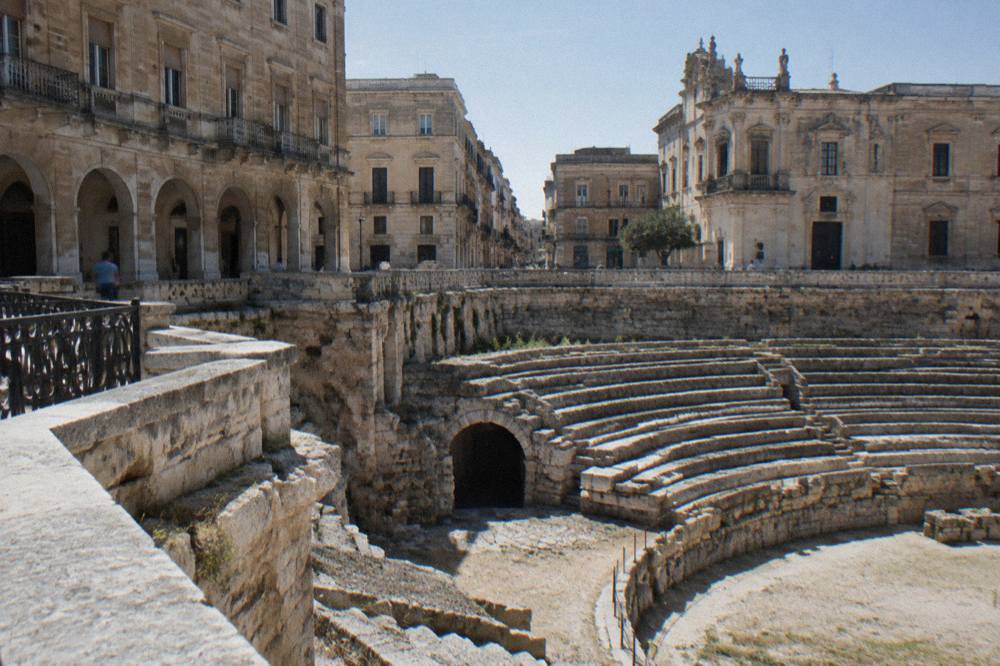
Season shapes the loop. July and August, with mean daily maxima of 28.6 and 29.1 C, put a premium on early starts and long lunches in the shade; October, at a 21.1 C mean daily maximum and 63 mm of rain, is softer and quieter. The pages on the best time to visit Bari and on how many days to spend in Bari help size the whole trip before you size the rental.
Car Or No Car: The Honest Verdict For A Puglia Trip
The verdict is a split decision, and it is not close: base in Bari without a car for two or three days, use the train for Polignano a Mare, Monopoli and Lecce, and rent a car only for the interior days, the Valle d'Itria triangle, Castel del Monte, Trani, Matera and the caves, where drive times run from about 45 to about 73 minutes each way.
A car for the whole trip buys convenience you will not use inside Bari and liabilities, the ZTL gate above all, that you do not want. That judgement follows from the geography and the rules, not from a preference.
The counter-case is worth stating fairly. A traveller arriving at BRI late, or one moving accommodation every night, may find a single continuous rental simpler than a split, and the cost of a few idle parking days can be less than two rentals' overheads. Families with small children, or anyone planning a route that ends somewhere other than Bari, also tilt toward holding the car throughout. What no version of the trip should include is driving into Bari Vecchia, and the second universal rule is to book sight entries ahead in summer, when the coast is at its fullest.
For the days you hand the keys back, Bari rewards the pedestrian, and so does much of the coast. A guided walk through the old town, a food walk, or an organised day tour by bus to the hill towns all exist as bookable products with live listings, and the three below are the ones this site rates for a car-free day in and around the city. Check availability on each operator's listing for the dates you are there, since seasonal schedules move.
One last budget line belongs on any Puglia planning page, car or no car: the city's tourist tax runs 1.50 to 4.00 euro per person per night by accommodation category, capped at four consecutive nights per calendar year and collected by the accommodation. Neighbouring towns set their own rates, so ask the host in Alberobello or Matera rather than assuming Bari's figures travel. Beyond that, the fuel, the tolls where a route uses them, and the parking are the running costs of the wheels, posted wherever you pay them.
Common Questions About Renting A Car In Puglia
Is renting a car in Puglia worth it?
For the Valle d'Itria, Castel del Monte, Trani, the caves and Matera, yes: those sit 45 to 73 minutes' drive from Bari and are awkward by connecting services. For Bari itself and the rail-line coast of Polignano a Mare, Monopoli, Ostuni and Lecce, the train is the better instrument, and Bari Vecchia's camera-enforced ZTL actively punishes a car.
Can you drive into Bari Vecchia?
No. Bari Vecchia is a limited traffic zone with a camera gate at the Castello since 1 July 2026, reading number plates with weekday access windows for authorised vehicles only. Leave the car outside the old town and walk in.
Do you need a car to visit Alberobello from Bari?
Not strictly: the Trulli Link service connects Trenitalia and FSE trains toward Alberobello, with the FSE leg reported at 5.90 euro on top of the rail fare, and guided bus tours run there from Bari. But a 61-minute drive makes a combined Alberobello, Locorotondo and Martina Franca day far easier than any timetable.
Is it easy to drive from Bari to Matera?
The road run is about 71 km and 69 minutes from Piazza Mercantile, across the regional border into Basilicata. The FAL railway line also reaches Matera via Altamura and Gravina in Puglia, but service changes during works are posted by the operator, so check the timetable before planning around it.
Where should you pick up a rental car for a Puglia trip?
At Bari's Karol Wojtyla airport (BRI) at Palese, 12.0 km and about 21 minutes by road from Piazza Mercantile. If you plan car-free days in Bari first, collect the car on the morning you leave for the interior instead of on arrival.
Is a week in Puglia long enough for a driving loop from Bari?
Yes. Two or three car-free days in Bari, then three driving days covering the coast, the Valle d'Itria and the north or Matera, with Lecce as a train day or an overnight, fills a week without rushing, using drive times of 36 to 73 minutes for each leg.
The short version of the whole page: rent the car for the interior, ride the train down the coast, and never point a rental at the old town gate. Everything else in Puglia driving is patience, shade and a parked car at the edge of a white town.