Murat District Bari: The Grid Of Shops, Cafes And Hotels
The Murat district is the modern heart of Bari, a planned grid of streets south of Bari Vecchia that holds the city's main shopping spine, Via Sparano, alongside cafes, hotels and the streets that run down to the Lungomare Nazario Sauro. This guide sets out what the district is, how to reach it, and how it fits into a visit to the capital of Puglia.
Short answer
The Murat district is the grid-plan quarter of Bari, Puglia, sitting between the old town of Bari Vecchia and the railway station area around Bari Centrale, with Via Sparano as its pedestrian shopping street. It is the city's commercial centre, and its borders touch the seafront promenade at the Lungomare Nazario Sauro.
The Murat district is the grid-plan quarter at the centre of Bari, the capital of the Puglia region on the Adriatic coast of southern Italy. Its streets run in straight blocks between the old town of Bari Vecchia and the area around Bari Centrale station, and its best-known street, Via Sparano, is the pedestrian shopping spine of the city. Cafes, department stores, hotels and the Teatro Petruzzelli area all sit inside or beside this grid, and the seafront promenade, the Lungomare Nazario Sauro, closes it off to the west. For a traveller deciding where to sleep, shop or eat between the old town and the station, this district is the natural middle ground, and it is the subject of this guide from the Bari Italy Travel Guide.
What Is The Murat District In Bari?
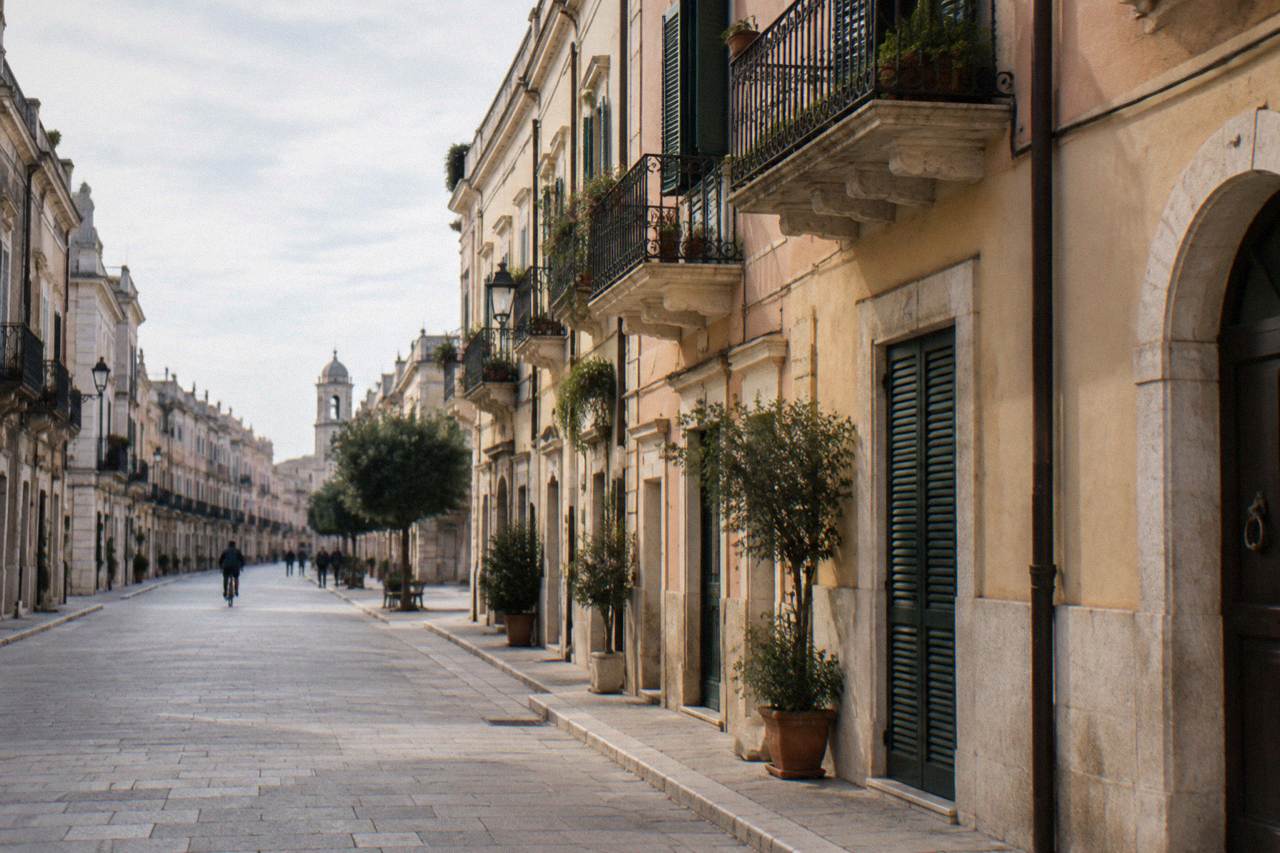
The Murat district is the planned grid quarter of Bari, laid out with straight streets and rectangular blocks between the old town and the station area. It is the commercial centre of the city, holding Via Sparano, the main pedestrian shopping street, together with department stores, cafes, banks and a large share of Bari's hotel capacity. The district is on flat ground, a practical change from the tighter lanes of Bari Vecchia.
The name distinguishes it from the old town on the headland: Bari Vecchia curves around the Basilica di San Nicola, the Cattedrale di San Sabino and the Swabian castle, while Murat runs in straight lines. The grid is bounded in practical terms by the edge of the old town on one side, the streets around Bari Centrale on the other, and the sea to the west, where the Lungomare Nazario Sauro begins. Writers on the city sometimes call the style of the district Murattiano, and that adjective is the correct one if you want to describe the look of the facades.
What the district does best is connect things. A walk across the grid takes you from Piazza del Ferrarese, at the seam with the old town, down to the station forecourt, or from Via Sparano west to the promenade. Everything in central Bari is within reach on foot from here: the old town, the waterfront and Madonnella, and the streets around Bari Centrale. That connectivity, more than any single sight, is the reason travellers stay here.
Where Is The Murat District And How Do You Reach It From Bari Centrale?
The Murat district sits directly south of Bari Vecchia and west of Bari Centrale station, so arriving by train puts you at its eastern edge within a short walk. The walk from the station forecourt, piazza Aldo Moro, to the top of the shopping grid is flat and signposted in places. Airport arrivals can take the Ferrotramviaria train, which runs to Bari Centrale in 17 minutes for 5.30 euro, and then walk in from the station side.
Three airport options end at the same place. The Ferrotramviaria station is inside the airport terminal, and its 2026 tariff lists the single to Bari Centrale at 5.30 euro, with a contactless card accepted at the gate under the Paga e Via scheme. The Tempesta shuttle coach costs 5 euro bought on board or in the Cotrap app. A taxi to a city-centre hotel is a predetermined 25 euro, per the municipal enforcement notice that set the fare. AMTAB line 16 also links the station and the airport.
| Airport to Bari Centrale option | Cost | Notes |
|---|---|---|
| Ferrotramviaria train | 5.30 EUR single | 17 minutes, station inside the terminal |
| Tempesta shuttle coach | 5 EUR | bought on board or in the Cotrap app |
| Taxi to a city-centre hotel | 25 EUR | predetermined fare |
| AMTAB line 16 | Pay the standard city ticket | links the station and the airport |
Inside the city, AMTAB buses run across the grid; a single ticket is 1.00 euro, a 90-minute ticket 1.20 euro and a day ticket 2.50 euro. Service changes during works are posted by the operator. If you are choosing how to spend a first afternoon in the city, a guided walk is one way to cover both the grid and the old town, and the options below are the walks and food walks this site lists for central Bari.
What Are The Best Things To See And Do Around The Murat District?
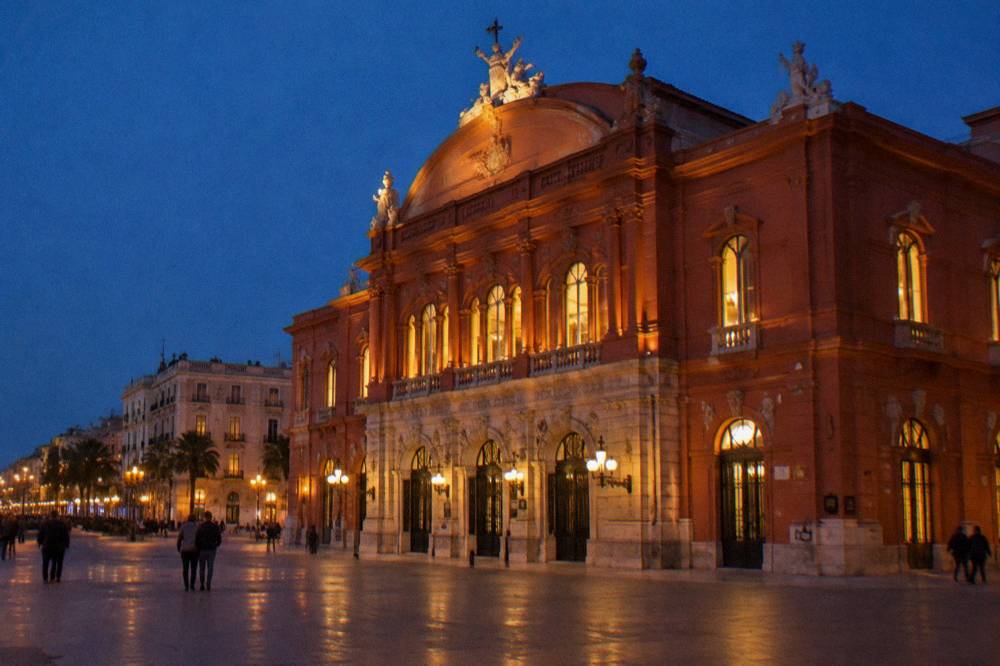
The core activity in the Murat district is the streets themselves: Via Sparano for shopping, the grid of side streets for cafes and architecture, and the short walk west to the Lungomare Nazario Sauro for the sea. The Teatro Petruzzelli, one of Bari's landmark theatres, sits at the district's edge, and its guided tours cost 7 euro full and 2 euro reduced, with dated slots published monthly on the foundation's page.
The theatre is the one ticketed sight within easy reach of the grid. Its tour calendar is published month by month, the box office opens 30 minutes before each slot, and the listing says the visit covers the foyer and the platea. Beyond the theatre, the district's pleasures are free ones: window shopping under the arcades, an espresso at a cafe table on a grid corner, and the walk down to the promenade, where the Teatro Margherita stands over the water. No shop list for the grid beyond Via Sparano is carried in the site's research, so the shopping detail below stays with what is certain.
A food walk that starts from the modern centre and crosses into the old town is the single most useful paid activity for this district, because it stitches the two halves of central Bari together while tasting them. Orecchiette is the pasta shape of Puglia, and panzerotti are fried filled pockets of dough, two dishes you will meet on menus both sides of the grid. The street food walk below is the related pick for this page, and it is offered in English where the product card says so.
Where To Shop In The Murat District: Via Sparano And The Grid
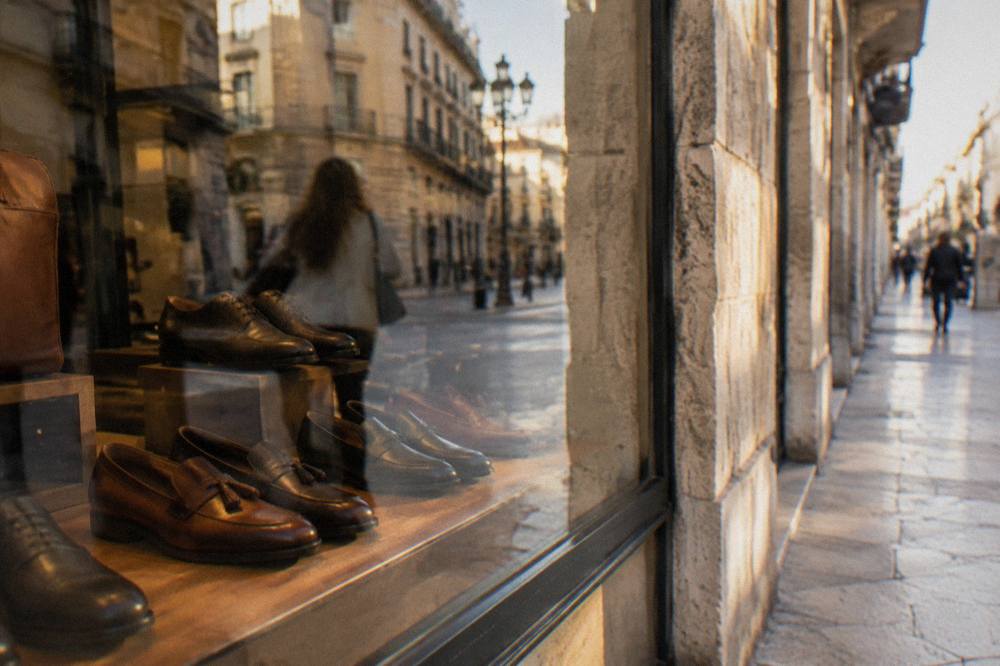
Via Sparano is the pedestrian shopping street of Bari and the retail spine of the Murat district, running through the grid with national and international chains, department stores and shoe shops. The cross streets of the grid hold smaller shops, cafes and bookshops. Via Sparano is the one shopping street in the district the site's research names with certainty.
The layout makes shopping weather-proof in a way the old town is not: straight streets, wide pavements and arcades give you shade in August, when the mean daily maximum reaches 29.1 C in typical values from modelled ERA5 data, 1991 to 2020, and shelter from a shower in October, which averages 63 mm of rain across the month. Sunday opening hours for shops were not established in the site's research, so confirm locally before planning a Sunday of retail. For a deeper look at the shopping streets, the site carries a companion page on shopping streets in the Murat district.
Souvenir thinking is simple here. The grid sells what Italian city centres sell, and the food of Puglia travels better than anything else: a bag of orecchiette, a bottle of regional wine, olive oil. No souvenir prices are carried in the research, so treat the shops as browsing territory and check prices as posted.
Where To Eat And Drink Around The Murat District In Bari
Eating around the Murat district splits neatly in two: cafes and quick lunch spots on the grid, and the fuller restaurant kitchens of Bari Vecchia a few minutes' walk east. Focaccia barese is a tomato-topped flatbread of the region, and it is the classic quick bite of the city centre, eaten standing or at a cafe table. The site's research names no restaurant, bakery or trattoria, so this page describes the food and leaves the choice of address to you.
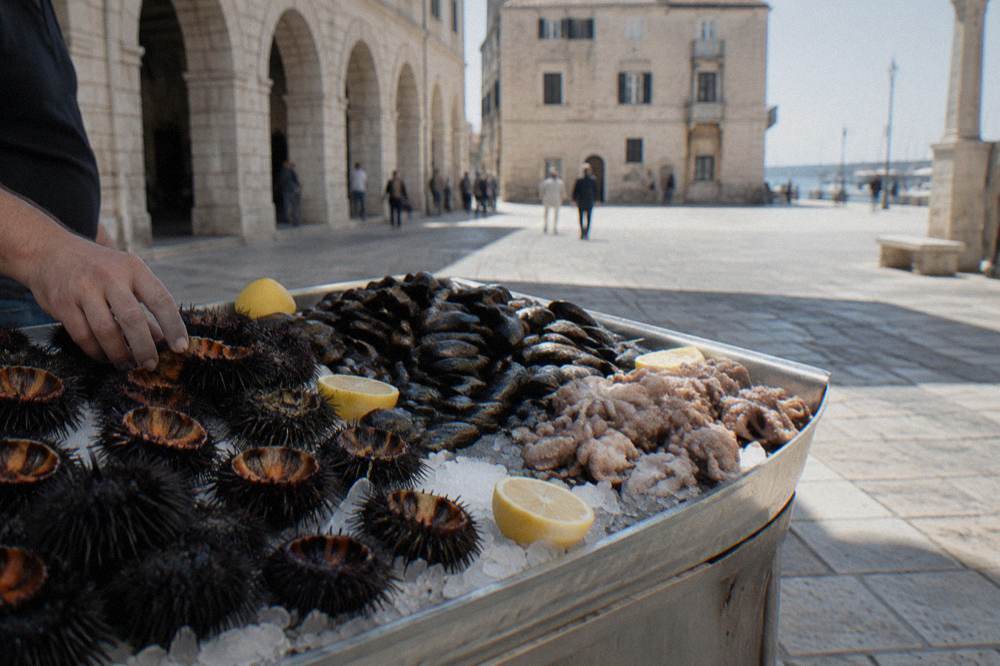
The honest advice is to use both districts. Morning coffee on the grid, a focaccia or panzerotto at midday, then dinner in the old town lanes near Piazza Mercantile or Piazza del Ferrarese, where the evening life of the city concentrates. Raw seafood, including ricci and frutti di mare, appears on menus in the old town near the fish market area at Molo San Nicola; the site's research found no market days or hours to print, so walk down and see.
A cooking class turns the district's food into something you can take home. The pasta and tiramisu class below runs in central Bari and is offered in English where the product card says so, and it sits well on a day when the shops close or the weather turns.
Where To Stay In The Murat District Bari?
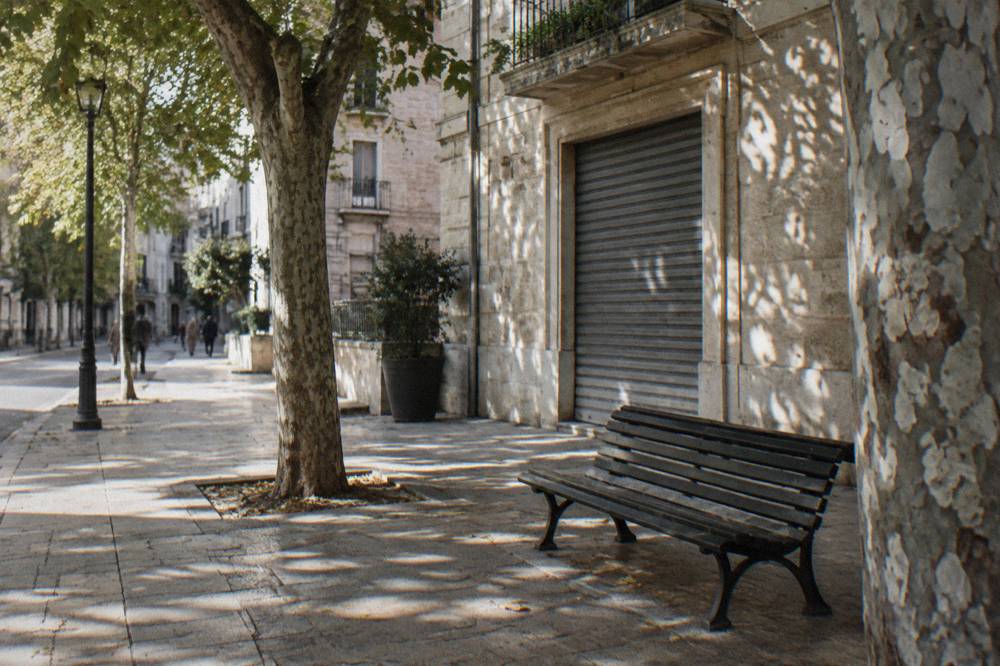
The Murat district is the classic hotel district of Bari: flat, central, walkable to Bari Vecchia in one direction and Bari Centrale in the other, with the promenade to the west. Nightly rates are never printed on this site, but the city's tourist tax is: 1.50 to 4.00 euro per person per night by accommodation category, for a maximum of 4 consecutive nights per calendar year, collected by the accommodation.
The tax table below comes from the comune di Bari's own page on the imposta di soggiorno. Note the band by category, because a flat "1 to 2 euro everywhere" figure is wrong for Bari.
| Accommodation category | Tourist tax per person per night |
|---|---|
| 5-star and luxury hotels | 4.00 EUR |
| 4-star hotels | 3.00 EUR |
| 3-star hotels | 2.00 EUR |
| 1-star and 2-star hotels | 1.50 EUR |
| B&Bs, affittacamere, short lets, holiday homes, hostels, agriturismi | 2.00 EUR |
| 4-star campsites and villages | 3.00 EUR |
Choosing between the grid and the old town is a matter of noise and convenience rather than quality. The grid puts you on straight, quiet-at-night streets with buses and the station close by; the old town puts you inside the atmosphere but inside a limited traffic zone too. If you arrive by rental car, do not drive into Bari Vecchia: a camera gate at the Castello has controlled entry since 1 July 2026, with weekday access windows for authorised vehicles, and perimeter parking near the old town is paid on working days 08:30 to 20:30. The site's hotel guide covers the full picture of areas and property types at where to stay and hotels in Bari.
Murat Or Bari Vecchia: Which Side Of Central Bari Suits You?
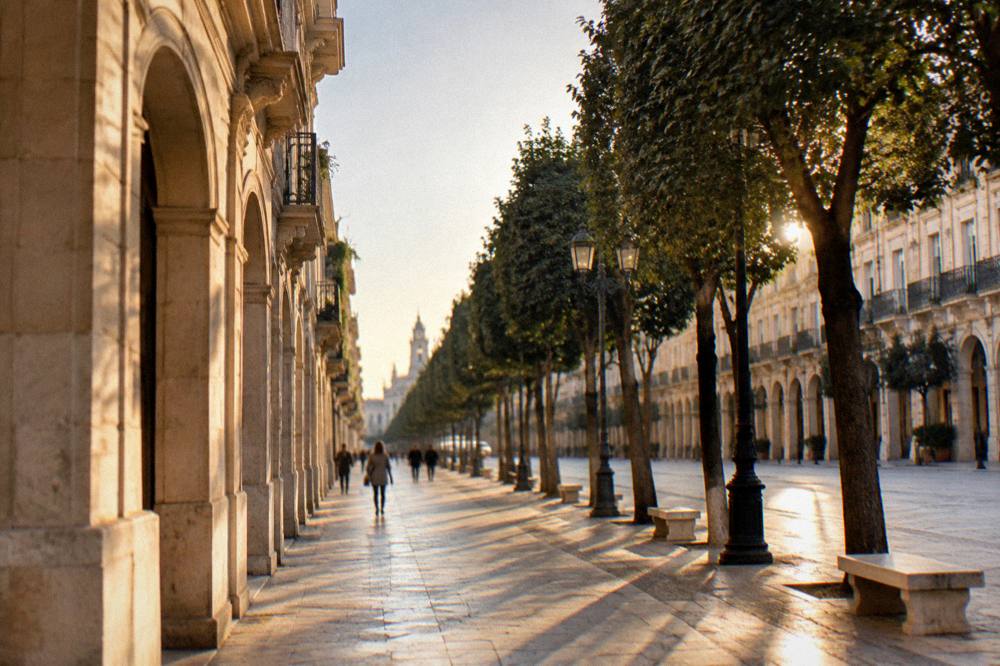
Murat suits travellers who want straight streets, shopping, quick access to the station and a modern hotel base; Bari Vecchia suits travellers who want the historic atmosphere, the Basilica di San Nicola and the sea-wall lanes. The two are a few minutes' walk apart, so the choice is about where you sleep and eat, not about what you can see. The basilica is open Monday to Saturday 06:30 to 20:30 and Sunday 06:30 to 22:00, with no admission fee mentioned on its page.
| Question | Murat district | Bari Vecchia |
|---|---|---|
| Street layout | straight grid | medieval lanes |
| Main draw | Via Sparano shopping, cafes, hotels | Basilica di San Nicola, Cattedrale di San Sabino, Swabian castle |
| Driving | normal city streets | limited traffic zone, camera gate, do not drive in |
| Best for | station access, flat walking, retail | historic atmosphere, evening lanes |
| Nearest ticketed sights | Teatro Petruzzelli tours, 7 EUR full | Castello Normanno-Svevo, 10 EUR full, 2 EUR reduced |
The castle figure above comes from the Musei Puglia ticket page, which also gives its hours: Tuesday to Sunday 09:00 to 19:00, and from October to March a Sunday opening of 09:00 to 13:30 except the first Sunday of each month, when it is 09:00 to 19:00. A Puglia Musei Card at 20 euro covers all regional Musei Puglia sites for 6 months, worth counting up if the castle plus other state museums are on your list.
If you would rather have a guide draw the two halves together, the walking tour below is the site's standard guided option for central Bari.
How Does The Murat District Fit Into A Day In Bari?
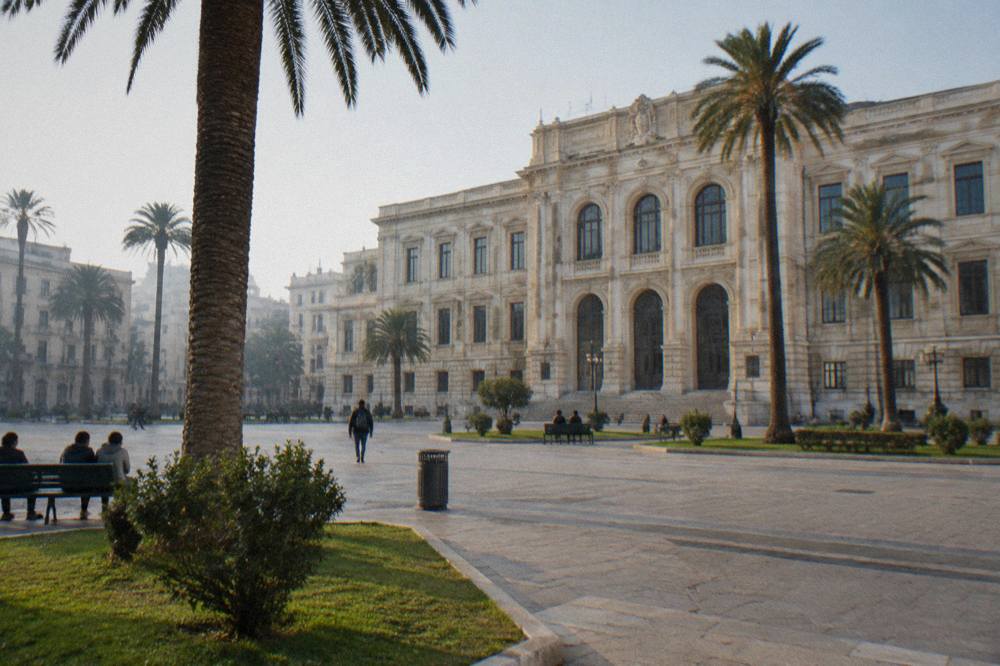
A sensible day in Bari runs through the Murat district twice: once in the morning, walking from the station or your hotel across the grid to Bari Vecchia, and once in the evening, when the cafes and the promenade come into their own. The site's itinerary pages pace this same shape out across one, two or three days in the city, and cruise passengers on a port day can adapt it just as easily.
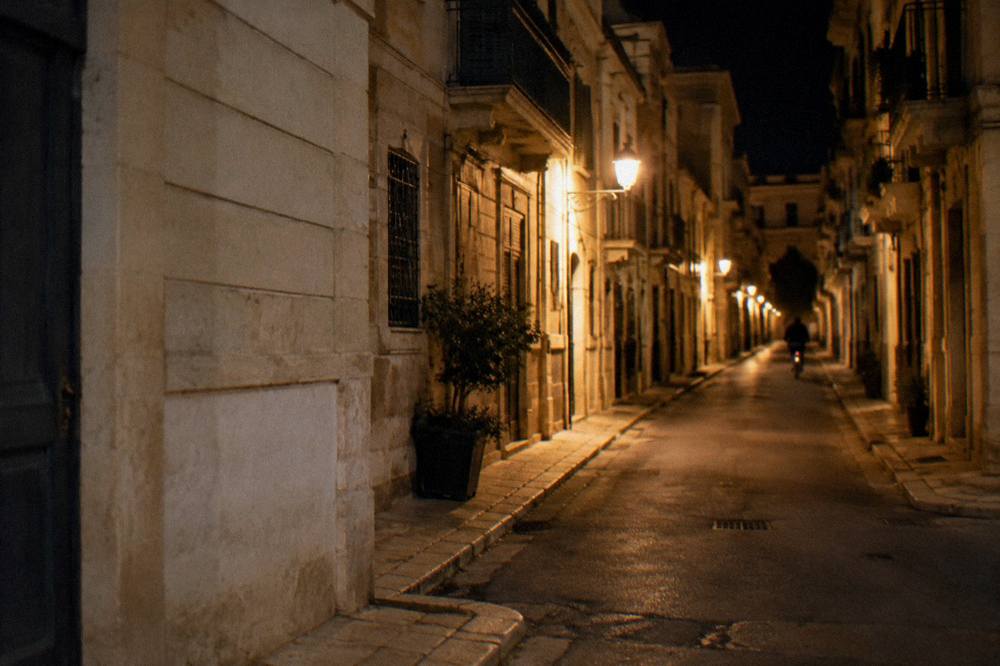
The pacing pages themselves are worth a look: one day in Bari, two days and three days each build outward from the grid, and the Bari cruise port day plan uses the same grid-to-old-town shape for passengers with limited hours.
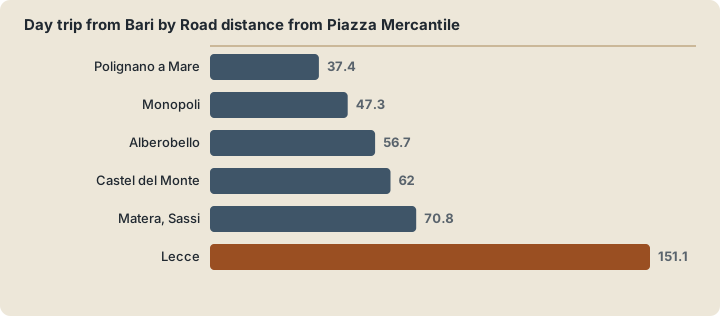
The grid is also the launch pad for the region's day trips, because Bari Centrale sits on its eastern edge. Trenitalia regional trains on the Bari-Lecce line serve Polignano a Mare at 33 km, Monopoli at 41 km, Ostuni at 75 km and Lecce at 150 km along the line, and the Trulli Link service links Trenitalia and FSE trains toward Locorotondo, Alberobello and Martina Franca in the Valle d'Itria, with the FSE leg reported at 5.90 euro on top of the rail fare, so confirm before you go. FAL runs the rail line toward Altamura, Gravina in Puglia and Matera. Matera is in Basilicata, not Puglia: the trip crosses a regional border.
| Day trip from Bari | Road distance from Piazza Mercantile | Free-flow drive time |
|---|---|---|
| Polignano a Mare | 37.4 km | about 36 min |
| Monopoli | 47.3 km | about 43 min |
| Alberobello | 56.7 km | about 61 min |
| Castel del Monte | 62.0 km | about 59 min |
| Matera, Sassi | 70.8 km | about 69 min |
| Lecce | 151.1 km | about 115 min |
The distance table is measured from Piazza Mercantile, at the seam between the old town and the grid, so add only a few minutes' walk from anywhere in Murat. Cruise visitors with a single day in port can follow the site's port-day plan, which keeps the same shape.
What Is The Weather Like Around The Murat District In Bari?
Bari, including the Murat district, has a Mediterranean climate: typical values from modelled ERA5 data, 1991 to 2020 show July with a mean daily maximum of 28.6 C and August 29.1 C, January and February daytime highs of about 12 C, and about 587 mm of rain across the year. November carries 73 mm of rain on average and August 20 mm, with about 4 rain days in July and August.
The grid is a fair-weather district: its straight streets and arcades give shade in summer, and its flatness makes it comfortable in winter, when the mean daily low dips to 7.2 C in February. The sea, for anyone planning the promenade end of a visit, is about 27 C in July and August and about 14 C in February, as modelled 2023 to 2025 means.
| Month | Mean high C | Mean low C | Rain mm |
|---|---|---|---|
| Jan | 12.1 | 7.3 | 60.0 |
| Apr | 17.5 | 11.2 | 54.0 |
| Jul | 28.6 | 22.0 | 22.0 |
| Aug | 29.1 | 22.4 | 20.0 |
| Oct | 21.1 | 15.6 | 63.0 |
| Nov | 16.9 | 12.0 | 73.0 |
Shopping, cafe mornings and a theatre tour are the rain-day options in the district, and the site carries a fuller set of indoor ideas in its museums and rainy-day coverage. Whatever the month, the second band of picks below covers the walks, classes and food tours that run from this district through the rest of central Bari.
Common Questions About The Murat District In Bari
Is the Murat district the centre of Bari?
Yes, in practical terms. The grid of Murat sits between Bari Vecchia and Bari Centrale station and holds Via Sparano, the main pedestrian shopping street, so it functions as the commercial centre of the city.
How far is the Murat district from Bari Vecchia?
The two districts meet: Piazza del Ferrarese and Piazza Mercantile sit at the seam, and the walk from the top of the shopping grid into the old-town lanes takes only a few minutes on flat ground.
Can you walk from Bari Centrale to the Murat district?
Yes. The station forecourt at piazza Aldo Moro stands at the eastern edge of the grid, and the walk into the heart of the district, including Via Sparano, is short and flat.
Is the Murat district good for shopping in Bari?
Yes. Via Sparano is the pedestrian shopping street of the city, with department stores and chain retail, and the cross streets of the grid hold smaller shops and cafes. The site's research names Via Sparano as the Murat shopping street; check Sunday opening locally.
Should you stay in Murat or in Bari Vecchia?
Murat suits travellers who want straight streets, station access and modern hotels; Bari Vecchia suits travellers who want the historic lanes. Do not drive into Bari Vecchia: it is a limited traffic zone with a camera gate. The site's hotel guide compares the areas in detail.
Is there a tourist tax on hotels in the Murat district?
Yes. Bari charges a per person, per night fee set by accommodation category, for a maximum of 4 consecutive nights per calendar year, collected by the accommodation at checkout.
The Murat district rewards a slow approach: shop the grid in the morning, cross into Bari Vecchia for the basilica and the sea wall, and come back through the grid at dusk for the promenade end of the Lungomare Nazario Sauro. Between the station, the old town and the sea, every part of central Bari is within a flat walk of this one quarter, and that is exactly what it was built for.