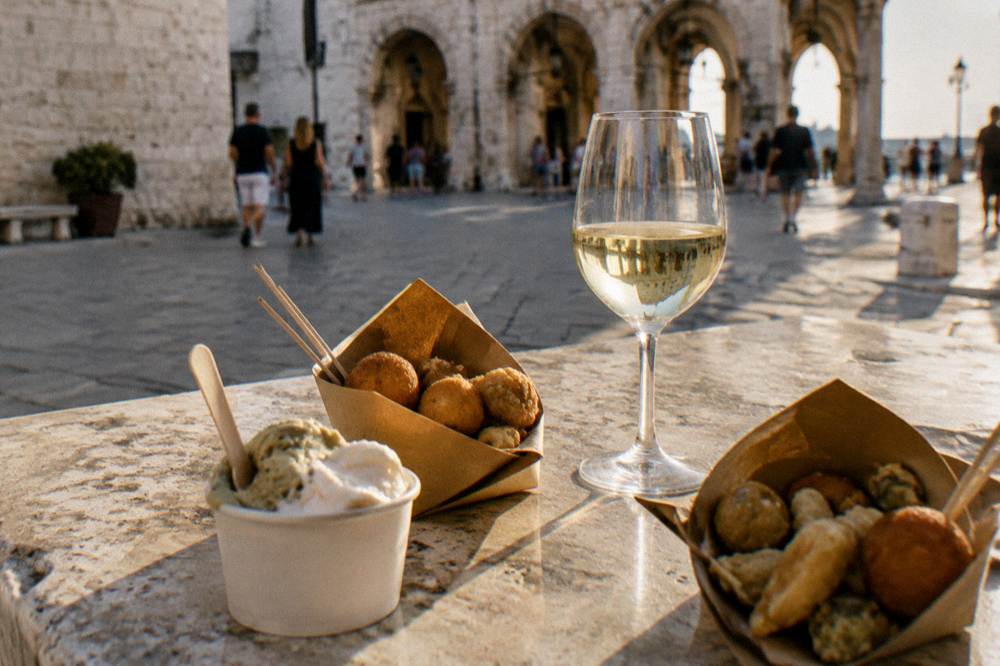
Focaccia Barese: The Potato And Tomato Bake Of Bari
Focaccia barese is the tomato-topped, olive-studded flatbread baked across Bari, the capital of Puglia on the Adriatic coast of southern Italy, and it is as much a part of the city's day as the Basilica di San Nicola or the Lungomare Nazario Sauro.
Short answer
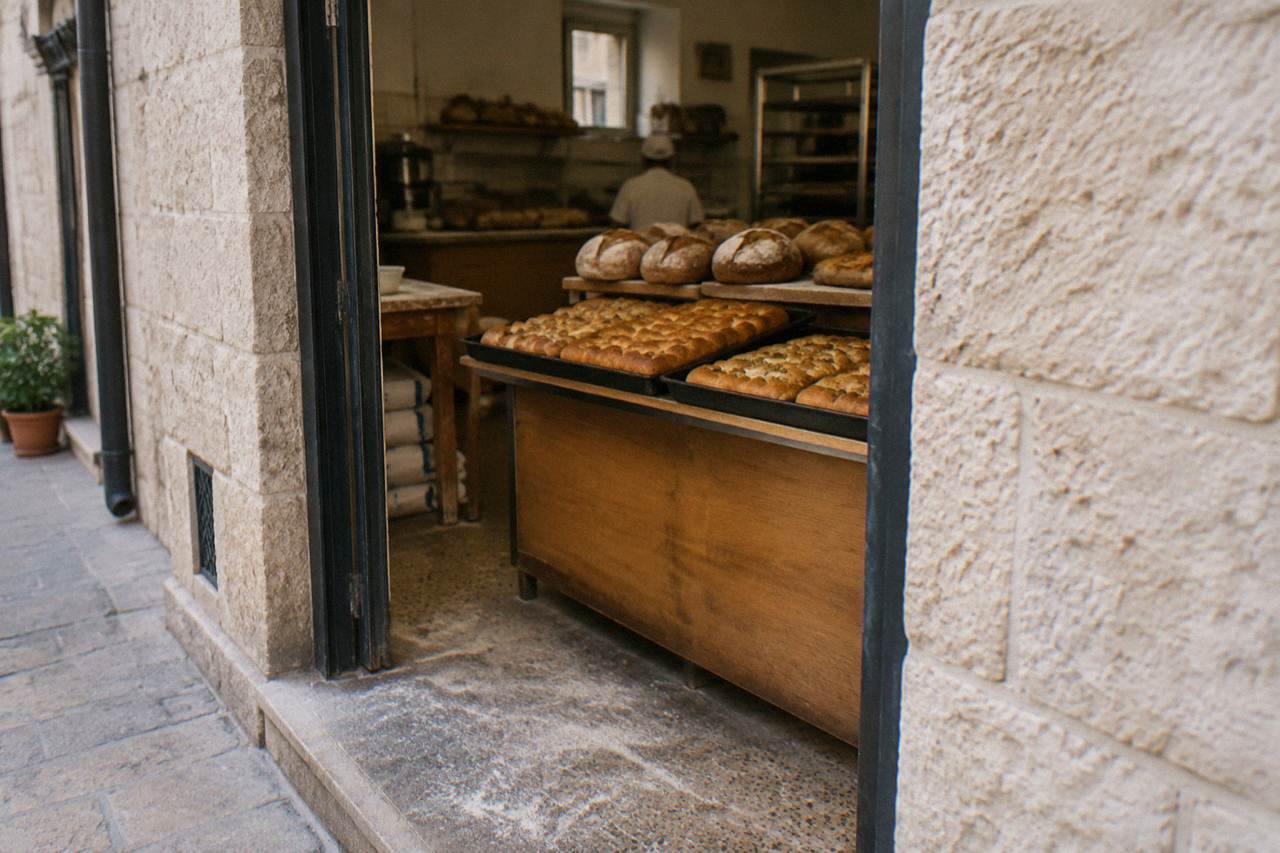
Focaccia barese is a soft flatbread topped with tomatoes, olives and oregano, sold by weight in the bakeries of Bari Vecchia and the Murat district, and taught in cooking classes across the city.
Focaccia barese is the tomato and olive flatbread that Bari, the coastal capital of Puglia on the Adriatic Sea in southern Italy, bakes by the trayload every day. Visitors come for the Basilica di San Nicola and the Swabian castle and find themselves, within a few streets, holding a paper-wrapped slice bought by weight. This page explains what the bread is, where it sits in the city's food culture, how a cooking class teaches it, and how it fits into a wider trip that takes in orecchiette, panzerotti and the hill towns of the Valle d'Itria. For the broader eating picture, start with the Bari street food guide and the main things to do in Bari.
What Is Focaccia Barese?
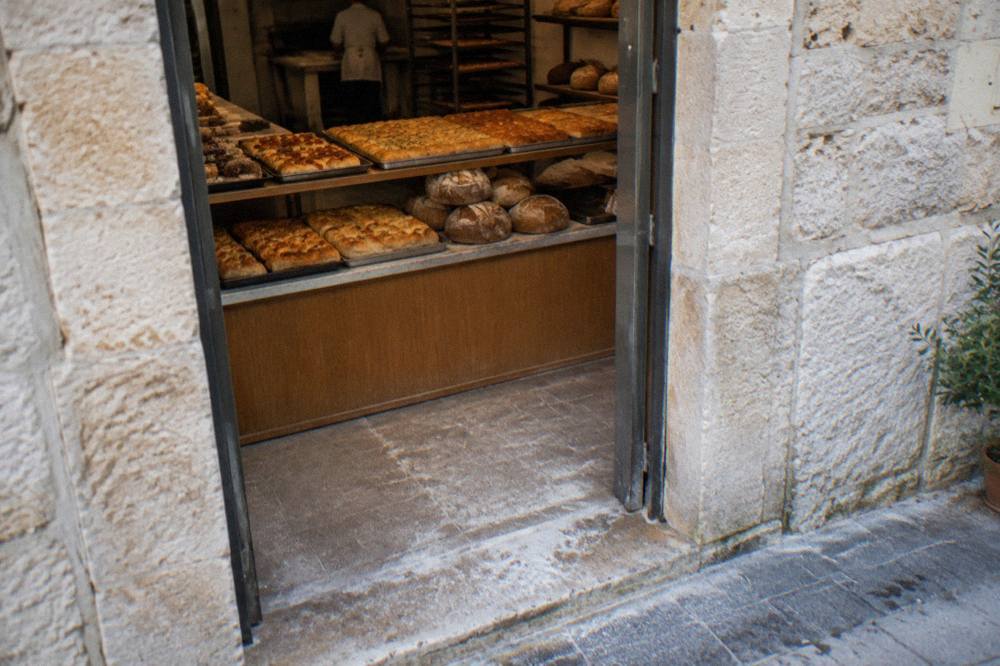
Focaccia barese is a soft, golden flatbread from Bari in Puglia, topped with fresh tomatoes, olives and oregano and sold by weight in the city's bakeries, where it is cut from rectangular trays and eaten warm. It is one of the signature street foods of the city alongside orecchiette and panzerotti, and it appears in bakery windows across Bari Vecchia, the Murat district and the markets.
What gives the bread its character is the dough, which bakers in the region make soft and moist so it rises high in an oiled tray, and the topping, in which crushed tomatoes, salt and oregano sit in olive oil that soaks back into the crust as it bakes. Black olives press dimples into the surface. The result is somewhere between bread and pizza, softer than a Neapolitan base and oilier than anything from Liguria.
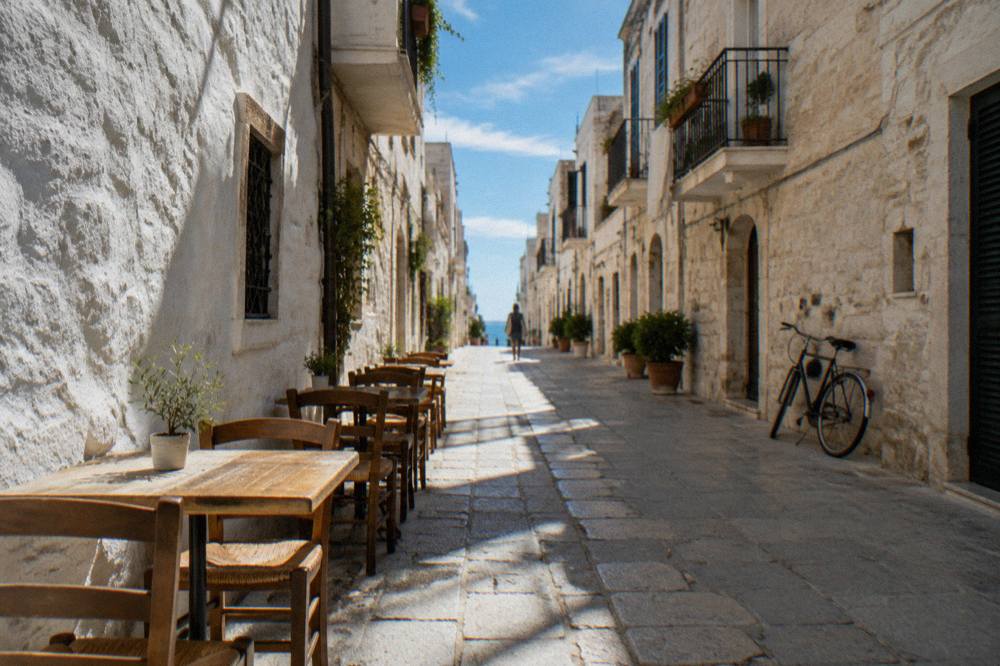
The name matters for travellers, because "focaccia" means different things in different parts of Italy and a visitor arriving from Genoa or Bari's own Adriatic neighbours will find a different product under the same word. In Bari the bread belongs to the everyday economy of the old town: it is sold by the etto, the hundred-gram unit Italy uses for deli goods, and priced by weight rather than by the piece. Bakeries refresh their trays through the day, and the smell of tomato and oregano drifting down a lane in Bari Vecchia is one of the small signatures of the district.
A note on what this page will not do: no bakery, shop or trattoria in Bari is named here as the definitive one, and no queue length or opening hour is claimed, because no official source carries those details. What the page can do is place the bread in its district, describe how a class teaches it, and point to the experiences a visitor can actually book, from a guided tasting walk to a full hands-on session.
Where Do You Eat Focaccia Barese In Bari?
The two districts to head for are Bari Vecchia, the old town on the headland around the Basilica di San Nicola, Piazza Mercantile and Strada Arco Basso, and the Murat district, the grid of shopping streets inland around Via Sparano. Both hold bakeries selling the bread by weight, and both are walkable from Bari Centrale and from the Lungomare Nazario Sauro seafront.
Bari Vecchia is the denser of the two experiences. The old town holds the lanes most associated with the city's food reputation, including Strada Arco Basso, the street widely known for its pasta makers and described in more detail in the orecchiette in Bari guide. Around Piazza del Ferrarese and Piazza Mercantile the bakeries, friggitorie and bars sit within a few minutes' walk of each other, so a focaccia stop fits naturally between the basilica and the Swabian castle. The castle, for the record, costs 10 EUR full and 2 EUR reduced and opens Tuesday to Sunday 09:00 to 19:00, per the Musei Puglia ticket page, so a morning of sightseeing leaves room for a midday slice.
The Murat district is the more orderly complement: a grid of shopfronts and arcades where the focaccia counters sit among bookshops and clothes stores. It is also where a good part of the city's formal eating happens, covered in the Bari restaurants guide. Madonnella, the quarter between the Murat grid and the seafront, adds its own cluster of small food shops within sight of the water.
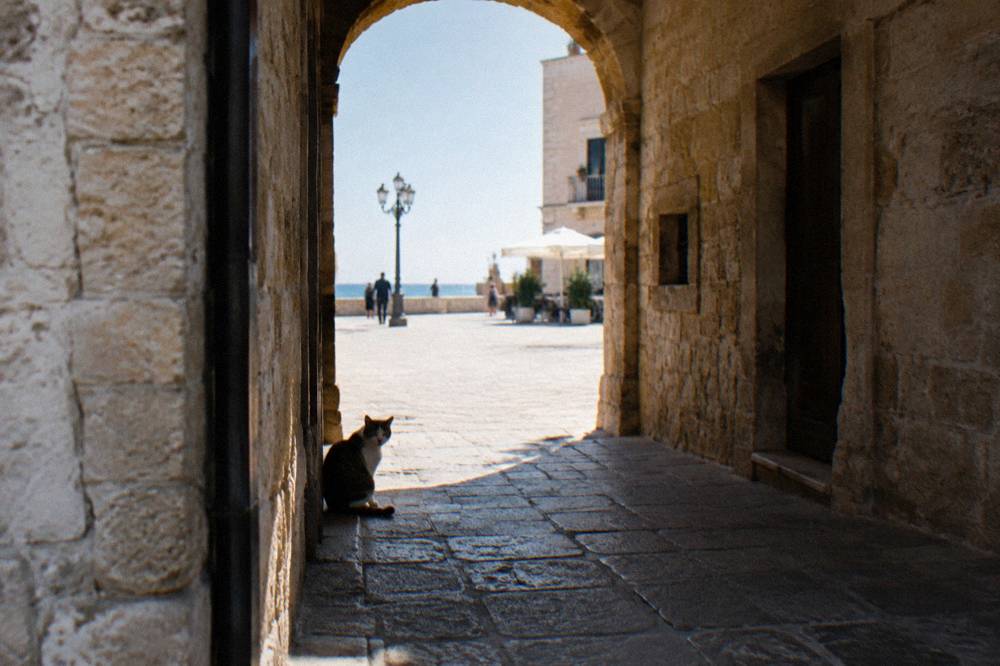
Two practical cautions come with the geography. First, Bari Vecchia is a limited traffic zone with a camera gate at the Castello since 1 July 2026, so a rental car stays outside the old town, parked in the perimeter areas where payment applies on working days 08:30 to 20:30. Second, the old town is compact but the lanes confuse GPS, so walking in from Piazza del Ferrarese and following the food smells is a sounder strategy than searching for a specific address. A guided walk solves both problems at once, and the tours below pair the bakeries with a broader tasting of the city.
How Does A Focaccia Barese Cooking Class In Bari Work?
A focaccia barese cooking class in Bari is a hands-on session, usually in a home kitchen or cookery studio, in which participants mix and knead the dough, press it into an oiled tray, top it with tomato, olives and oregano, and eat the results, often alongside a pasta dish such as orecchiette. Sessions are bookable in English where the listing says so, and prices render on the operator's live listing.
The dough is the heart of the lesson. Focaccia barese depends on a wet, soft dough and a long, gentle handling, and classes teach it by feel rather than by weigh scale alone: how the dough should stretch, how it relaxes in the tray, how much olive oil pools beneath it before baking. The topping is the easier half, tomatoes crushed by hand with salt and oregano, olives pushed into the surface, and the class usually closes with a shared meal of what the group has baked.
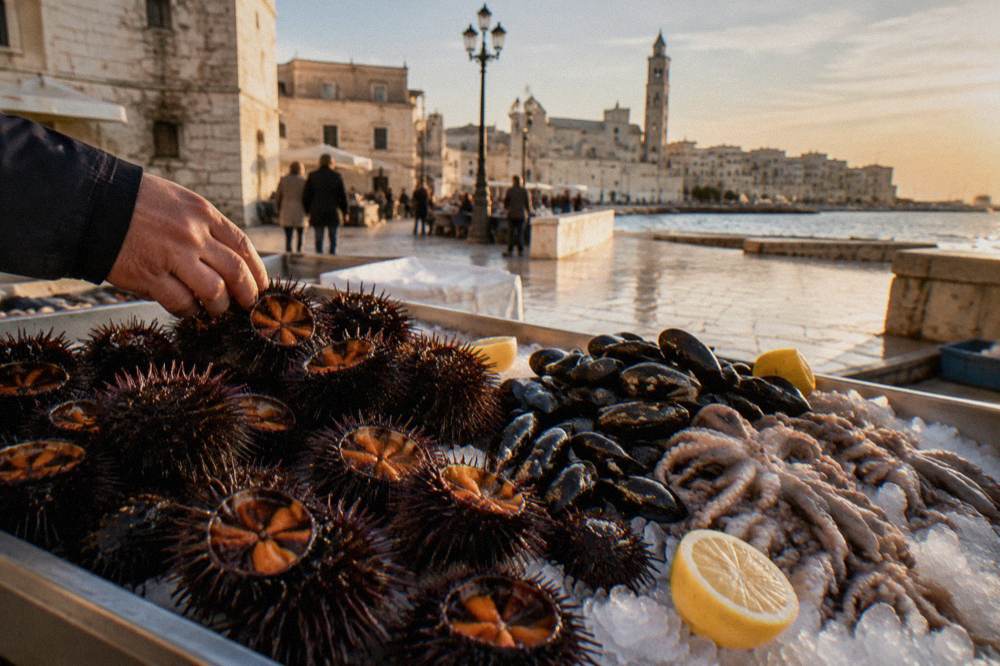
Several formats exist on the Bari roster. The featured class on this page, the Traditional Focaccia and Orecchiette session, covers both the bread and the pasta shape in one sitting, and it can be checked and reserved through Check availability. Other options bake focaccia with wine and fresh pasta in a single session, or fold the bread into a small-group pasta and tiramisu class. The differences are mostly about depth and group size, and the listing for each one states what is included, from ingredients to the meal at the end.
Choosing between them comes down to appetite. A visitor whose interest is the bread alone should pick a class whose description names focaccia explicitly; a visitor who wants the whole table, bread, orecchiette and a sweet, gets more out of a longer session. Families do well with the hands-on formats, since dough is forgiving and every participant eats their own work.
Focaccia Barese Versus Focaccia From Genoa: What Is The Difference?
Focaccia barese is a thick, moist flatbread dimpled by tomatoes and olives and baked in an oiled tray, while Genoese focaccia is a thinner, softer, plain bread loaded with olive oil and salt and served without toppings, so the two share a name and a technique but not a finished product. In Bari the bread sits closer to pizza than to the Ligurian version.
The comparison matters because travellers often meet the Genoese kind first, either in northern Italy or in bakeries abroad. The table sets out the practical differences a visitor will notice on the plate.
| Aspect | Focaccia barese | Genoese focaccia |
|---|---|---|
| Base | Thick, soft, high-risen | Thinner, soft, even |
| Topping | Crushed tomato, olives, oregano | Olive oil and coarse salt only |
| Texture | Moist crumb, oily base, crisp underside | Uniform soft crumb |
| How sold | Cut from trays, by weight | Sold in flat slabs, by weight |
| Where found | Bakeries and friggitorie of Bari and Puglia | Bakeries of Liguria |
There is a third cousin worth naming for completeness: pizza in its Neapolitan sense, which shares the tomato and the oven but not the dough or the pan. In Bari the focaccia counter and the pizzeria are separate institutions, and the visitor who orders focaccia at a pizzeria may get something close to a pizza al taglio instead. Asking for focaccia barese by name keeps the order clear.
What Else Should You Eat In Bari Besides Focaccia Barese?
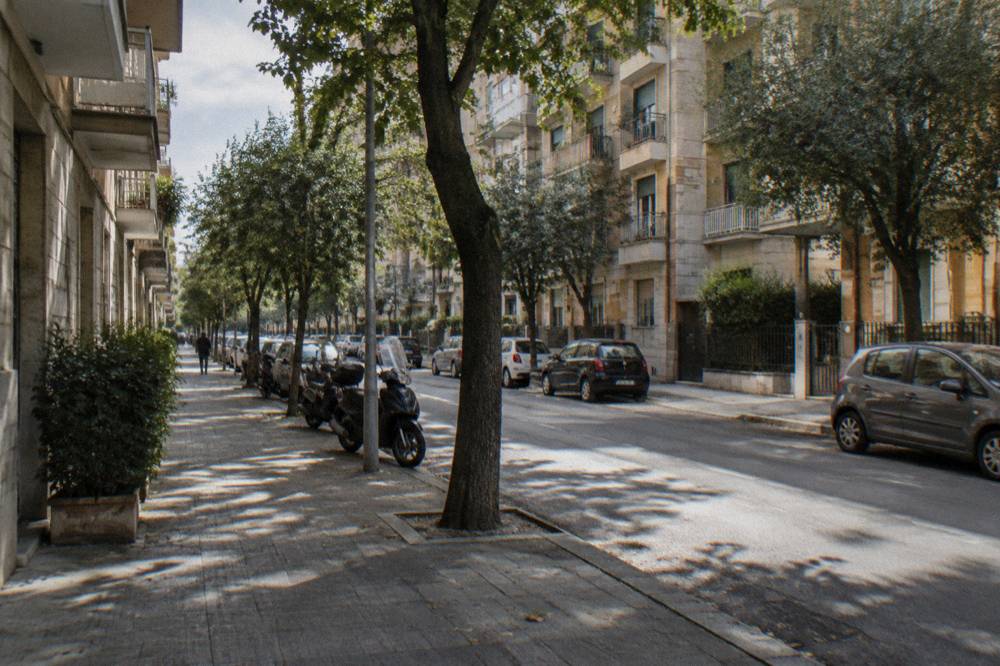
The four other names to know in Bari are orecchiette, the ear-shaped pasta of Puglia served with turnip tops; panzerotti, small fried pockets of dough filled with tomato and mozzarella; sgagliozze, fried squares of polenta sold as street food in the old town; and raw seafood, including sea urchins and other frutti di mare, at the fish counters near the old port. Each can be described in one sentence, and each is covered in its own guide.
Bari's food identity is street-first, which is unusual for a regional capital. The old town's lanes work as an open-air larder, and a visitor can assemble a full meal by walking: a slice of focaccia from one counter, a paper cone of sgagliozze from another, raw seafood at the Molo San Nicola fish market, described in general terms only, and orecchiette at a trattoria to finish. The Bari street food guide maps this walk in full.
| Dish | What it is | Where it fits |
|---|---|---|
| Orecchiette | The ear-shaped pasta of Puglia, served with turnip tops | Trattorie of Bari Vecchia, and pasta classes |
| Panzerotti | Small fried dough pockets filled with tomato and mozzarella | Friggitorie and street counters |
| Sgagliozze | Fried squares of polenta, salty and crisp | Street counters in Bari Vecchia |
| Raw seafood | Sea urchins and other frutti di mare served raw | Fish market at Molo San Nicola and seafood bars |
| Focaccia barese | Soft tomato and olive flatbread sold by weight | Bakeries across the city |
The cooking classes mirror this spread. Several Bari sessions combine orecchiette with tiramisu, others fold focaccia into a wider menu, and one street food tour by bike carries the tasting across the whole old town, stopping at several counters. The tour below is the natural companion to a focaccia-focused trip, since it puts the bread in the context of the city's other bites, with gelato to close.
When Is The Best Time To Visit Bari For Focaccia And Food?
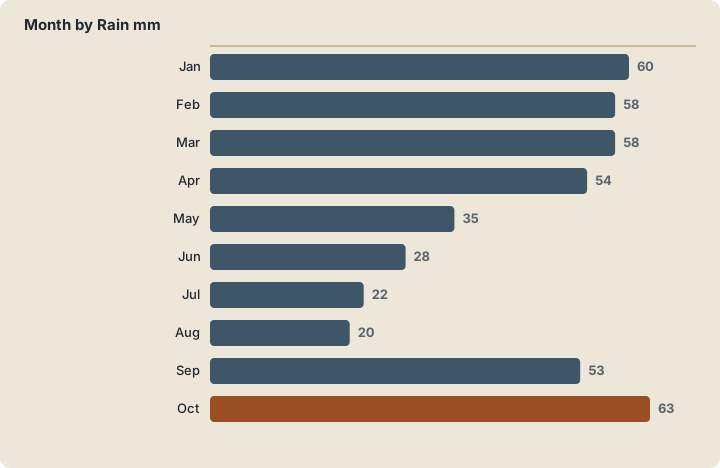
The warm months from May to September suit a food-focused visit to Bari, when typical values from modelled ERA5 data, 1991 to 2020, show July and August mean daily highs of 28.6 C and 29.1 C and only about 4 rain days a month, while May and September sit at 21.6 C and 25.1 C with 35 mm and 53 mm of rain. The city's food counters run all year, so shoulder months trade heat for thinner crowds.
The climate table below is the one this site uses throughout, and it rewards a close read rather than a glance. November carries 73 mm of rain, August 20 mm, and the year totals about 587 mm, which is drier than northern Italy across the calendar.
| Month | Mean daily high C | Mean daily low C | Rain mm | Rain days |
|---|---|---|---|---|
| Jan | 12.1 | 7.3 | 60.0 | 9.5 |
| Feb | 12.5 | 7.2 | 58.0 | 9.4 |
| Mar | 14.7 | 8.8 | 58.0 | 9.4 |
| Apr | 17.5 | 11.2 | 54.0 | 9.0 |
| May | 21.6 | 15.3 | 35.0 | 6.9 |
| Jun | 25.9 | 19.5 | 28.0 | 4.8 |
| Jul | 28.6 | 22.0 | 22.0 | 4.1 |
| Aug | 29.1 | 22.4 | 20.0 | 4.3 |
| Sep | 25.1 | 19.1 | 53.0 | 7.6 |
| Oct | 21.1 | 15.6 | 63.0 | 7.9 |
| Nov | 16.9 | 12.0 | 73.0 | 8.9 |
| Dec | 13.2 | 8.7 | 63.0 | 9.6 |
Two events also shape the calendar. The Festa di San Nicola runs 7 to 9 May by tradition and fills the old town with a historical procession, and the Fiera del Levante trade fair closed its most recent edition. A visitor planning around either should book early, and the best time to visit Bari guide carries the fuller seasonal picture.
How Does Focaccia Barese Fit Into A Day Of Sightseeing In Bari?
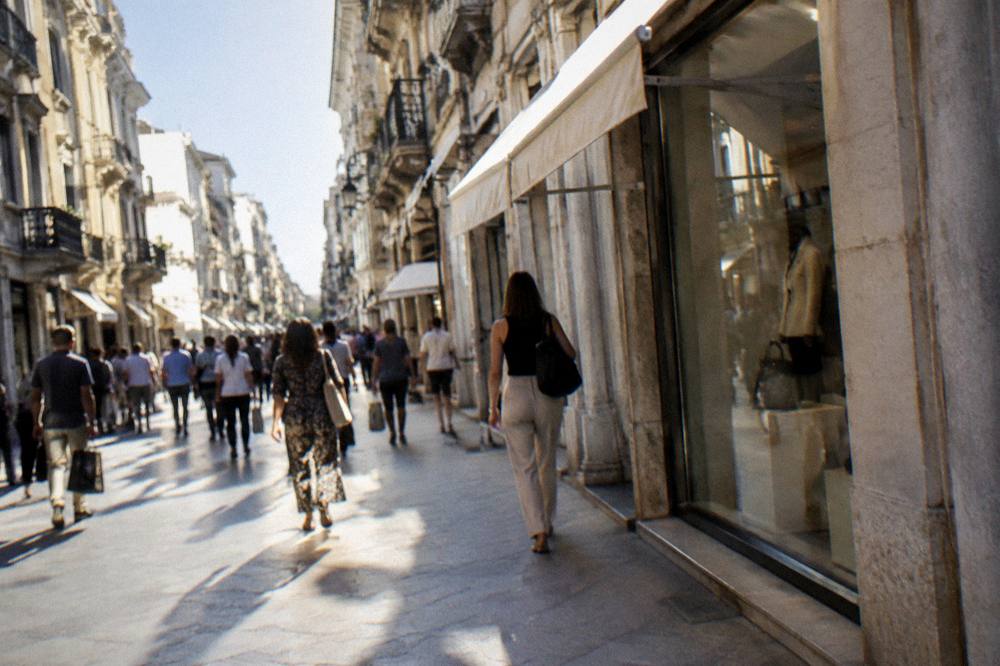
Focaccia barese fits a Bari day as the mid-morning or lunch stop, because the bakeries of Bari Vecchia sit inside a five-minute walk of the Basilica di San Nicola, the Cattedrale di San Sabino, Piazza Mercantile and the Castello Normanno-Svevo, so a single loop of the old town collects the city's main sights and its bread counters at once, without transport.
The basilica itself opens Monday to Saturday 06:30 to 20:30 and Sunday 06:30 to 22:00, with no admission fee mentioned on its page, so it can anchor an early start. The Swabian castle costs 10 EUR full and 2 EUR reduced. Between them, the old town's two squares and the lanes around Strada Arco Basso carry the food. A first-time circuit is mapped hour by hour in the one day in Bari itinerary, and visitors staying longer can extend to the seafront along the Lungomare Nazario Sauro and the city beaches.
| Stop in Bari Vecchia or nearby | Hours | Price |
|---|---|---|
| Basilica di San Nicola | Mon-Sat 06:30-20:30, Sun 06:30-22:00 | No admission fee mentioned |
| Castello Normanno-Svevo | Tue-Sun 09:00-19:00, Oct-Mar Sundays 09:00-13:30 | 10 EUR full, 2 EUR reduced |
| Pinacoteca Metropolitana Corrado Giaquinto | Tue-Sat 09:00-19:00, Sun 09:00-13:00 | 5 EUR full, 2 EUR reduced, 8 EUR combined |
| Museo Archeologico di Santa Scolastica | Tue-Sat 09:00-19:00 | 5 EUR full, 2 EUR reduced, combined ticket available |
| Teatro Petruzzelli guided tours | Dated slots published monthly | 7 EUR full, 2 EUR reduced |
One pairing worth flagging pairs the food with the underground. Bari Vecchia sits on layers of earlier construction, and a guided tour led by an archaeologist takes visitors below the streets, an experience that sits well before or after a focaccia stop in the same lanes. The pick below is that tour.
Can You Find Focaccia Barese Beyond Bari?
Focaccia barese belongs to Bari and the wider Puglia region, and versions of the same tomato-topped bread appear in the towns that ring the city, including Polignano a Mare, Monopoli, Alberobello and Locorotondo, so a day trip out of Bari does not mean leaving the bread behind. The differences between towns are subtle and no official source ranks them, so the choice of destination can rest on the coast, the trulli or the scenery instead.
The day-trip network from Bari is unusually generous, and the roads below are free-flow drive times computed from Piazza Mercantile.
| Day trip from Bari | Road distance | Drive time |
|---|---|---|
| Polignano a Mare | 37.4 km | about 36 min |
| Monopoli | 47.3 km | about 43 min |
| Alberobello | 56.7 km | about 61 min |
| Locorotondo | 68.8 km | about 58 min |
| Ostuni | 85.3 km | about 73 min |
| Matera (Sassi), in Basilicata | 70.8 km | about 69 min |
| Castel del Monte | 62.0 km | about 59 min |
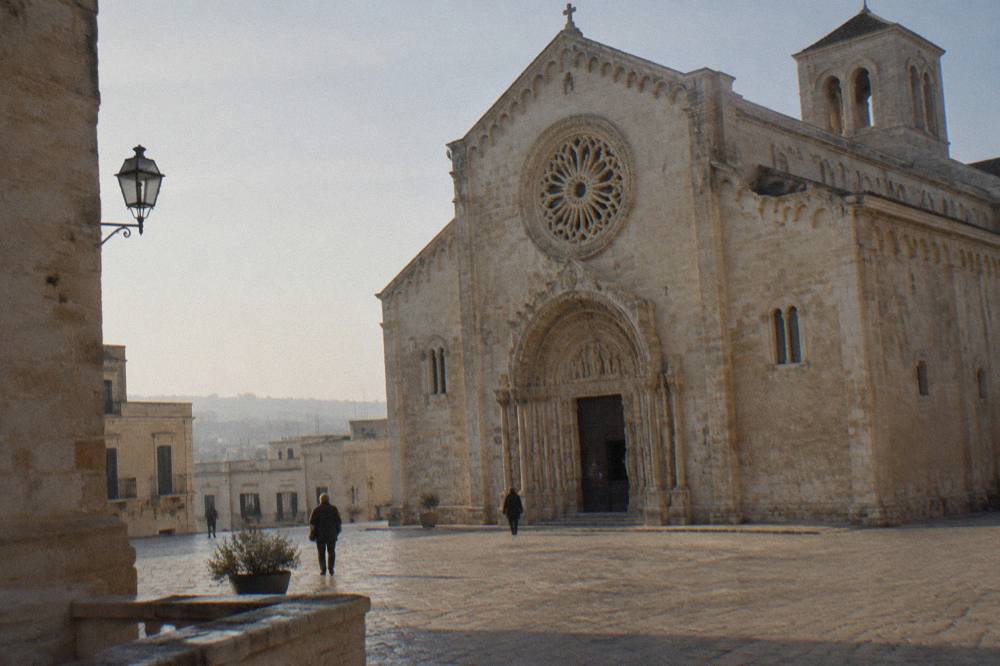
Polignano a Mare, 33 km from Bari Centrale by rail on the Trenitalia Bari-Lecce line, pairs the bread with a clifftop old town above the Lama Monachile inlet. Alberobello and Locorotondo, in the Valle d'Itria, are reachable through the Trulli Link service that connects Trenitalia and FSE trains with buses. Matera lies across the regional border in Basilicata, a detail worth repeating because guides often place it in Puglia, and the FAL railway line from Bari reaches it. Each town has its own guide on this site, from Polignano a Mare to Matera.
What Should You Know Before Booking A Food Experience In Bari?
Before booking a food experience in Bari, check three things on the operator's live listing: whether the session is offered in English, what the from-price covers, since some classes include a full meal and others only a tasting, and the cancellation terms, since many Bari experiences allow free cancellation up to a day before departure.
The practical layer around a food trip to Bari is straightforward. The airport, Karol Wojtyla at Palese, connects to Bari Centrale by a Ferrotramviaria train that takes 17 minutes and costs 5.30 EUR for a single, with the station inside the terminal; a taxi to a city-centre hotel is a predetermined 25 EUR. City buses cost 1.00 EUR for a single ride, 1.20 EUR for 90 minutes and 2.50 EUR for a day ticket per the AMTAB fares page. The tourist tax runs 1.50 to 4.00 EUR per person per night by accommodation category, for a maximum of 4 consecutive nights. All of this is covered in the getting to Bari guides.
Where to stay shapes the food trip less than in bigger cities, because Bari Vecchia and the Murat district are a short walk apart and both sit within range of the bakeries. The where to stay in Bari guide lays out the districts.
For readers comparing the bookable options side by side, the trio below gathers this page's featured picks once more: the focaccia and orecchiette class, the street food tour with focaccia and gelato, and the underground archaeology walk.
Common Questions About Focaccia Barese
What is focaccia barese?
Focaccia barese is a soft, thick flatbread from Bari in Puglia, topped with crushed tomatoes, olives and oregano and baked in an oiled tray. It is sold by weight in the city's bakeries and eaten warm, and it stands alongside orecchiette and panzerotti as a signature food of the city.
Where can I buy focaccia barese in Bari?
Bakeries across Bari Vecchia, the old town around the Basilica di San Nicola and Piazza Mercantile, and across the Murat district sell focaccia barese by weight. No individual bakery is named on this page, since no official ranking exists; any counter displaying the trays in the window sells it by the etto.
Is focaccia barese the same as pizza?
No. Focaccia barese is a thicker, softer bread baked in an oiled rectangular tray with tomato and olives pressed into the top, while pizza is thinner and round. In Bari the two are sold in different shops, and asking for focaccia barese by name keeps the order clear.
Can you learn to make focaccia barese in a cooking class in Bari?
Yes. Hands-on classes in Bari teach the dough, the tray, the topping and the bake, often alongside orecchiette, and the session usually ends with a shared meal. The featured class on this page can be checked through the operator's live listing, where prices and current availability render.
Is focaccia barese available outside Bari?
Versions of the tomato-topped bread appear across Puglia, including in Polignano a Mare, Monopoli, Alberobello and Locorotondo, all reachable as day trips from Bari. Matera, also a day trip, lies in Basilicata and has its own bread traditions.
How much does focaccia barese cost?
The bread is sold by weight, so the price depends on the size of the piece and the shop, and no official price list exists. Check the posted price at the counter before ordering, which is normal practice at Italian bakeries selling by the etto.
Focaccia barese is a small reason to visit Bari and a good one, because the bread sits at the centre of everything else the city does well: a compact old town, a working seafront, and day trips that fan out across Puglia and into Basilicata. Read more about the city's food and sights on the Bari Italy Travel Guide homepage, and start with the Bari street food guide for the full tasting walk through Bari Vecchia.