What Is Nicer, Puglia Or Sicily?
Puglia or Sicily? A plain comparison of sights, travel logistics, weather and food from Bari, the capital of Puglia, with day-trip distances and museum prices.
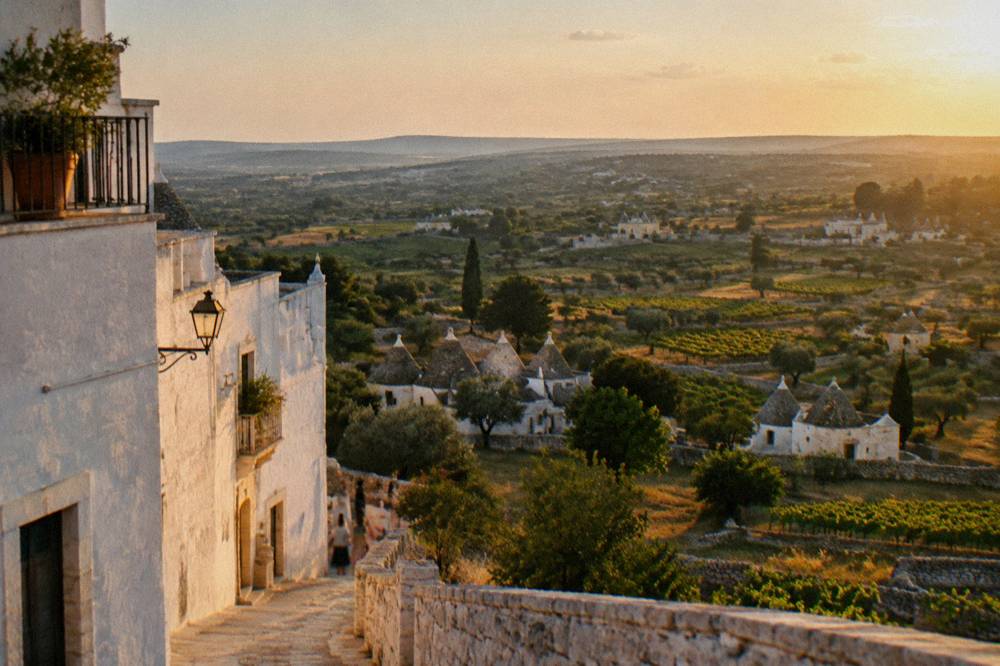
Bari is the capital of the Puglia region in southern Italy, a coastal city on the Adriatic Sea, and it is the place a Puglia-versus-Sicily comparison has to start from. Puglia is the heel of the Italian boot: a long region of towns like Polignano a Mare, Monopoli, Alberobello, Ostuni and Lecce, with Matera, over the regional border in Basilicata, an hour's drive away. Sicily is the island off the toe, a separate world with Palermo, Catania, Mount Etna and a chain of Greek temples, reached by a short flight or a long train-and-ferry journey. Neither is "nicer" in any absolute sense. The honest answer is that they reward different trips, and the differences that matter can be stated in plain figures rather than adjectives.
What Is Nicer, Puglia Or Sicily?
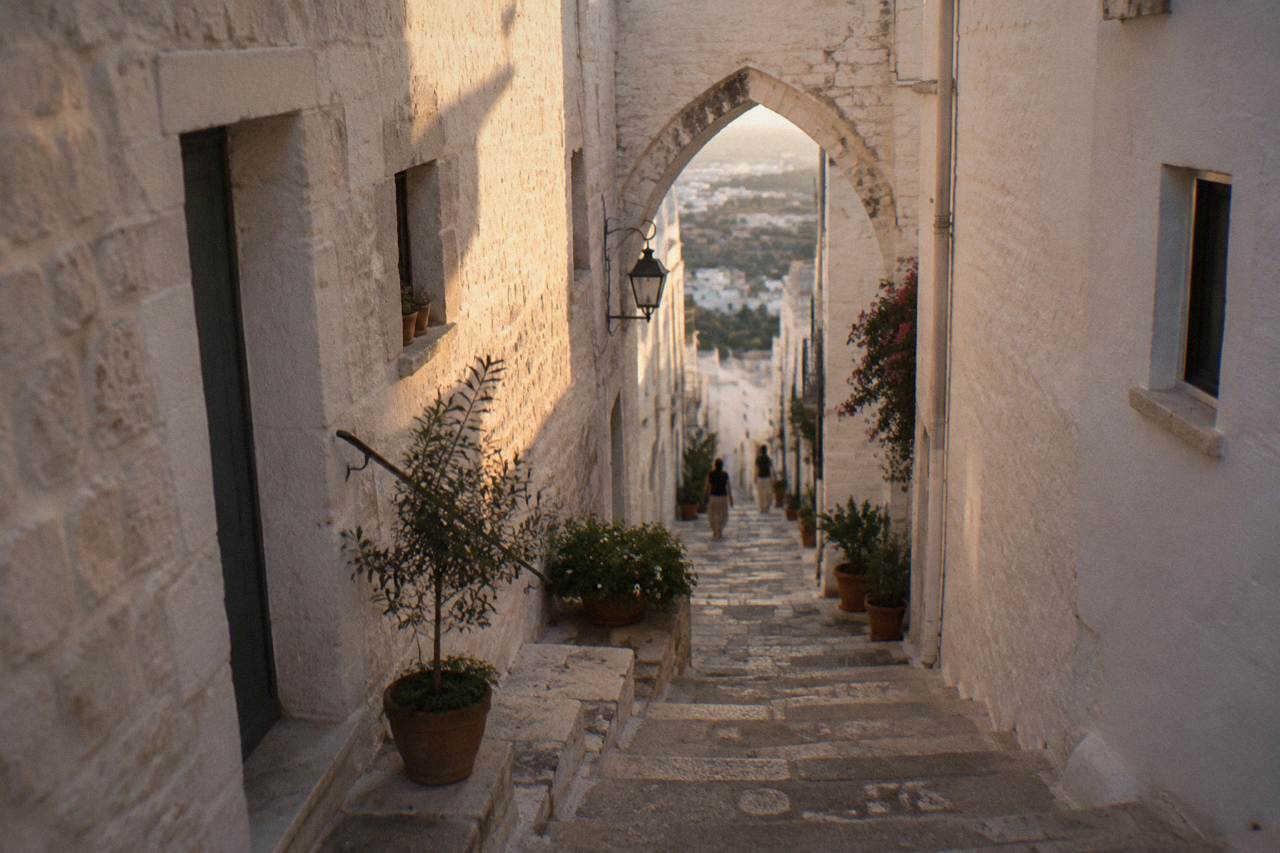
Neither region is objectively nicer: Puglia suits a trip built around one base, short train rides and a compact set of towns, while Sicily suits a slower, multi-stop itinerary around a far larger and more varied island. Puglia's advantage is measurable: from Bari, Polignano a Mare is 33 km by rail and Lecce 150 km, so a week of day trips works without changing hotels. Sicily's sights are spread across an island roughly the size of a small country, so it asks for at least a week of driving.
That distinction drives everything else. Bari Vecchia, the old town on the headland, holds the Basilica di San Nicola, the Cattedrale di San Sabino and the Castello Normanno-Svevo within a few minutes' walk of each other, and the Murat district and the Lungomare Nazario Sauro sit just outside it. A visitor can see the city's core in a day and still be back for dinner on the seafront. Sicily offers a different scale of reward: Palermo's markets, the temples at Agrigento, Etna and the baroque towns of the south-east each justify a stay of their own, and squeezing them into a single base produces long drives.
The comparison also has to be honest about what each region is not. Bari is not on the Amalfi Coast, a common confusion this site deals with separately, and it is certainly not in Sicily. Puglia and Sicily both sit in the Italian south, both use the euro, both are part of the Schengen area, and both are served by the emergency number 112. The differences are in geography, density and pace, not in fundamentals. If you are weighing a first trip, the pages on whether Bari is worth visiting and how many days in Bari is enough cover the Puglia side of that decision in detail.
How Do Puglia And Sicily Compare On Sights And Day Trips?
Puglia's sights cluster tightly around Bari, while Sicily's spread across the whole island. From Piazza Mercantile, Polignano a Mare is about 37 km by road, Monopoli 47 km, Alberobello 57 km, Castel del Monte 62 km, Matera 71 km and Lecce 151 km, all under two hours each way. Sicily has no equivalent single base: its headline sights sit hours apart, which is why Sicily itineraries normally move hotels two or three times.
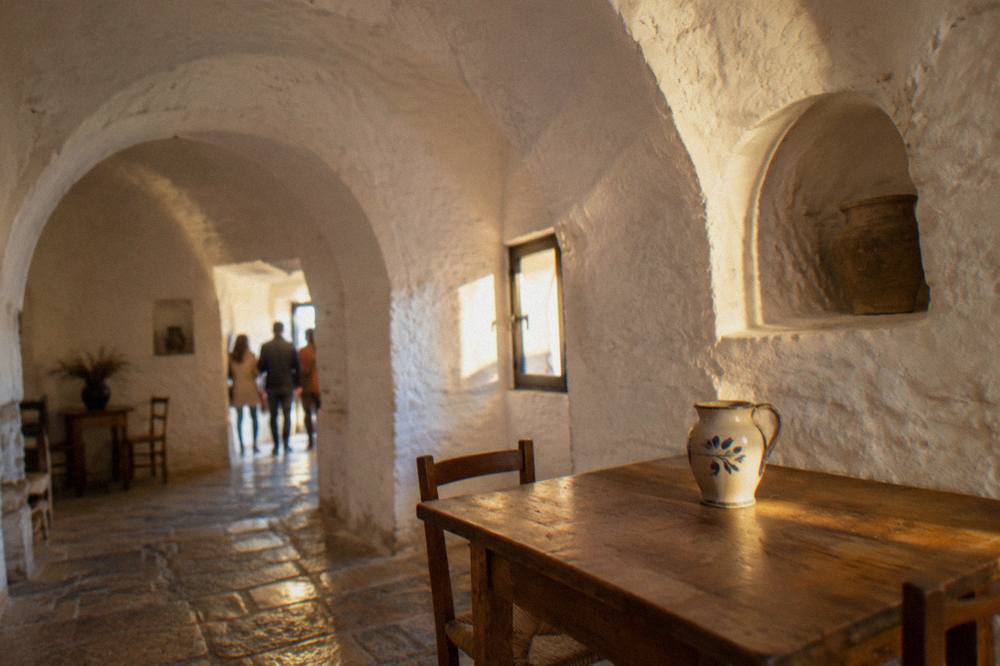
The day-trip set from Bari is unusually dense. The Trenitalia Bari-Lecce regional line serves Polignano a Mare at 33 km, Monopoli at 41 km, Ostuni at 75 km and Lecce at 150 km, and the Trulli Link service connects the rail network to Locorotondo, Alberobello and Martina Franca in the Valle d'Itria. FAL trains run the Bari to Altamura, Gravina and Matera line, crossing into Basilicata to reach the Sassi. The Grotte di Castellana cave system, the full route of 3 km taking about 100 minutes, costs 25 EUR for ages 15 and over. Castel del Monte, the octagonal UNESCO-listed castle inscribed in 1996, costs 10 EUR full and 2 EUR reduced, open daily 10:00 to 18:45 from April to September and 09:00 to 17:45 from October to March. Alberobello's trulli districts and the Sassi di Matera are both UNESCO World Heritage sites.
The Basilica di San Nicola is open Monday to Saturday 06:30 to 20:30 and Sunday 06:30 to 22:00 with no admission fee mentioned on its page. A good shortlist of Puglia options is in good day trips from Bari.
The Castel del Monte pick above departs from Andria, the town nearest the castle, not from Bari itself, so plan that day around the transfer. The other two depart from Bari.
Which Region Is Easier To Reach And Travel Around?
Puglia is easier to travel around without a car, because Bari is a genuine rail hub: the airport train covers the 12 km to the city in 17 minutes for 5.30 EUR, and regional trains fan out to the coast, the Valle d'Itria and Basilicata. Sicily realistically asks for a hire car or a sequence of intercity trains between Palermo, Catania and the south-east, which adds hours that Puglia day trips do not have.
Bari's Karol Wojtyla airport at Palese sits 12.0 km from Piazza Mercantile, about 21 minutes by road. The Ferrotramviaria station is inside the terminal, the single fare is 5.30 EUR in the 2026 tariff and a contactless card can be tapped at the gate. The Tempesta shuttle coach costs 5 EUR, and a taxi to a city-centre hotel is a predetermined 25 EUR. City buses cost 1.00 EUR for a single ride, 1.20 EUR for 90 minutes or 2.50 EUR for a day ticket, per the AMTAB fares page. One warning that matters if you drive: Bari Vecchia is a limited traffic zone with a camera gate at the Castello, active since 1 July 2026, so do not drive into the old town. Perimeter parking is paid on working days 08:30 to 20:30.
How Does The Weather Compare Between Puglia And Sicily?
Bari's climate, typical values from modelled ERA5 data, 1991 to 2020, runs from January highs of 12.1 C to August highs of 29.1 C, with about 587 mm of rain a year, November at 73 mm and August at 20 mm.
The useful planning detail is the rain rhythm rather than the averages. Bari records about 4 rain days with at least 1 mm in July and August, rising to 9.5 in January and 9.6 in December, which makes late spring and early autumn the comfortable middle. The modelled sea temperature reaches about 27 C in July and August and about 22 C in October, so the swimming season runs late on this coast. August combines the year's highest mean daily high, 29.1 C, with its lowest monthly rainfall, 20 mm, which is exactly why it is both the warmest and the busiest month on the Adriatic side. For timing a Puglia trip, the page on the best month to visit Bari breaks this down month by month.
| Month | Bari High C | Bari Low C | Bari Rain mm |
|---|---|---|---|
| January | 12.1 | 7.3 | 60.0 |
| April | 17.5 | 11.2 | 54.0 |
| July | 28.6 | 22.0 | 22.0 |
| August | 29.1 | 22.4 | 20.0 |
| October | 21.1 | 15.6 | 63.0 |
| November | 16.9 | 12.0 | 73.0 |
Sicily, in words only, sits at a latitude closer to North Africa than to the Alps, and its summer heat and spring temperatures run above Bari's; anyone sensitive to heat should treat July and August in Sicily as a different proposition from the same months in Puglia, and check the official Sicilian weather sources when planning. The full index of guides sits on Bari Italy Travel Guide.
What About Food, Costs And Practicalities?
Both regions share the same currency, the euro, and the same tax logic, but the food identities differ sharply: Puglia's table is built on orecchiette, focaccia barese, panzerotti and raw seafood, while Sicily's runs to citrus, pistachio, cannoli and fish dishes of its own. Bari's tourist tax runs 1.50 to 4.00 EUR per person per night by category, maximum 4 nights; Sicilian towns set their own rates, so ask the host what applies there.
Bari's food reputation is street-level. Orecchiette is the pasta shape of Puglia, panzerotti are fried filled pockets, focaccia barese is the local flatbread topped with tomato, and raw seafood, sea urchins among them, is served at the fish market end of the old port. The dishes can each be described in a sentence; the tasting is the point, and a guided food walk or a cooking class is the structured way to do it. Sicily's cuisine answers with its own classics, and the choice between them is a matter of taste rather than a ranking.
| Site | Full Ticket | Reduced | Hours Basis |
|---|---|---|---|
| Castello Normanno-Svevo, Bari | 10 EUR | 2 EUR | Tuesday to Sunday 09:00 to 19:00 |
| Castel del Monte | 10 EUR | 2 EUR | Daily, seasonal hours |
| Grotte di Castellana, full route | 25 EUR | 22 EUR (ages 6 to 14) | Daily, guided routes |
| Pinacoteca Metropolitana Corrado Giaquinto | 5 EUR | 2 EUR | Tuesday to Sunday |
| Teatro Petruzzelli guided tour | 7 EUR | 2 EUR | Dated slots monthly |
| Puglia Musei Card | 20 EUR | all regional state sites | Valid 6 months |
A practical note on the Puglia card: at 20 EUR it covers every Direzione regionale Musei Puglia site, including the Swabian castle in Bari and Castel del Monte, for six months, which matters if your Puglia week includes several state museums.
So Which Should You Choose For Your Trip?
Choose Puglia if you want one base, walkable towns, short train rides and a coast you can swim in from a city; choose Sicily if you have ten days or more, want volcanic and classical sights on a larger canvas, and accept moving hotels. Puglia's compactness is measurable: 151 km separates Bari from Lecce, the far edge of the useful day-trip range, while Sicily's equivalents are intercity journeys.
A reasonable Puglia plan runs four to five nights in Bari with day trips to Polignano a Mare, Monopoli, Alberobello and Matera, plus a longer stop in Lecce or the Valle d'Itria if the week stretches. The Trulli Link service and the Bari-Lecce regional line carry the whole itinerary without a car. Sicily, in contrast, rewards a route such as Palermo, Agrigento and the south-east, each with its own nights. A visitor flying into Bari can also mix: the ferry port links Bari to Durres daily year-round on an about 8-hour crossing, and Greece-bound routes call at Corfu, Igoumenitsa and Patras per Superfast's 2026 brochure, though the Dubrovnik line was reported interrupted in autumn 2026 and must be confirmed before planning. For the Bari core of such a trip, the things to do in Bari roundup is the fuller list, and what Bari is famous for covers the city's identity in depth.
The street food walk in that band is the quickest structured introduction to Bari Vecchia's food streets, and the history walk below it is the deepest single introduction to the old town.
Common Questions About Puglia Or Sicily
What is nicer, Puglia or Sicily?
Neither is nicer outright. Puglia is more compact and easier from one base, with Bari as a rail hub for towns 33 to 151 km away, while Sicily is larger, more varied and better suited to a multi-stop trip of ten days or more.
Is Puglia cheaper than Sicily?
Both use the euro and costs are broadly similar in the Italian south.
Can you visit Sicily from Bari?
Sicily is not a day trip from Bari. It is reached by a flight or by a long rail journey with a ferry crossing, so treat it as a separate trip or the second half of a long holiday.
Is Puglia easier without a car than Sicily?
Yes, in practical terms. Bari's regional trains and the Trulli Link service reach Polignano a Mare, Monopoli, Ostuni, Lecce, Alberobello, Locorotondo and Martina Franca, and FAL trains run toward Matera, so a car-free Puglia week is realistic.
Which has better beaches, Puglia or Sicily?
Both have long sandy and rocky coasts. On the Puglia side, Puglia's bathing waters rated 99.9 percent excellent for the sixth year running, per ARPA Puglia; Bari's own city beaches include Pane e Pomodoro and Torre Quetta.
Is Matera in Puglia or Sicily?
Neither: Matera is in Basilicata, the region west of Puglia. It is about 71 km and 69 minutes by road from Piazza Mercantile in Bari, which makes it a Puglia-based day trip that crosses a regional border.
In the end the question dissolves into itinerary length. A week or less, one hotel, trains and swim stops: Puglia from Bari. Two weeks, a hire car and a wish list that spans Greek temples and a volcano: Sicily. Both are the Italian south at its plainest and best, and the Puglia half of the decision can be made from a single well-placed base in Bari.