Parking And Driving In Bari: ZTL Zones, Garages And Tips
Bari is a coastal city on the Adriatic and the capital of Puglia, and it rewards visitors who leave the car at the edge of the old town rather than driving into it.
Short answer
You do not need a car inside Bari. Bari Vecchia has been a limited traffic zone with a camera gate at the Castello since 1 July 2026, and the train from Karol Wojtyla airport reaches Bari Centrale in 17 minutes for 5.30 euro. A car pays off only for multi-stop day trips.
Bari, the capital of the Puglia region on the Adriatic coast of southern Italy, is a city where the car question answers itself quickly: the sights cluster in Bari Vecchia on the headland and in the Murat grid beside it, the station and the airport are linked by a 17-minute train, and the old town is now watched by a camera gate. Driving here is not difficult, but parking and the limited traffic zone decide whether the visit is calm or expensive. This page sets out what the municipal pages and operator tariffs actually say, where to leave a car, and when the wheel is better left behind for a day of exploring without it.
Do You Need A Car To Visit Bari?
No, a car adds nothing inside Bari itself. The Basilica di San Nicola, the Cattedrale di San Sabino, the Swabian castle, Piazza Mercantile and Piazza del Ferrarese all sit inside Bari Vecchia, which is closed to ordinary traffic, and the Murat shopping grid around Via Sparano is a short walk from those squares. The Ferrotramviaria train covers the airport run in 17 minutes for a 5.30 euro single, and AMTAB city buses cost 1.00 euro a ride, so wheels are only worth renting for out-of-town loops.
That is the short version. The longer one is that Bari's geography does the work for you. The old town is a headland, pinned between the old port at Molo San Nicola and the modern harbour, and its lanes were laid out long before the car. The Murat district south of it is a tidy grid of streets where the blocks are short and the walk from Bari Centrale to Piazza Mercantile passes through shopping streets rather than industrial sprawl. A visitor who lands at Karol Wojtyla airport, takes the train to Bari Centrale and walks can spend several days, on the pattern described in how many days in Bari is enough, without ever holding a key fob.
Where the car earns its keep is the region. Polignano a Mare, Monopoli, Alberobello, Locorotondo, Ostuni, Castel del Monte, Trani, the Grotte di Castellana and Matera, across the regional border in Basilicata, are all realistic day trips from Bari, and several of them sit on rail lines that make even the driving optional. If your base is Bari and your ambition is a different hill town every morning, a rental car gives you the flexibility no timetable matches. If your base is Bari and your ambition is Bari, the car is a cost and a liability.
The decision also depends on where you sleep. The guide to where to stay in Bari covers the trade-offs between Bari Vecchia, the Murat district and the seaside streets along the Lungomare Nazario Sauro, and the practical rule for drivers is simple: pick accommodation you can reach without entering the old town, because hotels inside Bari Vecchia are reached on foot with luggage, not by car at the front door.
How Does The ZTL In Bari Vecchia Work Since 1 July 2026?
Bari Vecchia is a limited traffic zone, and from 1 July 2026 it has a camera gate at the Castello, at the corner of piazza Federico II di Svevia and piazza Massari, with plate-reading enforcement. Weekday entry windows for authorised vehicles run 09:00 to 11:00, and an afternoon window of 16:00 to 18:00 has been reported. Perimeter parking near the gate is paid on working days from 08:30 to 20:30. The short advice: do not drive into Bari Vecchia at all.
The comune of Bari introduced these changes to the ZTL with effect from 1 July 2026, activating the Castello gate and converting piazzale Mincuzzi into a residents' parking area. The camera system reads number plates as cars pass the gate, which means a mistake is recorded automatically rather than flagged by an officer on the spot. For a visitor in a rental car this is the single most important fact on this page: the gate does not distinguish between a local resident and a tourist who followed a navigation app down the wrong street, and the rental company will receive the plate record, not the driver.
| ZTL element | What applies | Source basis |
|---|---|---|
| Camera gate location | piazza Federico II di Svevia at piazza Massari, by the Castello | comune di Bari notice, in force from 1 July 2026 |
| Weekday morning window for authorised vehicles | 09:00 to 11:00 | comune di Bari notice |
| Afternoon window for authorised vehicles | 16:00 to 18:00 | reported, confirm before you go |
| Perimeter parking payment hours | working days 08:30 to 20:30 | comune di Bari notice |
| Piazzale Mincuzzi | resident and pass-holder parking | comune di Bari notice |
Two practical consequences follow. First, the perimeter streets around Bari Vecchia are where a driver parks, not the lanes inside it: the paid kerbside spaces on the working-day hours above are the ones within walking distance of the walls, and their tariffs are posted at the meter, so check the current price on the machine before leaving the car. Second, anyone staying inside the old town should arrange arrival with the accommodation in advance, because the walk from the perimeter to a doorway in the lanes can be several hundred metres with bags.
For drivers arriving from the south or planning coastal loops, the same discipline applies in reverse: Bari is a hub you return the car to, not a place you drive within. The rest of this page covers parking strategy, the airport run and the day-trip roads, with the figures the operators themselves publish.
Where Should You Park When Visiting Bari?
Park outside Bari Vecchia and walk in. The paid perimeter spaces around the old town apply on working days from 08:30 to 20:30, and the paid areas around the Murat district sit within a short walk of Piazza Mercantile. No municipal parking tariff figure is available from the official pages, so the price at the meter or garage entrance is the one that counts, and arriving outside working-day payment hours can save a full day's fee.
The honest picture is that Bari does not publish a single tidy tariff table for its parking, and this page will not invent one. What the municipal pages do establish is the structure: a limited traffic zone with camera enforcement at the heart of the old town, paid kerbside hours on working days for the perimeter, and private garages as the covered alternative, priced at their own entrances. Blue lines mark paid kerbside spaces across Italy, and Bari follows the national convention; the hours posted on the sign at the space always override anything a guide, including this one, can tell you in general terms.
Strategy beats luck here. A car parked on the Murat side, south of the old town, puts you on flat ground between Bari Centrale and Bari Vecchia, with the shopping streets of Via Sparano on the walk in. A car parked toward the eastern perimeter near the port puts you closer to Piazza del Ferrarese and the seafront end of the old town. Both approaches avoid the ZTL gate entirely, which is the point: the goal is to make the camera gate irrelevant to your day.
Visitors who plan to keep the car only for day trips should also consider where the car sleeps at night. A garage booked with, or near, the accommodation solves the question the way hotel arrangements solve it everywhere in southern Italy, and the guide to hotels in Bari is the place to check what each area offers before committing to a rental at all.
Is Driving In Bari Itself Difficult?
Driving in Bari is ordinary Italian city driving: a one-way grid in the Murat district, tight lanes at the edge of Bari Vecchia that you should not enter, and busy arteries along the seafront. The one rule that matters more than any other is not to drive into Bari Vecchia, whose camera gate at the Castello has controlled entry since 1 July 2026. Everything else is patience, and the city bus at 1.00 euro a ride is often faster door to door.
The Murat district is the easiest part to drive: a regular grid of straight streets, with the main station on its eastern edge and the port to the north. The complications are at the margins. A navigation app is more reliable than memory for the final approach to the station. Service changes during works are posted by the operator, and the same applies to bus stop locations, which shift as the project advances.
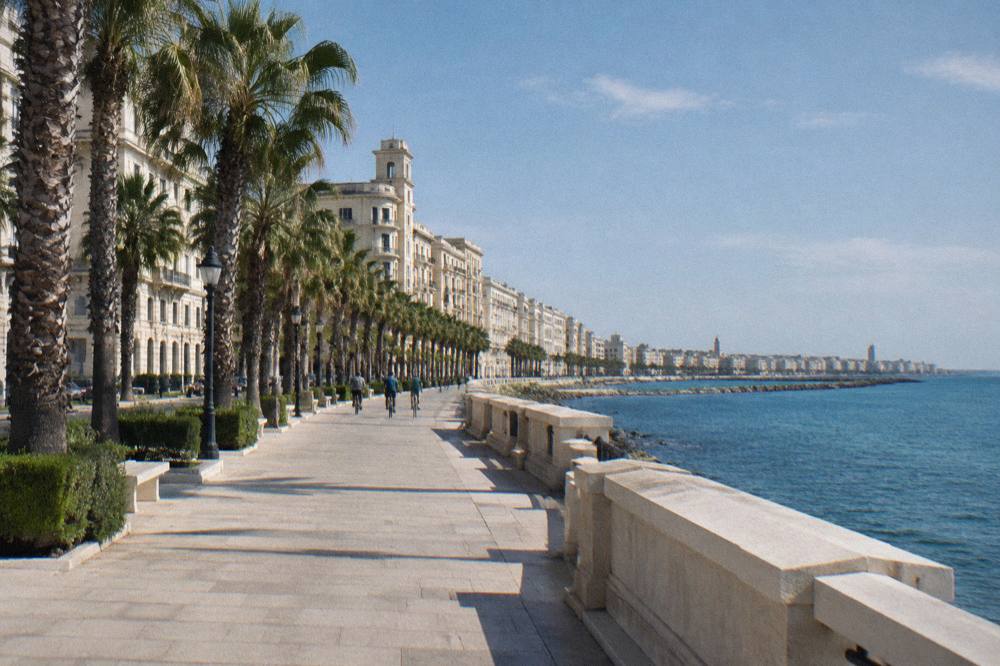
The seafront roads along the Lungomare Nazario Sauro are the pleasant ones, running past the Teatro Margherita toward the city beaches at Pane e Pomodoro and Torre Quetta in Japigia. They are also the roads where road-surface and stop-location works have been under way for the new rapid-transit corridor, so allow a few extra minutes and expect cones in places. None of this is hostile; it is simply a city mid-renovation, and the visitor who parks once and walks or rides buses afterwards barely notices it.
For anyone weighing the car against alternatives for the city itself, the guide to getting around Bari covers the buses, the suburban trains and the airport link in one place. The fare table below is the short version of the bus economics.
| AMTAB ticket | Price | Validity |
|---|---|---|
| Single ticket | 1.00 EUR | one ride |
| 90-minute ticket | 1.20 EUR | 90 minutes from validation |
| Day ticket | 2.50 EUR | until end of service |
A day ticket at 2.50 euro covers every bus board for a day. The arithmetic usually settles the argument.
How Do You Drive From Bari Airport Into The City?
Karol Wojtyla airport (BRI) sits at Palese, 12.0 km and about 21 minutes by road from Piazza Mercantile in free-flow traffic. A taxi to a city-centre hotel is a predetermined 25 euro fare, set by the municipal regulation, and a driver who charged 50 euro for the run had his licence suspended for 15 days. The Ferrotramviaria train does the same run in 17 minutes for 5.30 euro, with the station inside the terminal.
The taxi is a fixed price, not a meter guess, and the 25 euro figure applies to the run between the airport and a city-centre hotel. The train station is inside the terminal building, the single costs 5.30 euro from the 2026 tariff, and a contactless payment card can simply be tapped at the gate under the operator's Paga e Via scheme. The Tempesta shuttle coach is a third option at 5 euro bought on board or in the Cotrap app, taking about 30 minutes, and AMTAB city bus line 16 also links the station and the airport. If a hire car is already booked, the drive in is short, and the table below compares the four public options. Everything else covered here is indexed on Bari Italy Travel Guide.
| Airport transfer | Cost | Journey time | Notes |
|---|---|---|---|
| Ferrotramviaria train | 5.30 EUR single | 17 minutes | station inside the terminal; contactless accepted |
| Tempesta shuttle coach | 5 EUR | about 30 minutes | reported; buy on board or in the Cotrap app |
| AMTAB bus line 16 | standard city ticket | by route | links Bari Centrale and the airport |
| Taxi to a city-centre hotel | 25 EUR fixed | about 21 minutes by road | predetermined municipal fare |
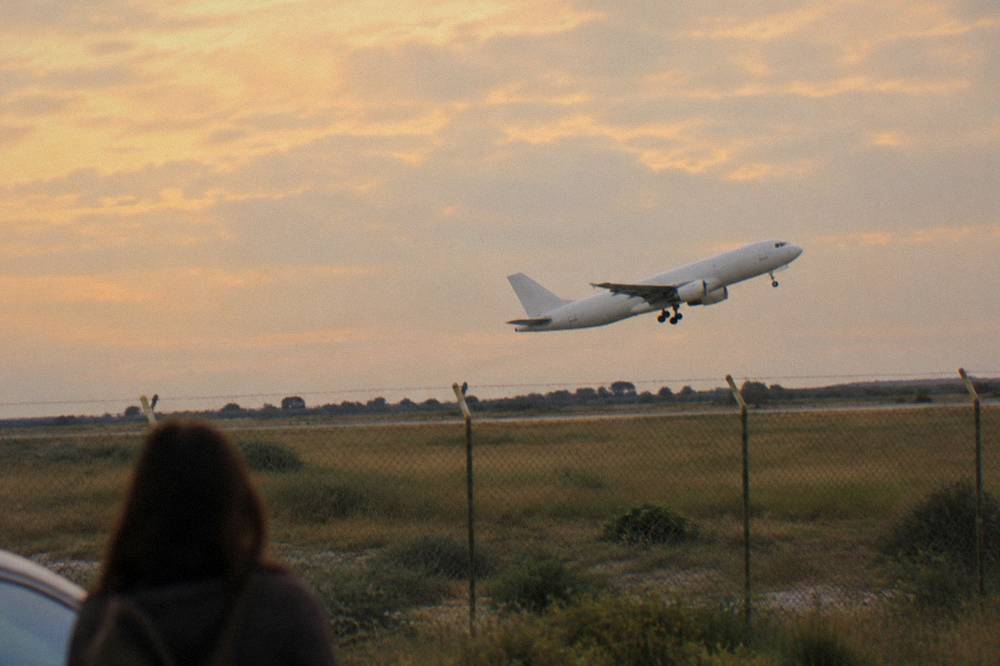
Drivers collecting a car at the airport should note that the access roads around the terminal have been under rearrangement since late 2025, so follow the airport's own signage for the exit toward Bari rather than a memorised route. The full picture of rental desks, documents and drop-off logistics is in the guide to Bari airport car rental, and the general arrival options are covered at Bari airport and Bari airport to the city centre.
One habit worth adopting from the start: enter the destination as a point outside Bari Vecchia, not an address inside it. A garage or a kerbside space on the Murat side of the old town makes the last hundred metres a walk instead of a camera-gate incident.
Which Day Trips From Bari Are Best Done By Car?
The car wins on loops that combine towns no single rail line serves, above all Castel del Monte at 62 km, the Grotte di Castellana at 43 km, Matera at about 71 km across the regional border in Basilicata, and combinations like Alberobello plus Locorotondo plus Martina Franca. The train wins for Polignano a Mare at 33 km on the Bari-Lecce line, Monopoli at 41 km and Lecce at 150 km, where the railway runs along the coast and parking in the old towns is scarce.
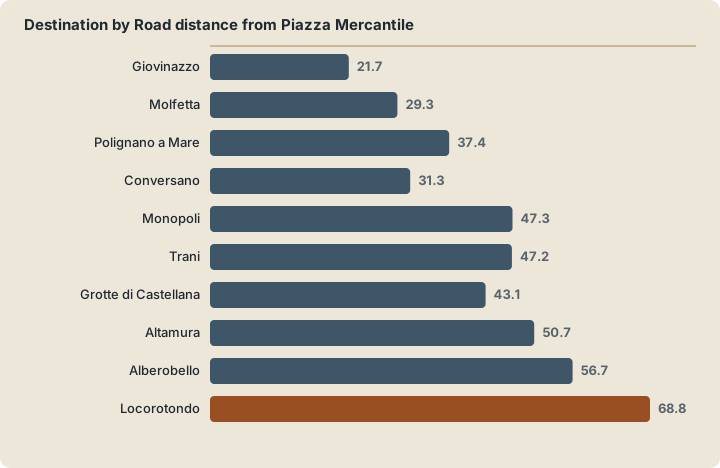
The road distances below are computed free-flow drives from Piazza Mercantile, and they show the shape of the region: a band of coastal towns on the rail line to the south-east, an inland cluster in the Valle d'Itria, and two stand-alone destinations, Matera and Castel del Monte, that reward a car or a seat on an organised trip.
| Destination | Road distance from Piazza Mercantile | Free-flow drive time |
|---|---|---|
| Giovinazzo | 21.7 km | about 23 minutes |
| Molfetta | 29.3 km | about 29 minutes |
| Polignano a Mare | 37.4 km | about 36 minutes |
| Conversano | 31.3 km | about 36 minutes |
| Monopoli | 47.3 km | about 43 minutes |
| Trani | 47.2 km | about 45 minutes |
| Grotte di Castellana | 43.1 km | about 47 minutes |
| Altamura | 50.7 km | about 50 minutes |
| Alberobello | 56.7 km | about 61 minutes |
| Locorotondo | 68.8 km | about 58 minutes |
| Castel del Monte | 62.0 km | about 59 minutes |
| Ostuni | 85.3 km | about 73 minutes |
| Matera (Sassi) | 70.8 km | about 69 minutes |
| Lecce | 151.1 km | about 115 minutes |
Two corrections to common assumptions sit inside that table. Matera is in Basilicata, not Puglia, so the drive crosses a regional border even though it takes little more than an hour; the guide to Bari to Matera covers the options. And Lecce, at about 151 km, is far enough that a day trip means either an early start or an overnight, a point the Bari to Lecce guide develops.
For the rail-served coast, leave the car parked. Trenitalia regional trains on the Bari-Lecce line serve Polignano a Mare at 33 km, Monopoli at 41 km, Ostuni at 75 km and Lecce at 150 km, with Polignano typically 25 to 35 minutes from Bari Centrale, and the operator's own timetable gives the current times and fares. The intermodal Trulli Link service connects the rail network with FSE buses to Locorotondo, Alberobello and Martina Franca in the Valle d'Itria, with the FSE leg reported at 5.90 euro on top of the rail fare. For point-to-point trips like these, the timetable beats the steering wheel, and the guides to Bari to Polignano a Mare cover the details.
When Is A Tour Better Than Driving Yourself?
A tour beats the wheel when the day chains towns together on a tight schedule, when you would rather not drive after dark on unfamiliar provincial roads, or when parking at the destination is the hard part. Alberobello with Matera in one day, or three Valle d'Itria towns plus a coast stop, involves exactly the kind of parking-and-departure arithmetic that an organised trip removes, while the train handles the single-destination days on its own.
The economics of a Puglia day trip by car look fine until you count the stops: a parking search in Alberobello near the trulli districts, another in Matera near the Sassi, and a driver who watches the clock instead of the view. Boat trips add a different twist, because the cave boats of the Polignano coast leave from Polignano a Mare or San Vito, not from Bari, so a driver has to park in Polignano anyway before boarding. Some days the driving is the trip; on others it is simply the queue at either end.
The practical split is this. Single coastal destinations such as Polignano a Mare and Monopoli: train, timetable, done. Multi-town inland loops such as Alberobello, Locorotondo and Martina Franca, or the long crossing to Matera: a rental car with an early start, or an organised day trip where someone else owns the schedule and the parking. The listing for each product states where it departs from, and the day-trip pages on this site flag the departure point for every tour, so the origin is never a surprise at the meeting point.
What Should Every Driver Know Before Arriving In Bari?
Five things carry most of the weight: Bari Vecchia is a camera-enforced ZTL, the airport taxi is a fixed 25 euro, the airport train is 5.30 euro and 17 minutes, it is worth confirming practical details with your host before arrival, and the emergency number throughout Italy is 112. Parking prices are set at the meter and the garage entrance, not in any guide.
A few closing habits keep a driving trip to Bari trouble-free. Plan the parking before the destination: decide on a Murat-side garage or perimeter space and navigate there, not to a doorway inside the walls. Keep the rental agreement and the hotel address to hand, because the accommodation is the first call for any access question about its own street. And when a figure is needed on the spot, whether a kerbside tariff or a garage day rate, the posted price at the machine is the only one that counts; check the current price on the official ticket page or meter before booking or leaving the car.
The last word goes to the shape of the visit rather than the car. Bari rewards days spent on foot between the basilica, the Swabian castle and the seafront, with the vehicle doing its work in the gaps: out to the trulli, over the border to Matera, down the coast rail line to Polignano. The car is a tool for the region, and the city belongs to those who park it early. The authorless reporting on this site, from the airport tariff to the ZTL gate, exists so the driving decisions are made with the real figures in front of you.
Common Questions About Parking And Driving In Bari
Can you drive into Bari Vecchia?
No. Bari Vecchia is a limited traffic zone with a camera gate at the Castello, at the corner of piazza Federico II di Svevia and piazza Massari, in force since 1 July 2026. Entry windows on weekdays, 09:00 to 11:00 and a reported afternoon window of 16:00 to 18:00, apply to authorised vehicles only. Do not drive into Bari Vecchia in a rental car.
Where do you park when visiting the old town of Bari?
Use the paid perimeter spaces around Bari Vecchia, charged on working days from 08:30 to 20:30, or a garage on the Murat side of the old town. Tariffs are posted at the meter or garage entrance, so check the current price on the machine before leaving the car.
How much is a taxi from Bari airport to the city centre?
The taxi between Karol Wojtyla airport and a city-centre hotel is a predetermined 25 euro fare under the municipal regulation. The Ferrotramviaria train is the alternative at 5.30 euro single, taking 17 minutes from the station inside the terminal.
Do you need a car to visit Bari?
No. The central sights sit in and around Bari Vecchia and the Murat district, AMTAB buses cost 1.00 euro a ride with a 2.50 euro day ticket, and the day-trip towns on the Bari-Lecce rail line, including Polignano a Mare and Monopoli, are reached by train. A car pays off for inland loops such as Alberobello, Castel del Monte and Matera.
Is parking in Bari free on Sundays?
The perimeter parking around Bari Vecchia is charged on working days from 08:30 to 20:30, which implies free kerbside parking outside those hours, but the sign at each space governs. Confirm the posted hours at the meter, and expect private garages to charge their own rates every day.
Is Matera a day trip from Bari by car?
Yes, about 71 km and roughly 69 minutes by road from Piazza Mercantile in free-flow traffic, across the regional border into Basilicata. The FAL railway also reaches Matera from Bari; check the operator's timetable for current services before planning.