Where Not To Stay In Bari, Italy?
A calm, evidence-based answer to where not to stay in Bari, Puglia: which districts fit which traveller, what the ZTL and tourist tax rules mean for your choice, and when the coast beats the city.
Bari, the capital of Puglia on the Adriatic coast of southern Italy, is a compact city of about 316,000 residents, and the question of where not to stay has a calmer answer than the search results suggest. What the sources do give you is a set of practical filters: a camera-enforced limited traffic zone around Bari Vecchia, a tourist tax that changes with the category of your accommodation, a railway geography that rewards staying near Bari Centrale if you plan day trips, and a coastal day-trip ring that starts at Polignano a Mare, 37.4 km away by road. This page applies those filters, district by district, so you can rule out the wrong bed rather than the wrong city. The Bari Italy Travel Guide covers each area in depth elsewhere.
Where Not To Stay In Bari, Italy?
No district of Bari is officially flagged as a no-stay zone, so "where not to stay" is really a question of fit rather than danger, and the honest answer is that the wrong bed in Bari is the one that fights your plans. If you arrive by car, the wrong base is anywhere inside Bari Vecchia, where a camera gate at the Castello has policed entry since 1 July 2026. If you plan five day trips, the wrong base is a coastal suburb an hour from Bari Centrale. If you sleep lightly, the wrong bed faces the busiest lanes of the old town in early May, when the Festa di San Nicola runs from 7 to 9 May.
The security framing that sells this question on search pages does not survive contact with the sources. What you can verify is operational: the comune of Bari publishes the ZTL rules, the Musei Puglia ticket page publishes museum hours and prices, and the climate table gives you July mean daily highs of 28.6 C, which tells you an August booking without air conditioning is a bigger risk than a street name.
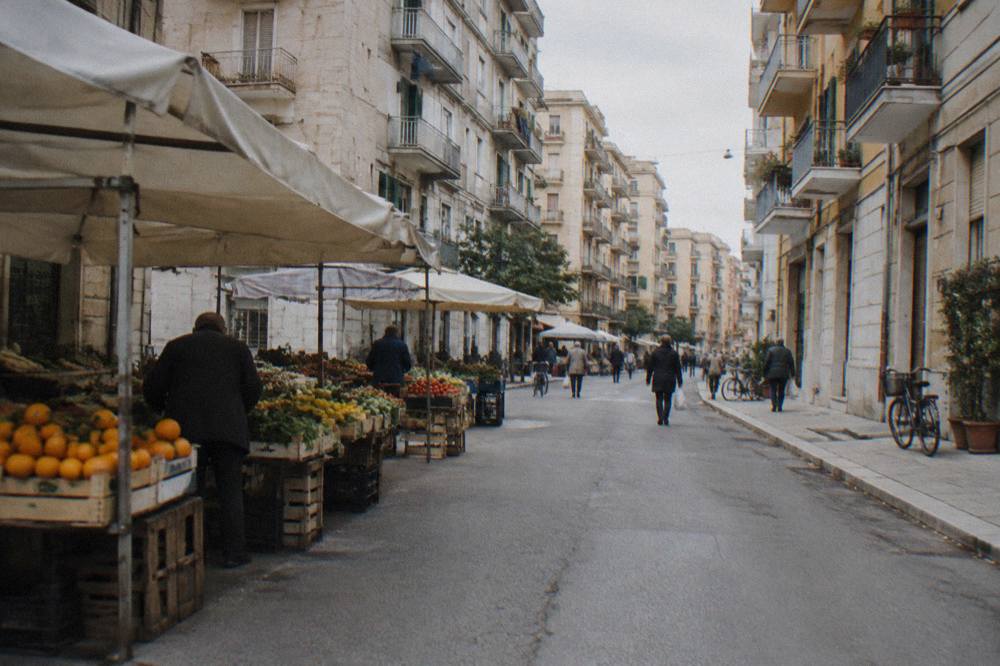
Start instead from what each district actually is. Bari Vecchia is the old town on the headland around the Basilica di San Nicola, the Cattedrale di San Sabino and the Swabian castle. Murat is the grid district of shopping streets around Via Sparano, between the old town and the station. Madonnella sits along the sea by the Lungomare Nazario Sauro, and Japigia stretches south-east toward the city beaches of Pane e Pomodoro and Torre Quetta. For a district-by-district comparison of the positives, see the guide to where to stay in Bari and which part of Bari is best to stay in.
Why A Car Rules Out Bari Vecchia Immediately?
If you are renting a car, Bari Vecchia is the one part of Bari where you should not book, because its limited traffic zone has been camera-enforced since 1 July 2026 and the rules are written for residents, not visitors. The comune activated a new gate at the Castello, at the corner of piazza Federico II di Svevia and piazza Massari, with weekday access windows of 09:00 to 11:00 for authorised vehicles doing loading and unloading, and a second afternoon window reported at 16:00 to 18:00. Perimeter parking near the old town is paid on working days from 08:30 to 20:30.
The practical translation is simple: park outside, sleep anywhere. A car and a bed inside the old town's gate do not mix for a tourist, and no permit price or fine amount needs to be quoted for that to be true, the rules themselves settle it. The Murat district and the streets around Bari Centrale take cars more easily, and from there the road distances from Piazza Mercantile, computed free-flow, are what govern your day trips.
| Day trip from Piazza Mercantile | Road distance | Free-flow time |
|---|---|---|
| Polignano a Mare | 37.4 km | about 36 minutes |
| Monopoli | 47.3 km | about 43 minutes |
| Alberobello | 56.7 km | about 61 minutes |
| Castel del Monte | 62.0 km | about 59 minutes |
| Matera (Sassi) | 70.8 km | about 69 minutes |
| Lecce | 151.1 km | about 115 minutes |
Note what the table quietly tells you: Matera, the Sassi town, is 70.8 km away and in Basilicata, not Puglia, and Lecce at 151.1 km is a long day out rather than a commute. A hotel far from Bari Centrale makes both worse, because the trains to the south-east, including the Trenitalia regional line to Lecce and the FSE network toward the Valle d'Itria, start at the city-centre stations. Service changes during works are posted by the operator, so check the timetable the week you travel.
Which Bari District Fits Which Traveller?
The districts each suit different travellers: Bari Vecchia fits walkers and food-lovers but not drivers, Murat fits shoppers and train commuters, Madonnella fits sea-view seekers, and Japigia fits beach-goers who accept a bus or a long walk into the old town. There is no wrong district on the map, only the wrong district for your itinerary, and the tourist tax is the same city-wide by category: 2.00 euro per person per night at a B&B or short let, 2.00 euro at a 3-star hotel, 3.00 euro at a 4-star, and 4.00 euro at a 5-star, for a maximum of 4 consecutive nights per calendar year.
A reader who books a short let inside Bari Vecchia for the atmosphere and then spends each morning retrieving a car from a perimeter spot has chosen badly. A reader who books Japigia for the beaches and then discovers that Pane e Pomodoro sits about 2.1 km from Piazza Mercantile, with Torre Quetta about 3.9 km, has chosen well, provided the plan was beaches. The city beaches have no Blue Flag in 2026; the province's Blue Flags are at Polignano a Mare and Monopoli, which is a reason to day-trip, not a reason to avoid Bari's sand.
| If your trip is about | The weaker fit | The stronger fit |
|---|---|---|
| Old-town streets, food, the basilica | Japigia, far from the headland | Bari Vecchia or Murat |
| Day trips by train every day | Japigia, away from the station | Murat, beside Bari Centrale |
| A rental car and coastal drives | Bari Vecchia, inside the ZTL gate | Murat or Madonnella, with parking |
| The sea on your doorstep | The inland grid of Murat | Madonnella, along the Lungomare Nazario Sauro |
One more filter that no search page applies: the calendar. The climate table, typical values from modelled ERA5 data, 1991 to 2020, gives August a mean daily high of 29.1 C and November 73 mm of rain against August's 20 mm, so a top-floor room in the old town in August and a beach-basing plan in November are both choices to rule out for comfort reasons alone.
What About Noise, Festivals And Sleeping Well In Bari?
Book away from the busy lanes of Bari Vecchia if you sleep lightly, because the old town's streets carry festival crowds and late evenings, and the fixed point in the calendar is the Festa di San Nicola, which runs 7 to 9 May each year, with the historical procession starting at 20:00 on 7 May from piazza Federico II di Svevia. The feast is the city's patronal highlight, not a reason to avoid Bari, but a room directly on the procession route is a room you booked for a party you may not have planned to attend.
The same logic applies to the Fiera del Levante, an event that fills the quarter around the fair site and its parking. None of this is a safety question, and no district carries any published verdict of that kind. It is calendar logistics: a quiet street in Murat or Madonnella during festival week, an old-town room the rest of the year.
Beyond the calendar, the standard city precautions are all any traveller needs: keep valuables out of back pockets, zip bags on crowded buses, check the posted prices and the itemised bill. An AMTAB bus ticket costs 1.00 euro for a single ride or 1.20 euro for 90 minutes, so there is no reason to carry more cash than that on a night out. For the broader question, see is Bari safe at night.
Where Not To Stay If You Arrive Late Or Leave Early?
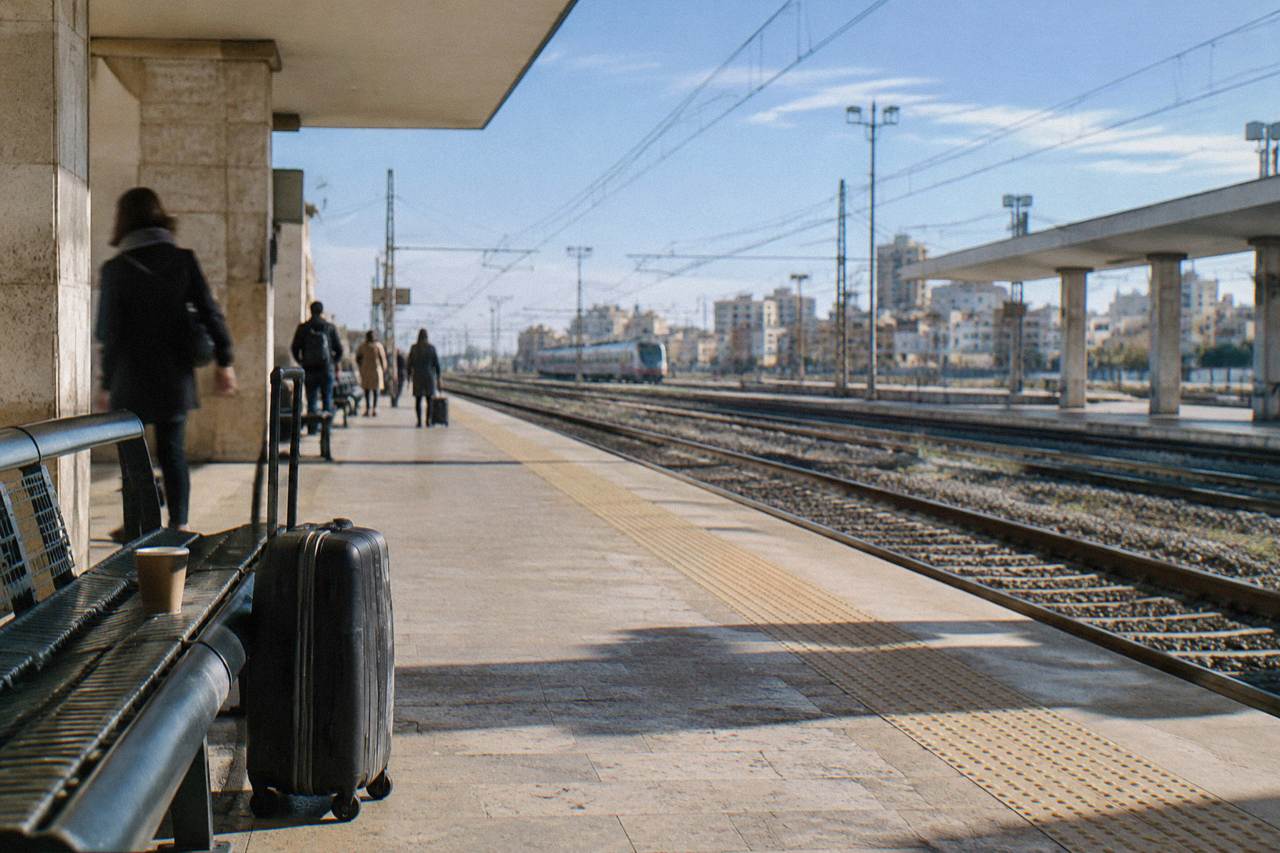
Early trains out are the same calculation. The day-trip network, Trenitalia toward Lecce, FSE toward the Valle d'Itria towns such as Alberobello and Locorotondo, and FAL toward Matera, radiates from stations in the centre. A reader with a 07:00 train and a bed a bus ride from Bari Centrale has manufactured a problem the city did not have. Alberobello, for the record, is 56.7 km away, and its trulli districts are a UNESCO World Heritage site worth the full day.
Should You Base In Bari At All, Or On The Coast?
Bari is the stronger base if your list is the region's, because every major day trip starts here, but the coast wins if your holiday is one town deep: Polignano a Mare and Monopoli hold the province's 2026 Blue Flags, and Bari itself does not, so a beach-first traveller should question a Bari booking before questioning the city. The choice is structural, not a verdict on Bari's neighbourhoods, and the decision table is short: trains radiate from Bari, beaches sit along the coast road, and no bed does both perfectly.
The regional comparison has its own pages: which town in Puglia is the best to stay in, where to base in Puglia and is it better to stay in Monopoli or Polignano cover the coastal case in full. What belongs here is the negative space: if your plan is Matera, Castel del Monte and Lecce, each at 59 to 115 minutes by road from the centre, a coastal base adds an hour of driving to every one of them.
And whichever bed you choose, walk the old town before you judge it. A guided visit is the quickest way to read Bari Vecchia's street life, and you can Check availability for the featured walking tour, whose page also carries the current price and rating from the operator's live listing.
Common Questions About Where To Stay In Bari
Where not to stay in Bari, Italy?
Drivers should not book inside Bari Vecchia's camera-enforced ZTL, train-heavy itineraries sit best beside Bari Centrale in Murat, and beach-first travellers do better on the coast at Polignano a Mare or Monopoli than in any Bari quarter. Check your own government's travel advice for general guidance.
Is Bari Vecchia a bad place to stay?
No, and nothing official says so. It is the wrong choice only for drivers, because the ZTL camera gate at the Castello has controlled entry since 1 July 2026, and for very light sleepers during the Festa di San Nicola, which runs 7 to 9 May each year.
What is the tourist tax in Bari?
The imposta di soggiorno runs 1.50 to 4.00 euro per person per night by accommodation category, for a maximum of 4 consecutive nights per calendar year, collected by the accommodation: 2.00 euro at a B&B or short let, 2.00 euro at a 3-star hotel, 3.00 euro at a 4-star, 4.00 euro at a 5-star.
Should I stay near Bari Centrale?
Yes if day trips drive your itinerary, because the Trenitalia, FSE and FAL networks radiate from the centre: Alberobello is 56.7 km away by road and Lecce 151.1 km, and the trains start at the central stations. Murat, between the station and the old town, balances the two.
Is it better to stay in Bari or on the coast?
Bari wins for multi-stop itineraries, since Polignano a Mare, Monopoli, Alberobello, Matera, Trani and Castel del Monte are all day trips from here. The coast wins for a beach holiday: Polignano a Mare and Monopoli hold 2026 Blue Flags and Bari's own city beaches do not.
Can I drive to my hotel in the old town?
Do not drive into Bari Vecchia. The ZTL gate at the Castello allows only authorised vehicles in weekday windows from 09:00 to 11:00, with an afternoon window reported at 16:00 to 18:00, and perimeter parking is paid on working days from 08:30 to 20:30. Park outside and walk in.
The short version: in Bari the wrong bed is defined by your own plans, a car, a flight time, a festival week or a beach obsession, and never by a district's name on a stranger's list.